
Navigating open water demands more than just a good chartplotter. Your eyes are your primary long-range sensors, and the right pair of marine binoculars dramatically extends their reach. Whether you’re identifying a distant navigation mark, scanning for other vessels, or simply enjoying coastal wildlife, clarity and reliability are non-negotiable. For a solid, budget-friendly entry point that nails the basics, many boaters start with the USCAMEL 10X50 Marine binoculars. They offer the classic 10×50 configuration prized for stability and light gathering.
But what truly defines a long-range marine binocular? It’s a specialized tool built to conquer the harsh marine environment. We’re talking about waterproof, fog-proof optics with high-quality prisms and coatings designed to deliver a bright, sharp image even in low light or challenging glare. This isn’t just about seeing far; it’s about seeing clearly and confidently when it matters most.
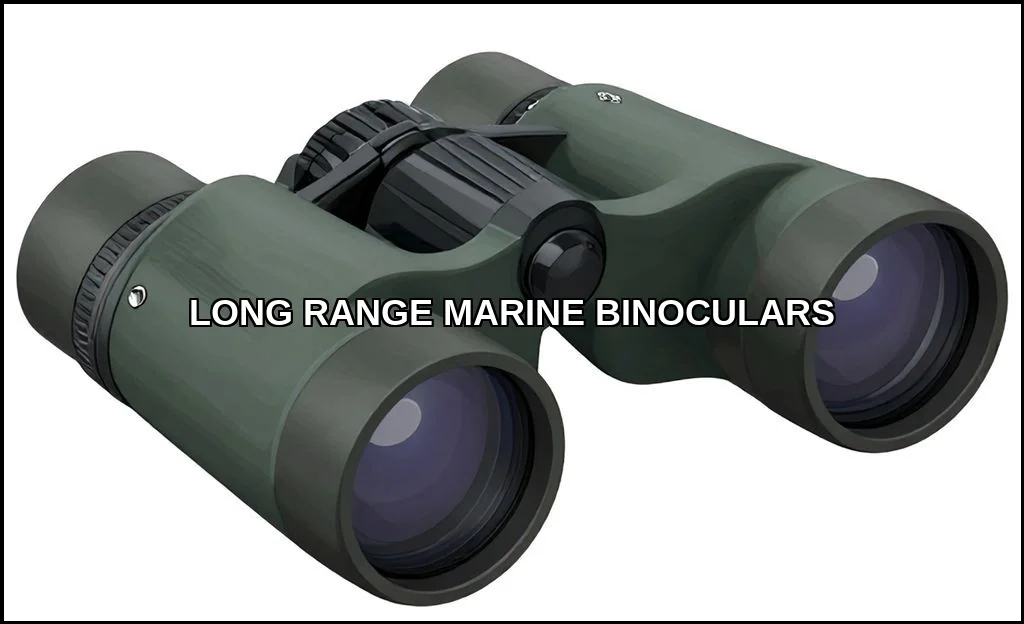
What Are Long Range Marine Binoculars?
At their core, long range marine binoculars are ruggedized optical instruments optimized for over-water use. They bridge the gap between your naked eye and electronic aids. While your radar might show a blip, binoculars let you identify it: is that a channel marker, a fishing boat with nets deployed, or a container ship on a steady bearing?
Key differentiators from standard binoculars include rigorous waterproofing (often submersible) and nitrogen purging to prevent internal fogging. Their optics are engineered to maximize contrast and reduce glare from the water’s surface. Think of them as an essential piece of safety gear, as critical as a good VHF radio. Following the official source for navigation rules emphasizes the need for “all available means” to determine risk of collisionand quality binoculars are a key part of that toolkit.
Core Specifications Decoded
You’ll see numbers like 7×50 or 10×42 on every model. Heres what they mean for you on the water.
- Magnification (the first number): A 10x binocular makes an object appear 10 times closer. Higher isn’t always better. For a moving boat, 7x or 10x offers a good balance between detail and a stable image. High magnification marine binoculars (12x and above) often require a tripod or image stabilization to be usable.
- Objective Lens Diameter (the second number): This is the size of the front lenses in millimeters. Larger lenses (like 50mm) gather more light, providing a brighter image at dawn, dusk, or in overcast conditionscritical for maritime use.
- Field of View: Measured in feet at 1,000 yards or degrees, this tells you how wide a scene you can see. A wider field of view makes it easier to scan the horizon and track moving objects.
Key Features to Look For
Beyond the basic numbers, these engineering features separate marine-grade optics from casual gear.
Durability & Environmental Sealing
This is where the rubber meets the roadliterally. Waterproof & Fogproof construction is mandatory. Look for models that are O-ring sealed and nitrogen purged. This process fills the optical chambers with inert gas, preventing internal condensation during sudden temperature changes (like moving from a warm cabin to a cold deck). Rubber armored binoculars provide a secure, non-slip grip even with wet hands and offer shock protection.
Optical Performance
The quality of the glass and coatings determines image brightness, color fidelity, and sharpness. Fully multi-coated lenses reduce light loss and glare. Prism type is crucial: BAK-4 prisms are superior to BK-7, offering better edge-to-edge sharpness and a rounder exit pupil. For the ultimate in clarity, some high-end brands adhere to strict ASTM optical standard ratings, which quantify attributes like resolution and distortion.
Specialized Technologies
Two categories stand out for serious mariners:
- Image Stabilization: These binoculars use gyros or electronic systems to counteract boat motion. Are image stabilized binoculars worth it for boats? For precise identification at long range or in rough seas, absolutely. They eliminate shake, letting you use higher magnifications effectively.
- Rangefinder Binoculars: Integrate a laser rangefinder to get precise distance-to-target readings. Invaluable for navigation, racing, or verifying distances for collision avoidance.
Top Brands & Recommended Models
Several manufacturers dominate the nautical optics space, each with a different strength.
| Brand | Known For | Typical Category |
|---|---|---|
| Steiner | Pioneering maritime optics, built-in compasses, legendary durability. | Maritime Binoculars |
| Fujinon | Professional-grade stabilized and large-aperture binoculars. | Stabilized Binoculars |
| Nikon | Excellent optical quality across price points, strong all-rounders. | Maritime / Rangefinder Binoculars |
When considering the best long range marine binoculars for sailing, you’re often choosing between a robust, compass-equipped model from Steiner or a technologically advanced stabilized pair from Fujinon. For fishing, a wider field of view might take priority over ultimate magnification to spot birds or surface activity. It’s about matching the tool to the task.
How to Choose: Buying Guide
So, what magnification is best for marine binoculars? Let’s break down the decision process.
Assess Your Primary Use-Case
Your main activity dictates the ideal specs. Identifying a barely-visible navigation mark at 3 nautical miles is a different challenge than scanning for wildlife. For general cruising and safety, the 7×50 format is a timeless choiceit’s bright, stable, and offers a wide field of view. For more detail at extreme range, a 10×50 is popular, though hand-holdability decreases. Specific scenarios like a man overboard drill highlight the need for quick target acquisition (wide field of view) over extreme magnification.
Porro vs. Roof Prism Design
This is a key technical distinction often overlooked. Porro prism binoculars (with the offset barrels) often provide better depth perception and can offer brighter images for the price. Roof prism designs (with straight barrels) are typically more compact and robust. For marine use, where durability and waterproof integrity are paramount, most high-end models use roof prisms, though excellent porro prism marine models exist.
Comfort & Usability
Look for features that match your boat. A built-in digital compass can give you a relative bearing instantly. Tripod adapters are essential if you plan to mount them at a helm station. Consider eye relief if you wear glasses. Long viewing sessions should be comfortable, not a chore. It’s similar to choosing the right equipment for any detailed hobby; you need the right tool for sustained use, much like selecting the best birdhouses with cameras requires considering both function and user experience.
Care & Maintenance Tips
Even the toughest marine binoculars need proper care to last.
- Always use the lens straps. A sudden roll can turn them into projectiles.
- Clean lenses only with a soft brush or lens cloth designed for optics. Salt spray and fingerprints degrade image quality.
- Rinse with fresh water after use in salt air. Dry thoroughly before storage.
- Store in a dry, temperate place. Avoid leaving them in a sealed, sun-heated compartment.
- Check the waterproof seals annually. If you notice any haze inside, the nitrogen purge may have failed.
Think of them like a fine instrument. The right maintenance keeps them performing for decades. It’s an investment in safety and enjoyment, akin to understanding which parrots are the best companions through proper, informed care.
Your choice in marine binoculars fundamentally changes your relationship with the sea. They bring the distant horizon into clear focus, turning unknown specks into identifiable objects. They are your primary tool for proactive navigation and situational awareness. Don’t just buy binoculars; invest in maritime-grade optics that match your specific voyages. Start with your most critical use case, prioritize optical clarity and waterproof integrity, and handle a few models if you can. The right pair won’t just sit in a cubbythey’ll be in your hands, extending your vision and your confidence every time you leave the dock.
