
Long-range military binoculars are more than just magnified viewers. They are sophisticated optical systems designed for critical observation, surveillance, and reconnaissance. Their evolution is driven by the relentless demands of modern tactical operations, where seeing first and seeing clearly can dictate success.
These instruments bridge the gap between the observer and the objective, often over punishing terrain and in worse conditions. For professionals in fields like border patrol or law enforcement, the right optics are a force multiplier. For enthusiasts seeking that level of performance, understanding what makes them tick is key. For marine observation, many find the USCAMEL 10X50 Marine to be a robust and reliable choice, offering the waterproof and rugged build essential for harsh environments.
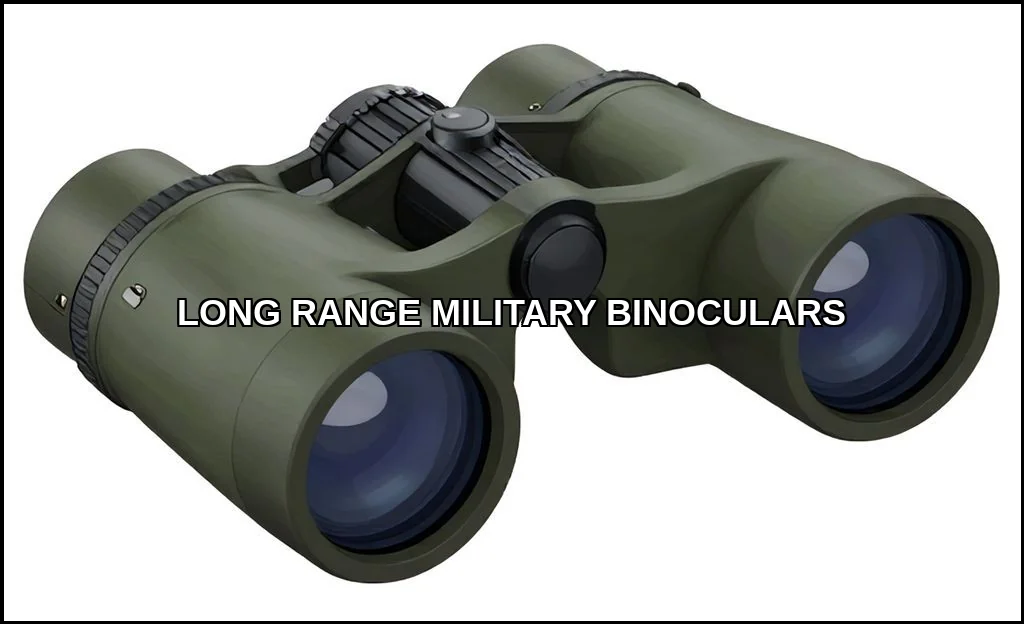
Key Technical Specifications Explained
You can’t judge a binocular by its camouflage paint. The real story is in the specs. These numbers tell you exactly what the device can do, and more importantly, what it can’t.
The Core Numbers: Magnification and Objective Lens
The classic notation, like 10×50, defines its soul. The first number is the magnification. 10x means the object appears ten times closer. Higher isn’t always better; excessive magnification amplifies hand shake and narrows the field of view.
The second number is the objective lens diameter in millimeters. A 50mm lens gathers significantly more light than a 25mm lens. This is critical for dawn, dusk, or overcast conditions. The balance between these two figures determines the instrument’s character.
Optical Performance and Build
Here’s where military-grade binoculars separate from civilian models. It’s not just about glass; it’s about coatings and construction.
- Exit Pupil: This is the diameter of the light beam hitting your eye. Calculated by dividing the objective lens by the magnification (e.g., 50/10 = 5mm), a larger exit pupil (over 4mm) provides a brighter image in low light and is easier on the eyes during prolonged use.
- Eye Relief: The distance your eye can be from the eyepiece while still seeing the full image. Crucial for eyeglass wearers or when wearing protective gear. 15mm or more is typically considered good.
- Optical Coatings: This is a major area often glossed over. Look for fully multi-coated lenses. High-end models feature dielectric prism coatings for maximum light transmission and true color fidelity, and phase correction coatings on roof prisms to correct light wave interference, restoring sharpness and contrast.
- Prism Type: For military and tactical use, Roof prisms dominate. They allow for a more compact, streamlined, and durable housing compared to the traditional Porro prism design, which can be bulkier.
Ruggedness and Environmental Sealing
A binocular that fails in the field is a liability. Military specs demand resilience.
- Waterproof and Nitrogen Purged: These terms are non-negotiable. Nitrogen purging removes internal moisture and prevents internal fogging during extreme temperature shifts. A true waterproof seal keeps external elements out.
- Armored rubber coating provides shock absorption and a secure grip in all weather conditions.
Top Brands and Model Comparisons
Several brands have earned their stripes by supplying optics to militaries and agencies worldwide. Their reputations are built on reliability.
| Brand | Known For | Typical User Focus |
|---|---|---|
| Steiner | Legendary durability, laser rangefinder models, used by NATO forces. | Special forces, maritime, pilots. |
| Vortex | Exceptional optical clarity, lifetime warranty, strong value. | Law enforcement, hunting, tactical enthusiasts. |
| Leupold | American-made ruggedness, advanced optical systems, lightweight designs. | Military, backcountry hunters, long-range shooters. |
When considering military binoculars vs civilian high-end models, the difference often lies in certifications, extreme environmental testing, and features like integrated laser rangefinders or night vision capability. Civilian models may match the glass quality but not always the battle-proven housing.
Primary Use Cases and Applications
The utility of long range optics extends far beyond a single battlefield. Their core function is long distance observation for situational awareness.
Official and Professional Roles
These are the primary drivers of innovation. Units like U.S. Army Rangers or Navy SEALs rely on them for reconnaissance and target identification. Similarly, law enforcement SWAT teams use them for surveillance during prolonged operations. Border patrol agents depend on them for monitoring vast, remote areas. It’s about gathering intelligence safely and effectively.
Civilian and Recreational Adaptation
The technology trickles down to serious enthusiasts who demand uncompromising performance.
- Hunting: Spotting game at extreme distances is a clear parallel to military reconnaissance. The best long range military binoculars for hunting offer clarity in low light and ruggedness for backcountry use.
- Marine: Knowing how to choose military binoculars for marine use centers on waterproof integrity, corrosion resistance, and stabilization for use on a moving vessel.
- Search & Rescue: Covering large areas of wilderness or disaster zones quickly.
- Birding & Wildlife Observation: For those who want the absolute best view, the optical principles are identical. Just like choosing the best birdhouses with cameras requires research, so does selecting top-tier optics.
Buying Guide and Maintenance Tips
Investing in serious optics requires careful thought. It’s a tool, not a toy.
Features to Prioritize
Your needs dictate your checklist. Start with your primary environment and range.
- Define Your Range: Need to see a mile or more? Prioritize 10x or 12x magnification with a large objective lens (42mm-50mm).
- Consider Added Tech: Do you need precise distance? Look for integrated rangefinder binoculars. For navigation, some models include a digital compass. A full package of long range binoculars with rangefinder and compass is the pinnacle of tactical gear.
- Low-Light Needs: If you operate at dawn, dusk, or night, prioritize large objective lenses and premium coatings. For true darkness, dedicated night vision binoculars are a separate category.
- Understand Regulations: High-end military grade binoculars with certain technologies (e.g., advanced image stabilization, specific rangefinders) may be subject to ITAR regulations and export controls. This is crucial for international buyers or resellers.
Care and Longevity
Treat them like the precision instruments they are. Proper maintenance ensures they last for decades.
- Always use the lens caps and store them in their case when not in use.
- Clean lenses only with a soft brush first, then a microfiber cloth and proper lens cleaning fluid. Never use abrasive materials or your shirt.
- Check sealing periodically. If you notice any moisture inside the optics, the nitrogen purge has likely failed and they need professional service.
- Avoid extreme temperature shocks when possible, even though they are built for it.
For a deep dive into the nuances of different models and their intended uses, this authority guide is an excellent official source.
The world of long-range military binoculars is defined by a relentless pursuit of clarity, durability, and reliability. From the optics used by special forces to the models adapted for hunting and marine use, the principles remain the same: superior light transmission, rugged construction, and features that enhance situational awareness. It’s about making the distant detail decisively clear. Choosing the right tool requires honest assessment of your environment, just as you would when deciding which parrots are the best talkersmatching capability to need is everything. Your optics are your window to a distant point of interest; make sure that window is crystal clear, unbreakable, and precisely the right size for the view you need.
