
You’re probably wondering about the macaw vs parrot difference. It’s a common point of confusion. The short answer? All macaws are parrots, but not all parrots are macaws. Think of it like squares and rectangles. This distinction matters, especially if you’re considering one of these intelligent birds as a companion.
For anyone looking at a large parrot species, space is a non-negotiable priority. Their enclosures need to be massive. Many owners of big birds swear by the Extra Large Double flight cage for providing that essential room to stretch, play, and thrive. Its a foundational piece of equipment.
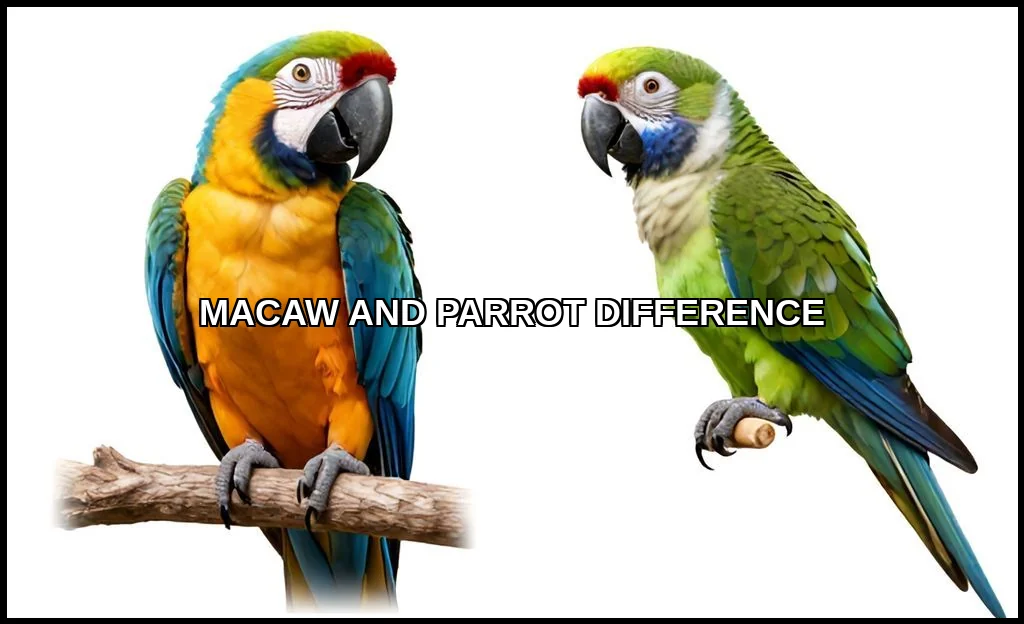
All Macaws are Parrots, But Not All Parrots are Macaws
This is the core concept. “Parrot” is the broad, umbrella term for a whole order of birds. Macaws are a specific group within that order. They share the fundamental traits of all parrots but have their own unique flair. So when you ask “are macaws parrots?”, the answer is a definitive yes. They are a celebrated subset.
Defining the Parrot Family (Psittaciformes)
The scientific order Psittaciformes encompasses all parrots, from tiny budgies to massive hyacinth macaws. This family is defined by several key features you’ll recognize. A strong, curved beak perfect for cracking nuts. Zygodactyl feettwo toes forward, two backfor expert climbing and handling. And, of course, notable intelligence and vocal abilities. This is the club every parrot, including every macaw, belongs to.
Within this order, you find incredible diversity. There are over 350 different types of parrots, including cockatoos, Amazon parrots, African Greys, lovebirds, and our focus: macaws. An authority guide from Audubon dives deeper into these fascinating evolutionary traits.
What Makes a Macaw Unique? Key Defining Traits
So, what sets a macaw apart from the general parrot crowd? It’s a combination of iconic features. First, the visual spectacle. Macaws are the neon signs of the avian world. Their feathers are a breathtaking blend of vibrant blues, radiant reds, sunlit yellows, and lush greens. This coloration isn’t just for us; it serves as camouflage in the dappled light of the rainforest canopy.
Then, there’s the size. Macaws are the giants. The hyacinth macaw is the longest parrot on the planet. Even smaller macaw species command presence. Their most striking physical feature, aside from color, is the large, often bare, facial patch. This area of bare skin blushes when they are excited or agitateda clear emotional signal.
Their beaks are legendary. Proportionally massive and incredibly powerful, they can crack open palm nuts that would break a hammer. In the wild, this tool is essential. In a home, it demands respect and proper enrichment. Finally, their long, graceful tail feathers taper to a point, creating that classic, elegant silhouette.
Macaw Characteristics: Behavior and Ecology
Macaws are inherently social, flock-oriented birds. In the wild, they form strong, often lifelong pair bonds and communicate loudly across vast distances. This translates to a pet macaw being a profoundly social, emotionally complex, and yes, loud companion. They are not background pets.
Their natural habitat is central to understanding them. Most hail from the rainforests of Central and South America. They are adapted to a life of flying, foraging, and constant mental stimulation. A captive macaw without an outlet for these instincts will quickly develop behavioral issues. Boredom is their enemy.
Side-by-Side Comparison: Macaws vs. Other Popular Parrots
Let’s make the difference between parrot and macaw concrete. Comparing them to other well-known parrots highlights their distinct profile. This isn’t about better or worse, but about fit.
Macaw vs. African Grey
This is a classic comparison of brawn versus brain. Which is bigger a macaw or an african grey? A macaw, almost always. African Greys are medium-sized, renowned for their unparalleled cognitive and talking ability. Macaws can learn words, but they are generally not in the same league linguistically. They express intelligence through problem-solving and physical manipulation. The Grey is often more reserved; the macaw is typically more overtly dramatic and physical.
Cockatoo vs. Macaw
Both are large, demanding, and incredibly affectionate. The key differences? A cockatoo’s crest versus a macaw’s facial patch. Cockatoos are often considered more “cuddly” but also more prone to neurotic behaviors like feather plucking if their intense need for affection isn’t met. Macaws can be cuddly too, but their affection often comes with a powerful beak you must read carefully. Noise levels are high for both, but the macaw’s call is a deafening shriek, while the cockatoo’s can be a relentless screech. It’s a pick-your-poison scenario for neighbors.
Macaw vs. Amazon Parrot
Amazons are stocky, medium-to-large parrots known for their bold personalities and excellent speaking potential. They are often described as “party birds”gregarious, playful, and sometimes hormonally challenging. A macaw is larger, typically more expensive to house and feed, and possesses a beak that can cause more significant damage. An Amazon might be a step down in size and power but not necessarily in attitude or volume.
| Trait | Typical Macaw | Typical African Grey | Typical Cockatoo |
|---|---|---|---|
| Size | Very Large to Giant | Medium | Large to Very Large |
| Key Physical Trait | Long tail, bare facial patch, vibrant colors | Red or maroon tail, grey plumage | Movable crest, often white/light colors |
| Vocalization | Loud, piercing shrieks | Mimics speech with high accuracy, moderate volume | Very loud, repetitive screeches |
| Talking Ability | Moderate. Can learn words/phrases. | Exceptional. Known for contextually appropriate speech. | Moderate. Good mimickers. |
| Macaw lifespan / Average Lifespan | 50-80+ years | 40-60 years | 40-70 years |
Choosing Between a Macaw and Another Parrot as a Pet
This is the million-dollar question. Is a macaw a good pet for beginners? Almost universally, no. They are a lifetime commitmentliterallyrequiring expert-level care. Your decision hinges on brutal honesty about your lifestyle.
Care Requirements & Lifespan: The Long Haul
A macaw’s needs are monumental. We’re talking about a parrot size comparison that demands a room-sized cage or an entire bird-proofed room. Their diet is complex: premium pellets, fresh fruits, vegetables, and nuts. They need hours of daily, supervised out-of-cage time and mental stimulation. Vets are specialized and expensive.
And then there’s the macaw lifespan. These birds regularly live 50 to 80 years. You are making a commitment that will likely outlive your career, your car, and potentially your marriage. You must have a solid plan for their care in your will.
- Space: Can you provide a mansion-like cage and safe flying area?
- Time: Do you have 3-5 hours daily for interaction and supervision?
- Noise Tolerance: Are you and your neighbors prepared for jet-engine-level vocalizations?
- Budget: Can you afford $200+ monthly for food and toys, plus $500+ yearly for vet care?
- Patience: Can you handle a toddler with bolt cutters that might go through a biting phase?
Suitability as Pets: Who Should Get a Macaw?
The ideal macaw owner has prior large parrot experience. They have a stable, quiet(ish) home, no small children, and a deep understanding of avian behavior. They see the bird as a family member, not a decoration. If you’re still exploring which parrots might suit you better, looking at species known for specific traits, like talking, is a wise move.
For most people, a smaller, less intense parrot species is a far more manageable and rewarding first bird. The joy of parrot ownership shouldn’t be overshadowed by constant stress. If you are determined, connect with a macaw rescue organization. Foster first. Many beautiful birds need homes because their previous owners underestimated the challenge. You’ll need the best gear, from cages to carriers, to succeed.
What is the main difference between a macaw and a parrot? It’s scale. Scale of size, sound, need, and commitment. Macaws are parrots dialed up to eleven. They are magnificent, emotional, and demanding creatures that embody the extremes of the parrot family.
Choosing a parrot is about matching energy. The vibrant, physical, larger-than-life macaw energy is not for everyoneand that’s okay. The goal is a successful, decades-long relationship. Do your homework, meet many birds, and be realistic. The right bird will change your life. The wrong one will turn it upside down.
