
You’re probably wondering about the difference between a macaw and a parrot. It’s a common question, and the answer is more fascinating than you might think. The truth is, all macaws are parrots, but not all parrots are macaws. Think of it like squares and rectangles.
This distinction is crucial for anyone considering a feathered companion. Choosing the right bird impacts your lifestyle for decades. We’ll break down the science, the behavior, and the real-world care needs. You’ll get a clear picture of where these brilliant birds fit in the avian world.
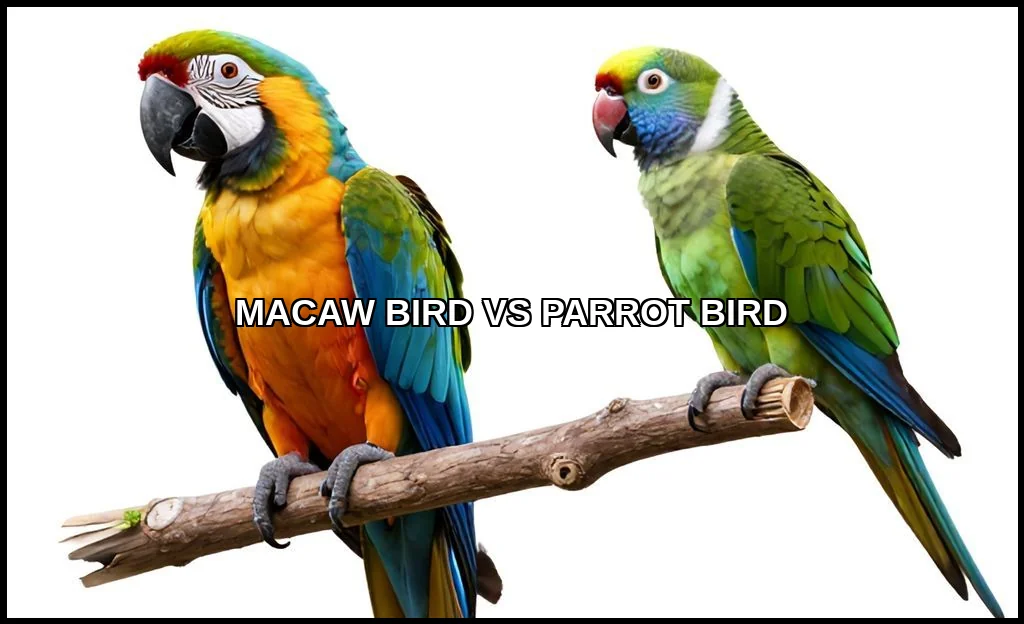
Macaws as a Subset of Parrots
Imagine walking into a massive aviary. You see a vibrant blue-and-gold macaw next to a chatty African Grey. Both are parrots, members of the order Psittaciformes. This order contains every single parrot, from tiny budgies to the majestic hyacinth macaw. The family Psittacidae is where things get specific, housing “true” parrots and macaws.
Macaws belong to a tribe within this family called Arini, which are the New World parrots. This means their natural habitat is the Americas. Their classification explains a lot about their unique traits. Understanding this hierarchy is the first step to answering “are macaws parrots?” Absolutely. They are a spectacular, specialized branch of the parrot family tree.
Taxonomy: The Scientific Family Tree
Let’s get technical for a moment. Taxonomy is how scientists classify life. For parrots, it looks like this:
- Order: Psittaciformes (All parrots)
- Family: Psittacidae (True parrots, macaws, conures, Amazon parrots)
- Subfamily: Arinae (New World parrots)
- Tribe: Arini (Macaws and their closest relatives like conures)
This structure shows the macaw vs parrot relationship clearly. Macaws are a specific type of parrot, just as terriers are a specific type of dog. A famous species within this group is the scarlet macaw, or Ara macao. Its scientific name pinpoints its exact place in the lineage.
When comparing a macaw vs cockatoo, remember cockatoos belong to a different family (Cacatuidae) within the same Psittaciformes order. They’re cousins, not siblings. This separation happened millions of years ago, leading to different evolutionary paths.
Physical Comparison: Size, Color, and Beak Structure
This is where the differences become impossible to miss. Macaw size is their most defining feature. The hyacinth macaw is the longest parrot in the world, reaching up to 40 inches from head to tail tip. Even smaller macaws, like the severe macaw, are substantial birds.
Compare that to many other parrot types. An African Grey parrot averages 13 inches. A Sun Conure is about 12 inches. The sheer physical presence of a macaw is unparalleled in the parrot world. Their wingspans are equally impressive, designed for soaring across rainforest canopies.
A Study in Beaks and Colors
Macaws possess the most powerful beaks in the parrot family. They can crack open incredibly hard nuts and seeds that other birds can’t touch. This formidable tool requires respect and proper training.
Their color palette is famously vibrant. While many parrots are colorful, macaws often exhibit large, solid blocks of stunning colorvivid blues, radiant reds, and brilliant yellows. Species like the blue-and-gold or green-winged macaw are living rainbows.
All parrots, including macaws, have zygodactyl feet. This means two toes face forward and two face backward. It’s a perfect design for climbing and manipulating objects. This trait is a hallmark of the entire Psittaciformes order.
If you are considering a larger bird, their housing needs are non-negotiable. They require immense space to move, play, and stretch their wings. For a macaw or other large parrot, investing in a spacious and sturdy Large Bird Cage is one of the most critical purchases you’ll make. It’s their territory, their gym, and their safe space.
Behavior and Temperament: Noise, Intelligence, and Social Needs
Here’s where your lifestyle meets their instincts. All parrots are intelligent, social, and noisy to varying degrees. But the scale matters.
Macaws are incredibly smart and can learn a large vocabulary. Their macaw talking ability is often clear, though they might not match the mimicry precision of an African Grey. Their intelligence, however, manifests in problem-solving and emotional sensitivity. They form incredibly deep bonds, which can lead to separation anxiety.
Now, about the noise. A macaw’s contact call is designed to travel miles through dense rainforest. In a suburban home, this is… noticeable. It’s not constant, but when they vocalize, they mean business. Smaller parrot types can be piercingly loud too, but the volume and depth of a macaw’s call are in a league of their own.
The Social Contract
Both macaws and other parrots are flock animals. They demand daily, meaningful interaction. This isn’t a pet you can leave alone for 10 hours a day. Without proper socialization, they develop destructive behaviors and depression.
- Macaws: Often described as “gentle giants” with their trusted humans but require firm, consistent handling due to their size and power. They can be clownish and love dramatic displays.
- Other Parrots: Temperaments vary wildly. An Amazon parrot can be wonderfully affectionate but hormonally challenging. A Cockatoo is famously cuddly but notoriously needy. An African Grey might be more reserved and analytical.
The key is research. A macaw vs cockatoo debate, for instance, centers on different kinds of intense emotional demand.
Care and Considerations: Choosing the Right Bird for You
This is the practical heart of the matter. Your decision will shape the next 30 to 60 yearsyes, really. Parrot lifespan is a serious commitment. Many large parrots live 30-50 years. Macaws often live 50+ years, with some reaching 80. They are genuinely lifelong companions, often outliving their owners.
So, do macaws live longer than other parrots? Generally, yes, especially compared to smaller species like cockatiels (15-20 years) or lovebirds (10-15 years). But other large parrots like Amazons and Greys also regularly hit the 50-year mark.
Lifestyle and Logistics
Let’s tackle some direct questions. Are macaws more expensive than other parrots? Initially, yes. The bird itself, the massive cage, the sheer volume of high-quality food, and specialized vet care cost more. Their destructive power also means toys and perches need frequent, costly replacement.
Which is better for a first-time bird owner macaw or parrot? For the vast majority of people, a macaw is not a suitable first bird. Their size, strength, noise, longevity, and complex needs present a steep challenge. A smaller, less intense species is a wiser starting point. You can explore our guide to the best bird cage for smaller species to start planning appropriately.
Daily care for any large parrot is intensive. It involves:
- Diet: A premium pellet base, plus daily fresh vegetables, fruits, and nuts.
- Enrichment: Hours of out-of-cage time and mental stimulation. Boredom is the enemy.
- Veterinary Care: An avian specialist is mandatory, not optional.
- Housing: That Large Bird Cage is just the beginning. You need a safe space for them to fly and explore.
Even travel requires planning. If you have an Amazon parrot or similar, finding a secure best bird carrier is essential for vet visits or trips.
What is the main difference between a macaw and a parrot?
Let’s synthesize. What is the main difference between a macaw and a parrot? The core answer is specificity. “Parrot” is the entire category. “Macaw” is a distinct group within it, defined by:
| Aspect | Macaws (as a Subset) | Other Parrots (General) |
|---|---|---|
| Size | Very large to giant | Tiny (budgie) to large (Grey, Cockatoo) |
| Beak | Extremely powerful, large | Strong, but size-proportionate |
| Native Range | New World (Americas) | Worldwide (Americas, Africa, Asia, Australasia) |
| Typical Lifespan | Often 50+ years | Varies widely (10-50+ years) |
The macaw vs parrot difference isn’t about which is better. It’s about which is a better fit for your world.
Choosing between a macaw and another parrot species isn’t like picking a dog breed. It’s a commitment that echoes across generations. Macaws are magnificent, but their requirements are monumental. Other parrot types offer a spectrum of intelligence and companionship at different scales of responsibility.
Visit rescues. Talk to owners. Feel the power of a macaw’s beak (gently) and listen to their call. Research until you dream about pellets and perches. The right bird will enrich your life beyond measure, but only if you step into their world with eyes wide open. Your future feathered friend deserves nothing less.
