
You’re probably here because you’ve seen a stunning, colorful bird and wondered, “Is that a macaw?” Or maybe you’re considering one of these magnificent parrots and are trying to figure out the macaw parrot difference. It’s a smart question. While all macaws are parrots, not all parrots are macaws. The distinction matters, especially if you’re thinking about bringing one into your life.
Macaws are the giants and the glamour icons of the Psittacidae family. Their intelligence, vibrant plumage, and complex personalities set them apart. But within the macaw group itself, the differences are vast. From the gentle giant Hyacinth to the fiery Scarlet, choosing the right one requires a deep dive into species, temperament, and care. For instance, providing an appropriately sized cage is non-negotiable for their well-being. Many owners of the largest types of macaws find that an Extra Large Elegant cage offers the essential space for climbing and play.
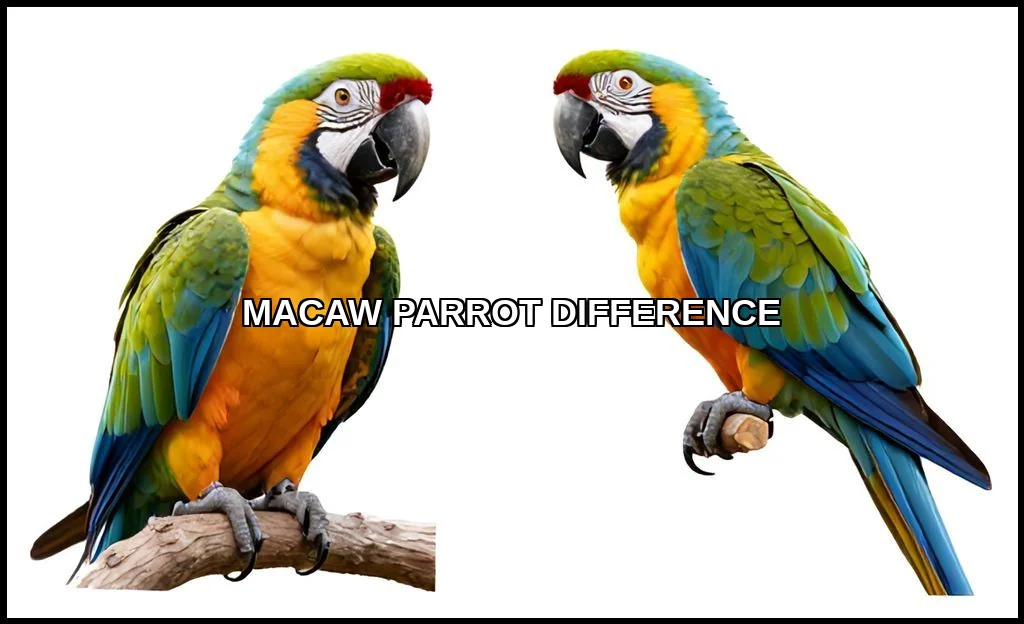
Macaw vs. Other Parrots: Key Defining Traits
So, what makes a macaw a macaw? It’s more than just size. When considering the macaw vs parrot question, look for a specific set of physical and behavioral hallmarks.
Physically, macaws possess long, graceful tail feathers and a large, powerful beak designed to crack the hardest nuts. Their facial feather pattern is unique, often featuring bare cheek patches lined with tiny feathers. Like all parrots, they have Zygodactyl feet (two toes forward, two back) for expert climbing and handling food.
Behaviorally, they are known for loud vocalizations, high intelligence, and strong social bonds. Their macaw personality traits often include being playful, demanding, and deeply affectionate with their chosen person. This contrasts with other popular parrots; a macaw vs african grey intelligence and talking comparison shows Greys may excel in mimicry precision, while macaws often showcase more dramatic, social vocalizations. For a deeper look at vocal skills, see our guide on which parrots talk.
Comparing Popular Macaw Species
This is where the macaw species comparison gets real. Each species has its own “vibe,” size, and care profile. Let’s break down some of the most well-known.
The Giants: Large Macaw Breeds
These are the birds that define the macaw image. They require immense space, a dedicated owner, and a robust budget.
- Hyacinth Macaw: The undisputed king. Largest of all parrots by length, with stunning cobalt-blue plumage and bright yellow eye rings. Known for a comparatively gentle, “gentle giant” temperament. Their rarity and price make them a lifetime commitment.
- Scarlet Macaw: The classic red, yellow, and blue icon. Brilliantly colored and highly intelligent, but often noted for being more strong-willed and louder than some other large species. The hyacinth macaw vs scarlet macaw debate often comes down to temperament versus iconic beauty.
- Blue and Gold Macaw: Perhaps the most common large macaw in aviculture. The blue and gold macaw size is impressive (around 34 inches), and their personality is often described as clownish, affectionate, and highly social. A fantastic bird for an experienced owner with space.
The Compact Companions: Mini Macaw Species
Don’t have room for a 3-foot wingspan? Mini macaws, like the Severe, Hahn’s, and Illiger’s, offer the macaw personality in a more manageable package (typically 12-20 inches). They are still loud, intelligent, and need significant interaction, but their space requirements are less extreme. This makes them a candidate for owners wondering which macaw species is the quietest and best for apartmentsthough “quiet” is always relative with parrots.
Temperament and Color Variations
Color isn’t just for show; it’s a key identifier. Macaw color variations are specific to species, though mutations occur. Temperament varies widely too. The military macaw temperament, for example, is often praised for being more even-keeled and less prone to noise than its Scarlet cousin. Researching these nuances is critical.
| Species | Average Length | Key Colors | Notable Temperament Trait |
|---|---|---|---|
| Hyacinth Macaw | 40 inches | Cobalt Blue | Gentle, Calm |
| Blue and Gold Macaw | 34 inches | Blue, Gold | Clownish, Social |
| Military Macaw | 30 inches | Green, Red | Even-Tempered |
| Hahn’s Macaw (Mini) | 12 inches | Green, Red/Black | Feisty, Playful |
Choosing the Right Macaw: Care and Lifestyle Fit
This is the most important section. Bringing home a macaw isn’t like getting a hamster. It’s a decades-long partnership that will shape your daily life.
Lifespan, Space, and Daily Commitment
The macaw lifespan difference compared to other pets is staggering. Many live 50 to 80 years. You are making a commitment for its entire life, which may outlast your own. They need a huge, sturdy cage (think mansion-sized), several hours daily of supervised out-of-cage time, and constant mental stimulation. Boredom leads to screaming and feather-plucking.
Their powerful beaks can destroy furniture and trim. Macaw-proofing a room is a serious task. You’ll need a variety of toys, perches of different textures and diameters, and a reliable best travel carrier for vet visits. Speaking of vets, establishing care with a certified avian veterinarian is non-negotiable and can be costly.
Intelligence, Talking, and Social Needs
Macaws are brilliantly smart. They solve puzzles, learn tricks, and demand engagement. Their macaw talking ability is goodthey can learn words and phrasesbut they are often better at contextual sounds and loud contact calls. They thrive on routine and social interaction. Leaving a macaw alone for long periods is a recipe for behavioral disaster.
Figuring out how to tell the difference between male and female macaws usually requires surgical sexing or DNA testing, as they are not sexually dimorphic by sight. Behaviorally, there’s no guaranteed rule; individuals vary more by species and upbringing.
Is a Macaw Right For You?
Ask yourself hard questions. Do you have the space, time, and financial stability for the next 50 years? Can you handle the noise? Are you prepared for the potential mess and destruction? If your answer to any of these is “maybe” or “no,” a macaw might not be your ideal bird. For comprehensive species profiles, always consult an authority guide like the World Parrot Trust.
The Major Differences, Simplified
Macaws stand out in the parrot world due to their size, striking facial features, and long tails. The difference between a macaw and a regular parrot is one of scale and specific morphology. But the bigger differences lie between macaw species themselves. A Hyacinth is a different world from a Hahn’s.
Your choice must hinge on honest self-assessment. Match the bird’s needs with your lifestyle’s reality, not its fantasy. Visit breeders, spend time with different species, and talk to experienced owners. The right macaw, chosen with eyes wide open, can be an unparalleled companion. The wrong one is a tragedy for both of you. Choose wisely.
