Macaws are the rockstars of the parrot world. Their vibrant plumage is matched only by their potential for impressive vocal feats. But can macaws talk? Absolutely. Their ability isn’t just about parroting sounds; it’s a fascinating window into their complex intelligence.
Owning a talking macaw is a journey, not a guarantee. It hinges on species, individual personality, and, crucially, your approach. For anyone embarking on this adventure, a comprehensive MACAW PARROT GUIDE can be an invaluable resource for understanding their full range of care and communication needs.
Macaw Intelligence & Natural Vocal Ability
Macaw speech ability stems from advanced cognitive skills. These birds don’t just mimic; they associate sounds with context, objects, and people. Their natural vocalization in the wild is a complex system of contact calls, alarms, and social chattering. This innate talent for sound production is the foundation for learning human words.
Their brain structure supports this. The avian equivalent of the cerebral cortex is highly developed, allowing for advanced learning and memory. This is why macaw mimicry can be so accurate. They replicate the tone, pitch, and emotion behind a word. A happy “hello” sounds genuinely cheerful.
However, their intelligence means they get bored easily. Repetitive, dull training sessions fail. You must engage their problem-solving mind. Think of it as teaching a brilliant, feathered toddler with a powerful voice.
Top Talking Macaw Species: Blue & Gold vs. Scarlet
Not all macaws are equal chatterboxes. While individual variation is huge, some species have stronger reputations. If you’re wondering which macaw species talks the best, two often lead the conversation.
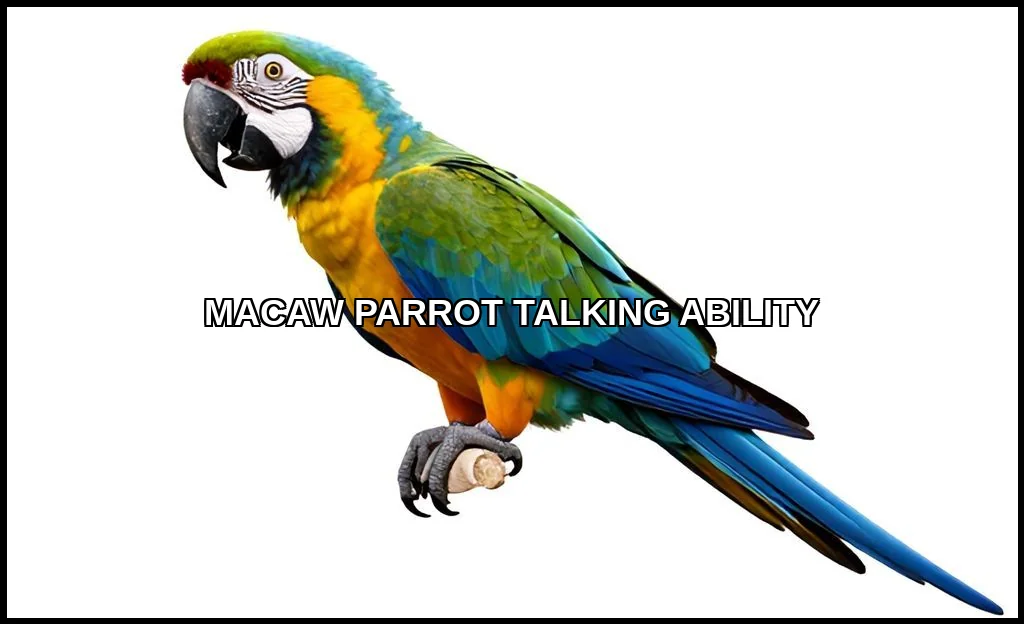
The Blue and Gold Macaw is frequently cited as a top talker. They are social, outgoing, and often eager to engage vocally with their human flock. Their clear, loud voices can build substantial vocabularies. They thrive on interaction, which fuels their desire to communicate.
Scarlet Macaws are equally capable but can be more strong-willed. Their speech might be slightly less clear than a Blue and Gold’s, but they are brilliant mimics of sounds and intonations. They may be more selective about when they choose to speak. For a broader look at which parrots excel in talking, including other genera, specific comparisons are helpful.
Hybrid macaws, like the Catalina or Harlequin, inherit traits from their parent species. Their talking potential is a roll of the genetic dice. Remember, a bird’s individual personality is the ultimate dictator of its vocal performance.
Factors Influencing a Macaw’s Talking Success
Why is my macaw not talking? Several key factors determine success. Age is a major one. At what age do macaws start talking? Most begin experimenting with sounds between 6 months and a year, with serious word acquisition happening from 1-3 years. Starting training young is ideal, but older birds can learn.
- Socialization: This is non-negotiable. A well-socialized bird sees you as its flock and wants to interact. Isolation breeds silence or behavioral issues.
- Individual Personality: Some birds are natural performers; others are quiet observers. Forcing a shy bird is counterproductive.
- Consistent Training: Short, positive, daily sessions beat long, sporadic ones. Patience is your most important tool.
- Environment: A stressed, bored, or unhealthy bird won’t talk. Mental stimulation through toys and foraging is critical.
Step-by-Step Guide to Training Your Macaw to Talk
How to teach a macaw to talk requires a structured yet flexible plan. The goal is to make learning a fun, rewarding game. This macaw speech training guide focuses on positive reinforcement.
- Build Trust First: Never start formal training until your bird is completely comfortable with you. This foundational bond makes all subsequent learning possible.
- Start with Simple Words: Choose short, high-interest words. “Hello,” “Hi,” “Bye,” or their name are perfect starters. Say the word clearly and with enthusiasm when you greet them.
- Use the “Model/Rival” Technique: Have another person (or yourself with recorded audio) say the word. When the “rival” says it correctly, they get a reward (praise, a treat). Your macaw learns by observing this social interaction.
- Reward Attempts, Not Just Perfection: The moment your bird makes a sound resembling the word, offer immediate praise and a favorite treat. Timing is everything.
- Keep Sessions Short: Five to ten minutes, twice a day, is far more effective than an hour-long marathon. End on a positive note.
- Incorporate Context: Say “up!” when asking them to step up. Say “apple” when offering a piece. This builds word association.
For an in-depth, authority guide on avian speech training, experts at Lafeber provide excellent scientific and practical insights.
Beyond Words: Understanding Macaw Sounds & Body Language
Macaw communication is a full-body experience. While we focus on words, their natural macaw sounds and posture tell a richer story. Interpreting these cues deepens your bond and informs your training.
Happy, content macaws often make soft chattering, grinding their beaks, or purring sounds. Loud, repetitive squawking usually signals a need: boredom, hunger, or a demand for attention. Learning these cues helps you address the cause, not just quiet the noise.
Body language is equally vocal. Fluffed feathers can mean relaxation or illnesscontext is key. Pinned eyes (rapidly contracting pupils) often indicate high excitement, which could be playful or agitated. A key part of responsible care, like safe travel, involves understanding this stress language. Choosing the best travel carrier for any parrot, for instance, requires recognizing and minimizing stress signals.
| Sound/Action | Likely Meaning | Your Response |
|---|---|---|
| Soft “Chattering” | Contentment, self-talk | Enjoy it! A sign of a happy bird. |
| Loud, Piercing Scream | Alarm, fear, or extreme demand | Check for danger first. Ignore demand screams to avoid reinforcement. |
| Beak Grinding | Extreme relaxation, often before sleep | No action needed. A very positive sign. |
| Feather Fluffing & Shaking | Could be settling feathers, or a sign of illness | Observe. If accompanied by lethargy, consult a vet. |
Care & Socialization for Vocal Development
A talking macaw is first and foremost a healthy, engaged macaw. Their vocal development is inextricably linked to their overall well-being. Proper diet, spacious housing, and mental exercise are not optional extras; they are prerequisites for a bird willing and able to learn.
Diet directly impacts energy and cognitive function. A seed-only diet is deficient. Provide high-quality pellets, fresh vegetables, and limited fruits. A malnourished bird lacks the vitality for active learning. Social interaction is their psychological food. They are flock animals. Your daily, dedicated time for play, training, and simple companionship is what turns you from a caregiver into a flockmate they want to converse with.
Without this enrichment, macaws develop stereotypical behaviors like screaming or feather-plucking. In this state, mimicry and speech training are the last things on their minds. Your goal is to create an environment where vocal interaction is a natural, rewarding part of their rich daily life.
Teaching a macaw to talk is a profound exercise in partnership. It’s less about creating a novelty act and more about unlocking a unique channel of interspecies connection. Success is measured not just in vocabulary size, but in the strength of your mutual understanding. Focus on the relationship, provide exemplary care, and let the words come as a natural byproduct of a life well-shared. The most meaningful thing your macaw might ever “say” is the trust it shows you every day.
