
You’re thinking about a parrot. The vibrant colors, the intelligence, the companionship. But the world of parrots is vast, from tiny budgies to majestic, rainbow-hued giants. Where do macaws fit in? Understanding the differences between macaws and other parrots is key to finding your perfect avian match. It’s not just about picking the prettiest bird; it’s about aligning lifestyles for decades to come.
This comparison will cut through the noise. We’ll look at size, personality, care, and the long-term commitment. For instance, if you’re considering a larger species, you’ll need to think big from day oneespecially about housing. Many owners of large parrots find that an Extra Large Double flight cage or play stand is a foundational investment for their bird’s well-being, providing the space essential for their physical and mental health.
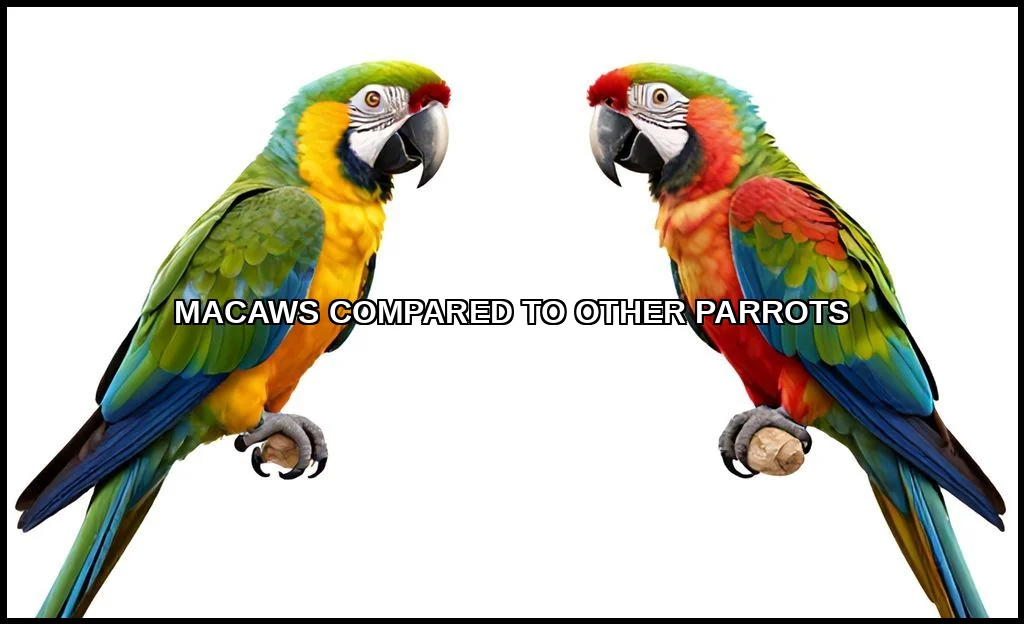
The Macaw Family: Giants of the Parrot World
When people imagine a classic parrot, they often picture a macaw. These are the showstoppers. Species like the scarlet macaw and blue and gold macaw are iconic, representing the pinnacle of avian grandeur in the pet trade. They belong to a distinct group within the broader parrot family, characterized by massive beaks, long tail feathers, and bare facial patches. This avian comparison starts with one undeniable fact: macaws are, by and large, the largest parrots commonly kept as companions.
Size, Appearance & Physical Comparison
The macaw vs parrot size difference is often the first thing you notice. A hyacinth macaw can reach 40 inches from beak to tail tip. Compare that to an African grey, which typically maxes out around 13 inches. It’s a difference in scale that impacts everything.
- Beak Power: A macaw’s beak is a formidable tool, capable of cracking hard nuts. It demands respect and proper training.
- Wingspan: Their large wings require significant space for safe, supervised out-of-cage exercise.
- Color Spectrum: While many parrot species are colorful, macaws often display the most vibrant, saturated hues. Think of the scarlet macaw’s red, yellow, and blue versus the more subdued greens of many Amazon parrots.
This sheer size means accessories, cages, and toys must be heavy-duty. A toy suitable for a conure is a chew-toy snack for a macaw.
Temperament, Intelligence & Behavioral Differences
Size influences behavior, but it doesn’t define it. Macaw personality traits are a unique blend. They are often described as “gentle giants” with a clownish, playful side. However, they are powerful, sensitive birds that can become demanding if their social and intellectual needs aren’t met.
How does this compare? The macaw vs amazon parrot temperament is a common query. Amazons are known for being confident, sometimes territorially hormonal, and excellent talkers. Macaws can be more emotionally demonstrative and physically affectionate but may not reach the same clarity of speech as some Amazons or African greys. For a deeper dive on vocal abilities across species, see our guide on which parrots talk.
Intelligence is high across all these species. The difference lies in expression. A macaw might solve a puzzle to get a treat, then use its giant beak to dismantle the puzzle box for fun. A cockatoo might focus more on the social interaction with the person giving the treat.
Care, Lifespan & Commitment Level
This is where the rubber meets the road. The macaw care difficulty is considered high, primarily due to their size, dietary needs, and mental requirements. They need a varied diet of high-quality pellets, nuts, fruits, and vegetablesin larger quantities. Their powerful beaks destroy toys quickly, making enrichment a recurring expense.
The most significant factor, however, is time. We’re talking about a lifespan that rivals a human’s. Many macaws live 50 to 60 years, with some reaching 80 or more. The macaw lifespan comparison to a cockatoo is similar (cockatoos also live 40-60+ years), but both far outlive smaller species like cockatiels (15-25 years). This is a lifetime commitment that requires planning for the bird’s future in your will.
Noise Level & Talking Ability
Let’s be clear: all parrots are loud. But the macaw noise level is in a category of its own due to volume and pitch. A macaw’s contact call is designed to travel miles through the rainforest. In an apartment, this is untenable. Are macaws louder than African greys? In raw decibels, often yes. While an African grey can be piercingly loud, a macaw’s call is typically deeper and more resonant, but can carry with immense power.
As for macaw talking ability, they are capable talkers but aren’t always the most prolific. They tend to have gravelly, lower-pitched voices. They often excel at learning soundsdoorbells, laughter, coughsand may have a smaller vocabulary of clear words compared to an African grey. Their intelligence shines through in context, using sounds appropriately rather than reciting long phrases.
Choosing the Right Parrot: Macaw vs. Other Species
So, are macaws good pets for beginners? Generally, no. Their size, strength, long lifespan, and complex needs make them challenging for first-time bird owners. They are fantastic pets for the right, experienced person who has done their research.
Consider this quick comparison to guide your thinking:
| Consideration | Macaw (e.g., Blue & Gold) | Medium Parrot (e.g., Amazon) | Smaller Parrot (e.g., Conure) |
|---|---|---|---|
| Space Needed | Very Large (Entire room/aviary) | Large (Substantial cage & area) | Moderate (Standard large cage) |
| Noise Level | Extremely High | High (Loud, frequent calls) | Moderate-High (Shrill calls) |
| Lifespan | 50-80+ years | 40-60 years | 20-30 years |
| Interaction Need | Very High (Hours daily) | High (2-4 hours daily) | High (2+ hours daily) |
| Approx. Cost (Initial) | $1000 – $3000+ | $800 – $2000 | $200 – $800 |
The macaw price vs other parrots is higher upfront, but it’s the lifelong costs that add up: food, vet care (requiring an avian specialist), and constant toy replacement. Don’t forget about travel. Transporting any bird safely is crucial, and having the right carrier is part of responsible ownership. For insights on secure travel options, you can read about the best bird carriers available.
Your lifestyle is the ultimate filter. Do you have decades to dedicate? Can you provide a stable, stimulating environment? Is your living situation suitable for a high-decibel companion? For comprehensive, species-specific data, always consult an official source like a recognized avian encyclopedia or conservation organization.
Choosing a parrot is a profound decision. Macaws offer an unparalleled, larger-than-life bond filled with laughter, challenges, and deep companionship. Other parrot species offer equally rich relationships in a different, sometimes more manageable, package. The goal isn’t to find the “best” parrot, but the best parrot for you. Look at your life, your future, and your capacity for care. Then, you’ll know if the majestic macaw is your destined companion or if another wonderful parrot species is waiting to share your home. The right choice leads to decades of mutual joy.
