
You’re probably here because you’ve heard a parrot talk. Maybe it was a friend’s bird, a viral video, or a visit to an aviary. That moment of hearing a feathered creature perfectly mimic human speech is genuinely captivating. It sparks a question: which parrot species truly holds the title for the most talkative? The answer isn’t as simple as naming one bird. It’s a fascinating mix of species, individual personality, and dedicated training.
Think of parrot speech as a complex talent show. Some species are naturally gifted mimics, while others have the potential but need the right coach. Your journey to finding a chatty companion involves understanding these nuances. For those who love the idea but aren’t ready for a decades-long commitment, interactive toys like the Talking Macaw Parrot can provide a fun introduction to avian mimicry. But for the real deal, let’s explore the world’s most vocal parrot species.
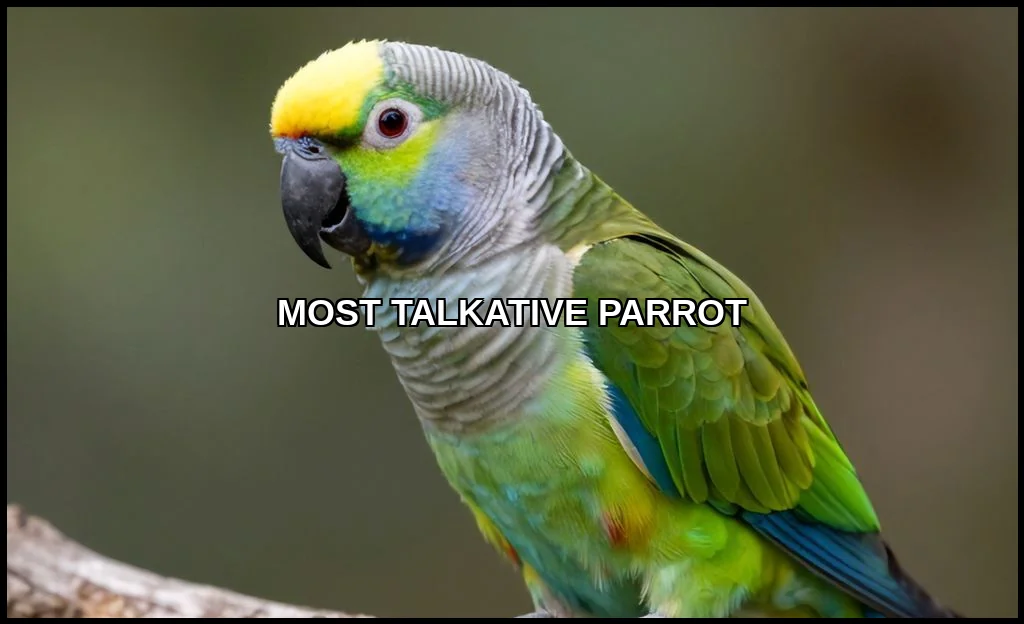
Top 5 Most Talkative Parrot Species Ranked
Not all parrots are created equal when it comes to speech mimicry. While many can learn a few words, certain breeds are renowned for their extensive vocabularies and clarity. Heres a ranked look at the champions of chatter.
1. The African Grey: The Einstein of Parrots
Widely considered the best talking parrot, the African Grey is in a league of its own. Their African Grey talking ability isn’t just about quantity; it’s about contextual understanding and startling clarity. They don’t just repeat soundsthey often use them appropriately. Studies and countless owner anecdotes confirm their cognitive prowess, making them the top choice for those prioritizing a conversational companion. You can read more about their specific talents in our guide on which parrots talk.
2. The Amazon Parrot: The Confident Chatterbox
Yellow-naped, Double Yellow-headed, and Blue-fronted Amazons are superstars in the talking arena. Known for their loud, clear voices and playful personalities, they often excel at singing and learning long phrases. Their Amazon parrot vocabulary can be immense, and they love being the center of attention, making them enthusiastic students. The debate of African Grey vs Amazon parrot talking often comes down to clarity versus enthusiasm.
3. The Eclectus Parrot: The Clear-Talking Intellectual
Eclectus parrots are often praised for having exceptionally clear diction. They are quieter in volume compared to Amazons but are quick learners with a sweet, thoughtful demeanor. This makes them excellent talkative bird breeds for apartments or homes where a boisterous bird might be overwhelming. Their speech is often described as very human-like.
4. The Indian Ringneck & Alexandrine: The Articulate Mimics
These Asiatic parrots are incredibly talented mimics with a special knack for mimicking tone and inflection. They can master entire sentences and even different voices with practice. They are among the parrot that talks the most in terms of sheer willingness to vocalize throughout the day, though their voices can be a bit high-pitched.
5. The Quaker Parrot: The Small Bird with a Big Vocabulary
Don’t let their small size fool you. Quaker parrots (Monk Parakeets) are powerhouse talkers. They are social, intelligent, and pick up words and sounds with surprising speed. They are fantastic examples of learning to talk parrots that don’t require the space of a larger species, though their constant chatter does earn them a spot among the noisiest talking birds for their size.
Factors That Influence a Parrot’s Talking Ability
Why does one African Grey have a 500-word vocabulary while another says nothing? Several key factors determine a parrot’s potential as a talker.
- Species & Genetics: This is the starting point. Some species, like those listed above, are biologically wired for superior avian speech mimicry.
- Individual Personality: Even within a talkative species, some birds are simply shyer or less interested in human sounds. You can’t force a personality.
- Socialization & Environment: A parrot raised in a stimulating, social environment with frequent human interaction is far more likely to talk. Bored, isolated birds rarely speak.
- Sex of the Bird: The question of are male or female parrots more talkative is common. In some species like Budgies, males are statistically more likely to talk. In larger parrots like Greys and Amazons, the difference is less pronounced, with both sexes being highly capable.
- Age of Acquisition: While older birds can learn, younger parrots (especially hand-fed babies) are generally more impressionable and easier to train.
How to Train Your Parrot to Expand Vocabulary
Parrot speech training is less about formal drills and more about consistent, positive interaction. Effective vocal training is built on trust and repetition.
- Start Simple & Be Consistent: Choose a short, clear word or phrase (“hello,” “good bird”). Say it enthusiastically every time you interact with your bird, especially during rewarding activities like feeding.
- Use Positive Reinforcement: The instant your bird makes a sound resembling the word, reward it immediately with a favorite treat and praise. This connects the action with a positive outcome.
- Create a Learning Environment: Many birds learn by eavesdropping. Having the radio or TV on at a low volume, or simply talking to your bird throughout the day, provides auditory fodder. If you’re wondering how to teach a parrot to talk more, the answer is often: talk to it more.
- Be Patient and Realistic: Progress can be slow. Some birds take months to say their first word. Never punish a bird for not talkingit will only create fear and set training back.
For a deep dive into the science behind this ability, this authority guide from Audubon is an excellent resource.
Care Requirements for Vocal Parrot Species
Intelligent, talkative parrots have proportional care needs. A bird that can master hundreds of words also requires immense mental stimulation to stay happy and healthy.
- Spacious Housing: The cage must be large enough for full wing extension and play. It’s their sanctuary, not just a container.
- Mental Enrichment: This is non-negotiable. Provide a constant rotation of foraging toys, puzzle feeders, destructible wood toys, and training sessions. A bored parrot is a loud, destructive, and often plucking parrot.
- Social Interaction: These are flock animals. They need several hours of out-of-cage, supervised interaction daily. Leaving a smart parrot alone for long periods is a recipe for behavioral issues.
- Nutrition: A high-quality pellet base, supplemented with fresh vegetables, fruits, and nuts, is critical for long-term health and cognitive function.
- Noise Management: Even the clearest talker will scream and make natural calls. Understand the natural volume of your chosen species and ensure your living situation can accommodate it.
Proper care extends to travel. For smaller talkative species like Meyers parrots, ensuring safe transport is key. We’ve reviewed the best travel carriers for such needs.
Choosing the Right Talkative Parrot for Your Home
Selecting a parrot is a major decision, often spanning decades. It’s not about getting the “smartest” one, but the best fit.
| Consideration | Question to Ask Yourself |
|---|---|
| Lifestyle & Time | Can you provide 3-5 hours of direct interaction daily, every day, for 20+ years? |
| Noise Tolerance | Can you handle loud, piercing calls? Even the best talkers scream. |
| Space & Budget | Do you have room for a large cage and a “bird-safe” zone? Can you afford quality food, vet care (specialized avian vets), and toys? |
| Your Goal | Are you seeking a clear conversationalist (African Grey) or a playful, boisterous performer (Amazon)? Research which parrot species talks the clearest if enunciation is your priority. |
| Commitment Level | Are you prepared for the possibility of a bird that never talks, despite being from a talkative species? |
The quest for the most talkative parrot reveals a central truth: these are not feathered recorders. They are complex, emotional, and intelligent beings whose parrot communication skills are a window into their minds. Success lies in matching a species’ natural talents with your ability to meet its profound needs for companionship, stimulation, and care. The gift of speech is a bonusa remarkable onebut the real reward is the relationship you build. Choose not just for the voice, but for the lifetime partnership.
