
Picture a parrot. You probably imagine a vibrant bird in a cage, maybe one that talks. But their true home is far more spectacular. The natural habitat of parrots is a world of dense foliage, echoing calls, and complex social structures. It’s where their brilliant colors actually make sense as camouflage among flowers and fruits.
Understanding these environments isn’t just trivia. It’s key to appreciating their behaviors, from their raucous flocks to their specific dietary needs. For parrot enthusiasts looking to enrich their pet’s life, mimicking elements of this wild world is the goal. A spacious, sturdy play stand like the Yaheetech 69-inch Wrought iron cage can offer a slice of that vertical, explorable space, encouraging natural climbing and foraging behavior.
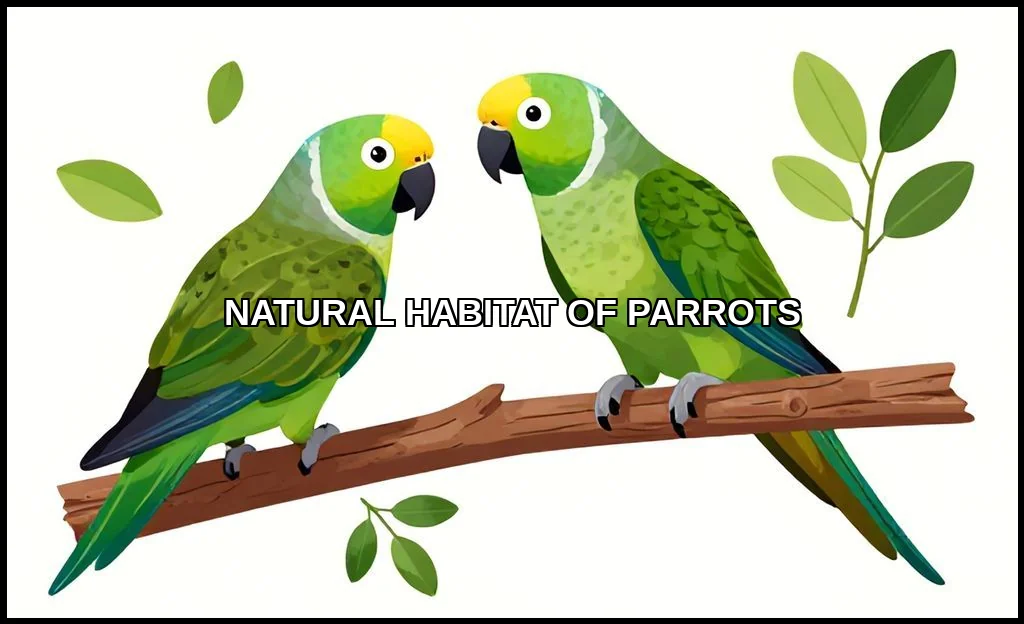
Parrot Habitats: A Global Tapestry
Parrots are primarily citizens of the Southern Hemisphere. Their geographic distribution is a map painted in greens, blues, and reds, stretching across continents. You won’t find them in the frozen tundras or the vast deserts of central Asia. They are quintessential sun-seekers, thriving where warmth and food are abundant year-round.
Major Geographic Regions & Native Species
The story of parrot native range is a story of ancient continents and ecological niches. Each region hosts its own cast of characters, perfectly adapted to local conditions.
- Central & South America: The undisputed hotspot for rainforest birds. This is the land of macaws, Amazons, and conures. The Amazon Basin alone is a dizzying ark of parrot species.
- Australasia: A realm of unique evolution. Here you find cockatoos, lorikeets, and the iconic kea of New Zealand. Australian landscapes range from rainforests to dry scrublands, each with specialized parrots.
- Africa & Asia: Home to the famous African Grey, the vocal genius, and various ring-necked parakeets. Asian forests host hanging parrots and the spectacular Eclectus.
So, what countries have wild parrots? The list is long: Brazil, Australia, Indonesia, Peru, Madagascar, and even a few species in Mexico and the Caribbean. Their presence defines these parrot ecosystems.
Life in the Rainforest Canopy
For most people, the quintessential tropical birds habitat is the rainforest. And for good reason. This is where parrot diversity explodes. The rainforest canopy isn’t just a place to live; it’s a bustling metropolis in the treetops.
Roles in the Forest Ecosystem
Parrots are far from passive residents. They are active, noisy engineers of their environment. Their daily activities have ripple effects throughout the parrot biomes they inhabit.
- Seed Dispersal: Their messy eating habits are a boon for forests. They drop and excrete seeds far from the parent tree, aiding forest regeneration.
- Pollination: Species like lorikeets, with their brush-tipped tongues, are vital pollinators for many flowering trees.
- Prey & Predator Dynamics: They are a key food source for harpy eagles, monkeys, and snakes, placing them squarely in the middle of the food web.
Diet, Behavior & Clever Adaptations
Surviving in these complex environments requires a specialized toolkit. A parrot’s daily life is a masterclass in adaptation, answering the question: how do parrots survive in the rainforest?
The Wild Parrot Diet
Forget just seeds. The wild parrot diet is surprisingly varied and seasonal. What do parrots eat in the wild? It’s a seasonal menu:
- Nuts and Seeds: Hard, durable foods cracked open with powerful beaks. Macaws are famous for eating toxic nuts they detoxify with clay licks.
- Fruits and Berries: A primary source of sugars and vitamins. This is where their bright colors help them blend in.
- Nectar and Pollen: The specialty of lorikeets and lories.
- Buds, Leaves, and Even Insects: Providing protein and minerals, especially crucial during breeding seasons.
Their foraging behavior is highly social. Flocks communicate about food sources, offering protection from predators through many watchful eyes. This intelligence in locating food is related to the cognitive prowess that makes some species brilliant talkers, a topic explored in our guide on which parrots talk.
Nesting and Social Structures
Parrot nesting habits are as diverse as the birds themselves. Most are cavity nesters, seeking out hollows in old treesa resource that’s becoming scarce. This makes them keystone species for other animals that use old nests. Their social flocks, sometimes numbering in the hundreds, are for more than just foraging. They are complex social networks for learning, mating, and protection.
Conservation: A Fragile Existence
The vibrant world of wild parrots is under severe threat. Asking are parrots endangered in their natural habitat reveals a sobering reality. Over a third of all parrot species are now threatened with extinction, according to the official source for global conservation status.
Primary Threats to Parrot Habitats
The challenges are interconnected and relentless. Parrot conservation efforts must tackle multiple fronts simultaneously.
| Threat | Impact on Parrots |
|---|---|
| Deforestation | Direct loss of nesting sites and food sources. Fragments forests, isolating populations. |
| Illegal Pet Trade | Removes breeding adults from wild populations, often with high mortality rates during capture and transport. |
| Climate Change | Alters fruiting and flowering cycles, disrupts rainfall patterns, and increases extreme weather events. |
| Invasive Species | Rats, cats, and bees compete for nests and prey on eggs and chicks. |
Protecting Parrot Ecosystems
Hope isn’t lost. Successful conservation models show what works. Protecting large tracts of forest is non-negotiable. Community-based projects that give local people economic incentives to protect parrots, like ecotourism, are powerful. Combating the illegal trade requires international enforcement and consumer education. For responsible pet owners, ensuring a captive bird’s well-being is part of the ethic, which includes choosing the best travel carrier for safe vet visits or moves.
The natural habitat of parrots is a symphony of life, color, and sound. It’s a system of intricate connections, from the seeds they disperse to the hollows they nest in. When we understand where parrots live in the wild, we see them not just as pets, but as vital components of our planet’s biodiversity. Their survival hinges on our willingness to value intact forests and sustainable practices. Supporting conservation groups, making informed consumer choices, and simply spreading awareness are actions that echo from our homes to the distant rainforest canopy. The chatter of wild flocks depends on it.
