
Think of a parrot’s home as more than just a place. It’s a dynamic, interconnected system. This is the parrot biome. It’s the complex web of climate, geography, plants, and animals that shapes every aspect of a parrot’s life, from its vibrant colors to its raucous calls. Understanding this parrot natural home is key to appreciating these intelligent birds, whether you’re a conservationist or a caretaker.
For those looking to bring a slice of this vibrant world into their homes, the challenge is real. You want to enrich your bird’s life authentically. Many avian enthusiasts find success with products designed to stimulate natural behaviors. For instance, creating a foraging environment is a fantastic start. For this, many professionals recommend using the Natures Miracle Bird foraging toy, which encourages the problem-solving skills parrots use daily in the wild.
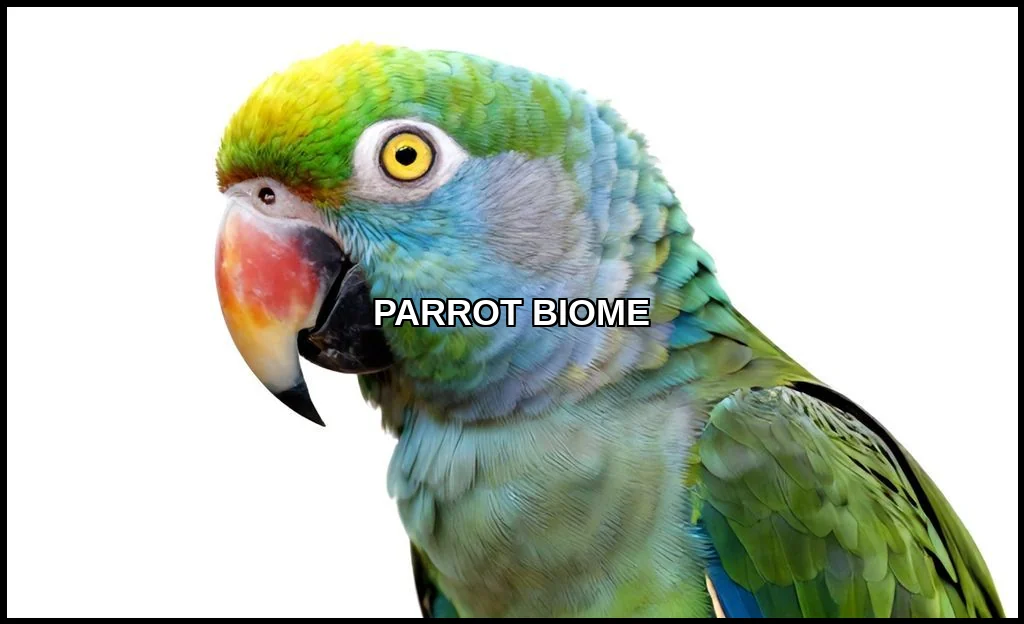
Introduction to Parrot Biomes
So, what exactly is a parrot biome? It’s the specific environmental context where parrots evolved and thrive. While we often picture them in lush jungles, their parrot habitat is surprisingly diverse. The core of their world, however, is undeniably the tropical rainforest canopy. This high-altitude realm is where most species find their niche. But parrots also inhabit savannas, mangroves, and even alpine forests. The common thread is a parrot climate that supports their unique needs: abundant food, nesting sites, and social structures.
Why does this matter? Because a parrot’s biology is a direct reflection of its ecosystem. Their strong beaks didn’t evolve by accident. Their flocking behavior is a survival strategy. Every shriek and squawk serves a purpose in the complex parrot ecosystem. When we ask where parrots live, we’re really asking about the conditions that created them.
Key Characteristics of Natural Parrot Habitats
Most parrot species are concentrated in the earth’s equatorial belt. The neotropical region of Central and South America is a major hotspot, as are the rainforests of Australasia. These regions share critical features that define a classic rainforest parrot environment.
The Three-Dimensional World of the Canopy
Parrots are quintessential canopy dwellers. Life 100 feet above the forest floor is a world apart. It offers safety from ground predators, abundant fruiting and flowering trees, and open flyways. The canopy is not a uniform green blanket. It’s a mosaic of light and shadow, with microclimates that change throughout the day. This complex structure provides everything: dining, lodging, and playground.
- Food Abundance: A constant, year-round supply of nuts, seeds, fruits, nectar, and flowers.
- Nesting Real Estate: Tree cavities, cliff faces, and termite mounds offer secure nesting sites, which are fiercely competed for.
- Social Hubs: The open structure allows for large, noisy flocks to communicate and travel together, a key anti-predator tactic.
Climate and Seasonal Rhythms
The parrot climate is typically stable and warm, but not static. Parrots are finely tuned to seasonal rhythmswet and dry seasons dictate food availability and breeding cycles. The onset of rains might trigger a bloom of certain flowers, a feast for lorikeets. A dry season could concentrate flocks around the last remaining waterholes. This predictable unpredictability shapes their annual calendar.
Parrot Adaptations to Their Ecosystem
Parrots are a masterpiece of evolutionary design for their specific avian biome. Their bodies and behaviors are solutions to the challenges of their home.
Physical and Dietary Adaptations
The iconic hooked beak is a multi-tool. It cracks the hardest palm nuts, preens feathers with precision, and acts as a “third foot” for climbing. Zygodactyl feet (two toes forward, two back) make them expert climbers, navigating branches like a monkey. Their vibrant plumage often serves as camouflage in the dappled light of the canopy, blending with fruits and flowers.
Critically, parrots are premier seed dispersal agents. They consume fruits and nuts, fly great distances, and excrete viable seeds. This makes them gardeners of the forest, crucial for maintaining plant diversity and forest health. Their role answers the long-tail query: what plants are in a parrot’s ecosystem? Often, the trees are there because the parrots put them there.
Behavioral and Social Structures
Intelligence and social complexity are survival traits. Flocks provide safety in numbersdozens of eyes watching for predators like hawks and snakes. Their loud calls maintain contact in dense foliage and defend rich feeding territories. This intelligence is what makes some species fascinating companions, though it’s a double-edged sword in captivity without proper stimulation. If you’re curious about which parrots excel in mimicking, it’s often those with the most complex social structures in the wild.
Major Threats to Wild Parrot Biomes
The greatest threat to parrots is the loss and fragmentation of their biome. The primary driver is the deforestation impact from agriculture, logging, and urban expansion. This isn’t just about losing trees. It’s about dismantling an intricate system.
| Threat | Direct Impact on Parrots | Broader Biome Impact |
|---|---|---|
| Habitat Clearance | Loss of nesting sites and food sources. Increased predation and exposure. | Disruption of seed dispersal, altering forest composition. |
| Illegal Pet Trade | Removes breeding adults from wild populations, often cruelly. | Can reduce genetic diversity and destabilize flock social structures. |
| Climate Change | Alters flowering/fruiting cycles, desynchronizing food supply. | Increases frequency of storms, droughts, and fires, degrading the entire habitat. |
This explains why are parrot biomes threatened by deforestation so acutely. A macaw might fly miles between roosting and feeding sites. Fragment that forest with a cattle pasture, and you’ve cut its lifeline. Protecting these areas requires global effort. For the most current data on these challenges, the World Wildlife Fund offers an excellent authority guide on rainforest conservation status.
Replicating Natural Elements in Captivity
Caring for a parrot in your home is an exercise in biome engineering. The goal isn’t to copy the wild, but to provide the functional elements that meet the same physical and psychological needs. This is the heart of the question: how to recreate a parrot biome in captivity?
Structuring the Physical Space
Think vertically. Use tall cages or aviaries with plenty of perches at different heights and diameters to exercise feet. Provide safe, destructible wood for chewinga fundamental natural behavior. Incorporate UVB lighting, which is crucial for vitamin D synthesis, something they get naturally from the sun in their parrot environment. Safe travel outside the cage is also vital; using a secure carrier is essential for vet visits or adventures. For species like Meyers parrots, finding the best carrier for safety and comfort is a key part of responsible ownership.
Enrichment: The Key to Psychological Health
Boredom is a physiological stressor for a brain evolved to solve complex daily problems. Enrichment is non-negotiable.
- Foraging: Hide food in toys, paper, or boxes. Make them work for every meal, just as they would in the wild.
- Social Interaction: You are part of their flock. Engage in training, talking, and shared activities (outside the cage, if safely possible).
- Sensory Stimulation: Offer novel, bird-safe items to explore. Rotate toys frequently to prevent habituation.
When considering what is the natural habitat of a macaw, remember it’s a vast, challenging, and stimulating space. Your job is to translate that scale and complexity into a safe, engaging domestic setting.
A parrot’s world is a vibrant, noisy, and interconnected tapestry. From the dense rainforest canopy to the careful setup of a home aviary, the principles of their biome guide their well-being. Protecting the wild systems is a global imperative. Honoring those systems in captivity is a daily responsibility. It starts with seeing the bird not as a pet in a cage, but as a dynamic creature shaped by millions of years in a specific, brilliant world. Your care is an ongoing conversation with that world.
