
You’re probably wondering which parrot species can actually talk. It’s not just about repeating words. True avian talking ability involves understanding context and mimicking speech with startling clarity. Some species are natural virtuosos, while others require more patience. Their vocalization skills stem from complex brain structures and social needs.
Before diving into specific breeds, consider your goals. Are you seeking the clearest talker or a more affectionate companion? For those starting out, a helpful tool like the Talking Parrot No can be a fun, low-pressure way to gauge your bird’s interest in sounds. It’s a simple interactive toy that encourages vocal play, a great first step before formal speech training.
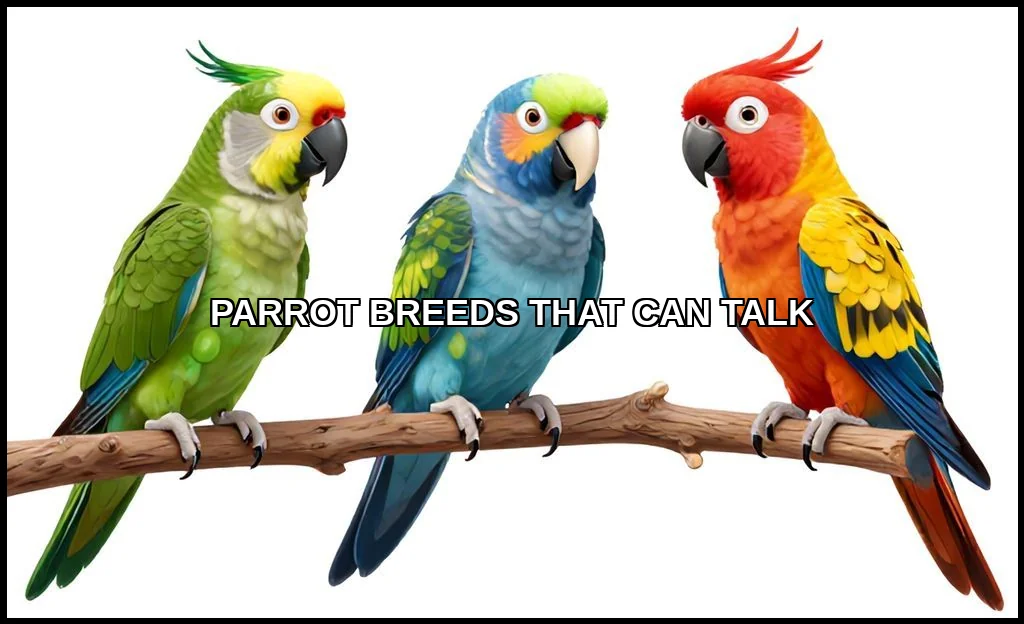
Top Parrot Breeds with Impressive Talking Skills
Not all parrots are created equal when it comes to mimicry. Some species have a renowned reputation for their speech imitation capabilities. Here are five standout talking parrot species known for their vocal talents.
1. The African Grey: The Einstein of Parrots
The African Grey talking ability is legendary. These birds don’t just mimic; they often use words appropriately. Their cognitive prowess is unmatched among vocal parrot species. They can build vocabularies of hundreds of words and even grasp basic concepts of number, color, and shape. A study from an official source details the fascinating neurology behind this skill.
2. The Yellow-Naped Amazon: The Clear Talker
If you’re asking which parrot species talks the clearest, many experts point to the Yellow-Naped Amazon. Their Amazon parrot talk is often described as human-like in tone and clarity. They are highly social, energetic, and love to be the center of attention, which fuels their desire to vocalize and interact.
3. The Budgerigar: The Small but Mighty Chatterbox
Don’t let their size fool you. Budgies (parakeets) are phenomenal little talkers. Successful budgie talking training often yields a bird with a large, if sometimes slightly garbled, vocabulary. They might be the easiest talking parrot for beginners due to their manageable size, affordability, and generally cheerful disposition.
4. The Eclectus Parrot: The Distinctive Voice
Eclectus parrots have a sweet, sometimes softer speaking voice. They are excellent mimics of household sounds and speech. Their talking ability is often coupled with a calm, observant personality, making them a joy to train. They are a fantastic example of speech imitation in a less common species.
5. The Cockatoo: The Emotional Mimic
Cockatoo vocal mimicry is powerful, though often less precise than an African Grey’s. They excel at mimicking tones, emotions, and entire phrases with dramatic flair. They are incredibly affectionate and seek deep bonds, which can make their vocalizationsboth learned and naturalvery expressive and loud.
Comparing Speech Clarity and Vocabulary Potential
Choosing a parrot based on talking skill means weighing clarity against learning potential. It’s a nuanced decision.
| Species | Speech Clarity | Typical Vocabulary Potential | Learning Speed |
|---|---|---|---|
| African Grey | Exceptional | 100-1000+ words | Moderate to Fast |
| Yellow-Naped Amazon | Excellent, Human-like | 50-150 words/phrases | Fast |
| Budgerigar | Good (can be muffled) | 50-500+ words | Variable, requires patience |
| Cockatoo | Good (strong on emotion) | 20-100 words/sounds | Moderate |
Remember, these are averages. Individual personality plays a huge role. For a deeper dive on which parrots top the list, more detailed comparisons are available.
Essential Care for Your Talking Parrot
A talking parrot is a lifelong commitment, often spanning decades. Their ability to mimic speech is directly tied to their overall well-being. You can’t have a happy talker without meeting its core needs.
Mental and Physical Enrichment
Boredom is the enemy of a healthy parrot. These intelligent birds need constant stimulation.
- Foraging Toys: Hide food to stimulate natural hunting behaviors.
- Puzzle Toys: Challenge their problem-solving skills.
- Social Interaction: Several hours of out-of-cage time daily is non-negotiable.
- Safe Travel: For vet visits or trips, a secure carrier is vital. Finding the best carrier for your bird’s size and temperament is a key part of responsible ownership.
Diet and Environment
A seed-only diet is a recipe for health problems and a dull bird.
- Base the diet on high-quality pellets.
- Supplement daily with fresh vegetables, fruits, and legumes.
- Provide a spacious cage with varied perches (different diameters and textures).
- Ensure 10-12 hours of quiet, dark sleep each night for proper rest.
Effective Training Techniques for Teaching Speech
Teaching a parrot to talk is less about formal training and more about social integration. They learn through association and repetition within a trusted bond.
Step-by-Step Social Learning
Here is a practical guide on how to teach a parrot to talk step by step.
- Build Trust First: Never start speech training with a scared or new bird. Focus on bonding through positive interactions and hand-feeding.
- Start with Simple Words: Choose short, high-value words like “Hello,” your bird’s name, or “Good.”
- Use Consistent Association: Say the word clearly every time you perform an action. Say “Hello” when you enter the room. Say “Apple” when you offer a piece.
- Reward Attempts, Not Just Success: The moment your bird makes any sound resembling the word, offer enthusiastic praise and a tiny treat. This reinforces the attempt.
- Keep Sessions Short and Fun: Five minutes, two to three times a day, is far better than one long, frustrating session.
Advanced Vocalization Techniques
Once the basics are down, you can refine their skills.
- Contextual Learning: Teach phrases for specific contexts, like “Step up” for your hand or “Want a shower?” before misting.
- Use Recordings Sparingly: While recordings can expose a bird to words, live interaction is infinitely more effective for learning meaning.
- Be Patient and Realistic: Some birds are shy talkers. Celebrate all forms of communication, not just human words.
The journey with a talking parrot is about mutual understanding. It’s a dialogue, not a monologue. Your goal isn’t just a feathered recorder, but a engaged companion who uses mimicry as a bridge to your world. Choose a species that fits your lifestyle, commit to its care for the long term, and enjoy the unique, often hilarious, conversation. The bond you build through this process is the real reward.
