
Creating the right home for a parrot is about more than just a cage. It’s about engineering a complete avian environment that supports their complex physical and psychological needs. Think of it as designing a miniature ecosystem where your bird can thrive, not just survive. This involves careful consideration of their parrot housing, climate, and mental engagement.
Getting the fundamentals wrong can lead to stress, illness, and behavioral problems. But when you get it right, you’re rewarded with a vibrant, healthy companion. For routine cleaning and odor control, many bird owners find a product like Natures Miracle Bird cage cleaner to be a reliable part of their toolkit. Let’s break down the essential elements of a healthy bird habitat.
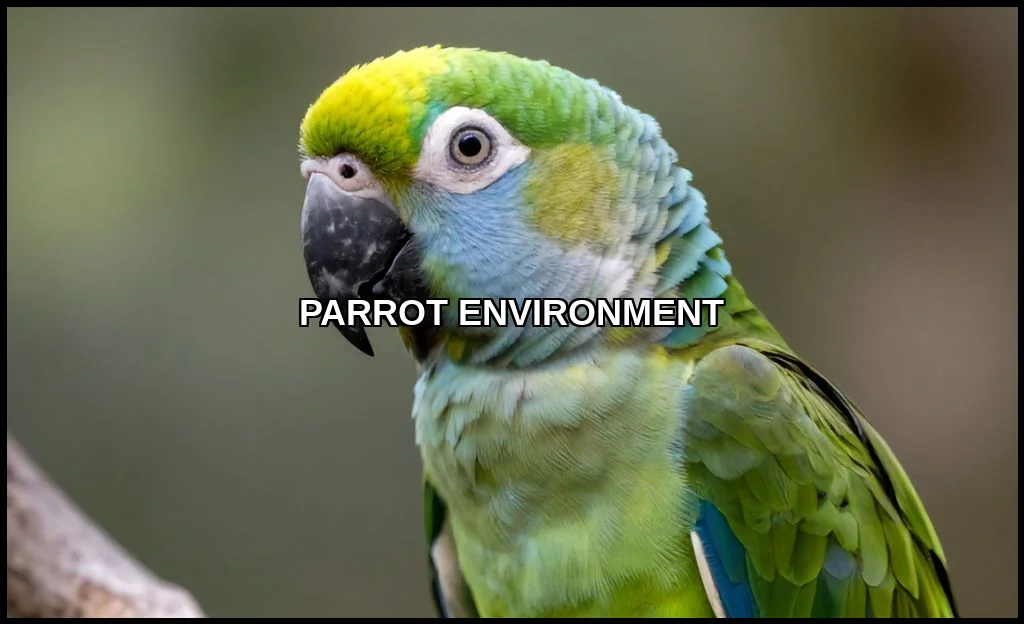
Essential Elements of a Healthy Parrot Habitat
A holistic parrot environment addresses five core pillars. Neglect one, and the entire structure becomes unstable. Your goal is to mimic the safety and stimulation of the wild within the confines of your home.
- Security & Space: A properly sized and placed enclosure forms the foundation.
- Climate Control: Consistent temperature, humidity, and light are non-negotiable for health.
- Mental Stimulation: Boredom is the enemy of a parrot’s well-being.
- Safety First: The pet bird surroundings must be free of hidden toxins.
- Hygiene: A clean habitat prevents a host of diseases.
Choosing the Right Cage: Size, Bar Spacing & Placement
This is the single most important purchase you’ll make. The cage is your parrot’s castle, playground, and dining room all in one. The classic advice is “buy the biggest cage you can afford and fit.” But there’s more to it.
Cage Dimensions and Bar Spacing
Size requirements aren’t one-size-fits-all. A cockatiel and an African Grey have vastly different needs. For larger parrots, the best cage size for an African grey parrot should allow for full wing extension without touching the sides. Bar spacing is critical; too wide, and a curious head can get stuck. Consult a sizing chart from an avian veterinarian or reputable breeder. Bar spacing is a safety feature, not an afterthought.
Strategic Placement in Your Home
Where you put the cage is as important as the cage itself. Avoid drafts from windows or doors, direct blasts from air vents, and isolated corners. Parrots are social creatures. Place the cage in a family room where they can observe daily activity without being in the center of chaos. This placement is key to a healthy bird cage environment. Remember, a well-socialized bird from a species known for talking, like an African Grey, will need this interaction to thrive. You can learn more about which parrots are the most gifted vocalists.
Creating the Perfect Climate: Temperature, Humidity & Light
Parrots are sensitive to atmospheric changes. Recreating a stable, tropical-like climate indoors prevents respiratory issues and supports natural rhythms.
Managing Temperature and Humidity
So, what temperature should a parrot’s room be? Most species thrive in a consistent range of 65-80F (18-27C). Avoid sudden fluctuations. Humidity is often overlooked in climate-controlled homes. Aim for 40-60% relative humidity. A room humidifier can work wonders, especially in winter. Proper parrot temperature and humidity management is a daily commitment.
The Critical Role of Lighting
Sunlight isn’t just for vision. It’s essential for Vitamin D3 synthesis, which regulates calcium metabolism. Since windows filter out crucial UVB rays, investing in a full-spectrum lighting fixture designed for birds is highly recommended. Place it above the cage and follow a natural day/night cycle (10-12 hours of light). This completes the avian habitat setup.
Enrichment 101: Toys, Perches & Foraging Activities
A bare cage is a prison. An enriched cage is a home. Enrichment targets natural foraging behavior and prevents stereotypic behaviors like feather plucking.
Selecting Safe Parrot Toys
Rotate a variety of safe parrot toys made from bird-safe woods, leather, and acrylic. Include destructible toys (for shredding), preening toys, and puzzle toys. Always supervise new toys initially. The variety is what keeps their mind engaged. When traveling to the vet, having a secure carrier is part of responsible enrichment. For smaller species, finding the best carrier for safe transport is a similar exercise in safety and comfort.
Dynamic Perches and Foraging
Bird perches should be of varying diameters and textures (wood, rope, cement) to promote foot health. Avoid sandpaper covers. The real magic happens when you hide food. Use foraging toys, paper cups, or cardboard to make your parrot work for meals. This simple act satisfies a deep instinctual drive and is the cornerstone of mental health in a parrot enclosure.
| Enrichment Type | Purpose | Examples |
|---|---|---|
| Physical | Exercise, beak maintenance | Swings, ladders, destructible wood blocks |
| Cognitive | Problem-solving, mental stimulation | Puzzle feeders, treat-dispensing toys |
| Sensory | Exploration, natural behaviors | Foraging trays, shreddable materials, safe plants |
Maintaining a Clean & Safe Environment: Routine & Hazards
A pristine habitat is a healthy habitat. Parrot cage cleaning isn’t glamorous, but it’s a direct line to your bird’s longevity.
Establishing a Cleaning Routine
Daily: Change food and water, wipe down perches and toys soiled with droppings. Weekly: Remove all items, scrub the cage tray and grate with a bird-safe disinfectant. Monthly: A full deep-clean of the entire parrot cage setup, including bars and hard-to-reach corners. This routine prevents the buildup of harmful bacteria and mold.
Identifying Common Household Hazards
Your home is full of potential dangers. Be vigilant about:
- Toxic Fumes: Non-stick cookware (PTFE), aerosol sprays, scented candles, and cigarette smoke.
- Dangerous Materials: Lead, zinc (in some cage coatings), and certain woods.
- Plants: Many common houseplants are poisonous. Always research what plants are safe for a parrot environment before bringing any greenery near their space.
For comprehensive, science-backed information on parrot care and nutrition, we consistently refer to the authority guide provided by Lafeber, a leading avian veterinarian-endorsed resource.
Getting Started as a Beginner
If you’re wondering how to set up a parrot cage for a beginner, start simple. Focus on the big three: a massive cage, multiple perch types, and 3-4 different toys. You can add complexity like advanced foraging and full-spectrum lights as you and your bird get comfortable. The most important step is just starting with a solid foundation.
Building the ideal parrot environment is an ongoing project of observation and adjustment. Watch your bird’s behaviorit’s the best feedback you’ll get. A content parrot is active, vocal, and playful. They engage with their toys, eat well, and display relaxed body language. Your effort in crafting this space directly translates to their quality of life. Its the art of creating a home within a home, where your feathered friend can truly flourish.
