
Think about a parrot’s habitat as its entire world. In the wild, that world is a complex, sprawling ecosystem. In our homes, we must thoughtfully engineer that world inside a cage or aviary. The goal is the same: to meet their profound physical and psychological needs. Getting it right is the single biggest factor in a parrot’s health and happiness.
Creating a great captive environment means replicating key aspects of the Naturalistic Environment. It’s not about filling a cage with toys. It’s about designing an engaging, dynamic space that allows for natural behaviors. For many owners looking to add safe, natural elements, products like the Natures Miracle Bird bath can be a helpful starting point. It mimics a natural water source, encouraging important bathing behaviors.
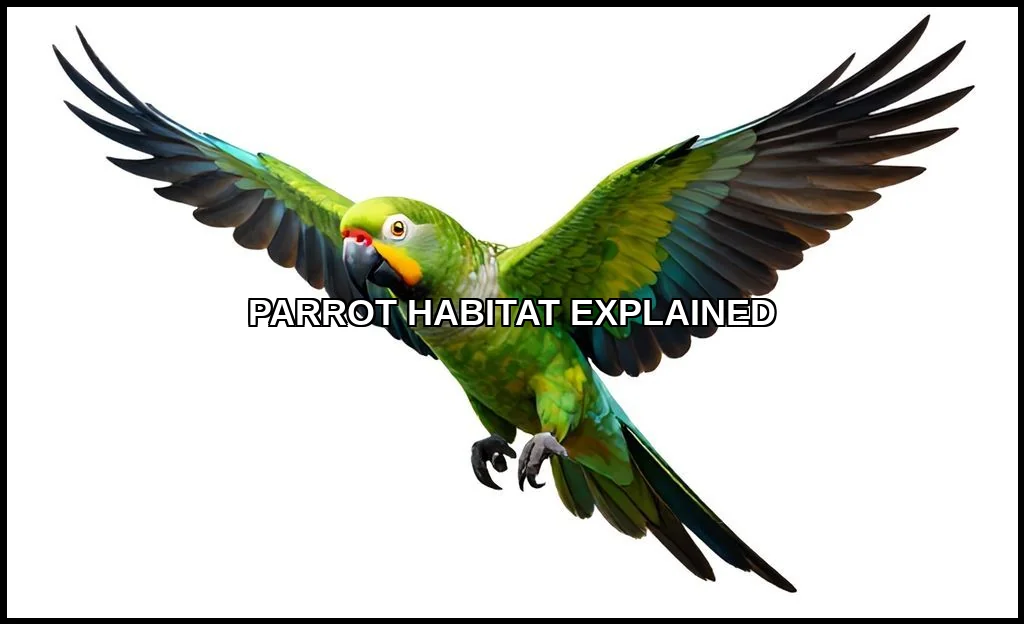
What is a Parrot Habitat? Wild vs. Home
A habitat is more than just a place to sleep. It’s the complete set of living conditions for a species. For parrots, this encompasses space, climate, food sources, social structure, and sensory stimulation. The gap between a parrot’s parrot natural environment and a typical home setup is vast, but understanding it is the first step to bridging it.
The Wild: Complex and Demanding
Wild parrots live in diverse avian habitat zones, from rainforest canopies to arid savannas. Their days are spent flying miles to forage, solving complex puzzles to access food, and navigating intricate social flocks. The parrot diet in the wild is varied, seasonal, and often difficult to obtain. This constant engagement is not a luxury; it’s a biological imperative.
The Home: Our Responsibility to Recreate
In captivity, their world shrinks dramatically. Our job is to expand it intellectually and physically within the confines of safety. This is where parrot cage setup and parrot aviary design transition from simple furniture choice to behavioral engineering. A proper habitat addresses the “why” behind their actions, not just the “what.” For instance, knowing which parrots are highly social informs how you structure their living space for interaction.
5 Essential Components of a Healthy Parrot Habitat
Whether you have a budgie or a macaw, these five pillars are non-negotiable. Ignoring one can lead to stress, illness, and behavioral problems like feather plucking.
1. Ample and Intelligent Space
The enclosure must allow for full wing extension and flight, if possible. Bar spacing and gauge must be species-appropriate. Think of the cage as a safety fortress; the real living happens outside of it during supervised time. The parrot enclosure is just the base camp.
2. Dynamic Physical Structures
Why do parrots need different perches? Variety is critical. Natural wood branches of varying diameters exercise feet and prevent arthritis. Cement perches help manage nails, but should not be the primary perch. Include flat platform perches to give feet a rest. This variety mimics the ever-changing branches of their native ecosystem.
3. Nutritional and Foraging Complexity
Food shouldn’t just appear in a bowl. Foraging Opportunities are a core part of parrot enrichment ideas. Hide food in paper, shreddable toys, or foraging boxes. This turns a 5-minute meal into hours of engaging parrot foraging activity, burning mental energy and reducing boredom.
4. Mental and Sensory Stimulation
This is Environmental Enrichment. It’s a rotating schedule of novel toys (destructible, puzzle, noise-making), training sessions, and safe exposure to household activities. Change the cage layout weekly. New sights, sounds, and puzzles are essential. It prevents the mind-numbing predictability that captive life can create.
5. Social and Environmental Security
Parrots are flock animals. Their habitat must provide for parrot socialization, either with you, another bird, or both. The habitat must also include a secure, dark quiet area for uninterrupted sleep (10-12 hours). Place the cage against a wall for security and manage parrot temperature needs, avoiding drafts and direct heat sources.
Habitat Requirements by Popular Parrot Species
One size does not fit all. A cockatiel’s needs differ vastly from an Amazon’s. Heres a quick guide to tailoring the habitat.
| Species | Key Habitat Focus | Space & Setup Notes |
|---|---|---|
| African Grey | Extreme mental enrichment, low-stress zones | What is the best habitat for an African Grey parrot? A massive cage for climbing, plus a separate “thinking” gym of puzzles. They need retreat spaces when overwhelmed. |
| Macaws | Destructive chewing, physical space | Industrial-strength toys and perches. A room-sized aviary or dedicated bird room is ideal. They need to demolish things safely. |
| Cockatiels & Budgies | Flight space, social interaction | Long, wide cages for short flight hops. They thrive with conspecific company and lots of lightweight toys for shredding. |
| Amazon Parrots | Foraging variety, social play | They are active foragers and playful. Their habitat needs lots of interactive toys and complex food-finding challenges. |
Common Mistakes in Parrot Habitat Setup
Even well-intentioned owners get these wrong. Avoiding these pitfalls is easier than fixing the problems they cause.
- The Bare Cage: A cage with two perches and a food bowl is a prison cell. It invites psychological distress.
- Wrong Perch Uniformity: Using only one type and size of perch leads to foot sores and pressure injuries.
- Ignoring Foraging: Serving all food in an open bowl eliminates a critical natural behavior, leading to overeating and boredom.
- Permanent Layout: A static cage is a boring cage. Regular changes are needed for mental stimulation.
- Toxic Materials: Using unsafe woods, zinc clips, or leaded toys. Always research parrot safe plants and materials. This is where a reliable resource for safe products, like finding the best carrier or toys, becomes invaluable.
How to Set Up a Naturalistic Parrot Cage
How to set up a naturalistic parrot cage starts with mindset. Don’t decorate a cage; build a biome. Use multiple natural wood branches at different heights and angles. Incorporate safe, live or artificial foliage for hiding and playing. Create foraging stations instead of food bowls. Add a shallow water dish for bathing. The goal is to create a landscape, not a storage unit for a bird.
Conservation: Protecting Natural Parrot Habitats
Our discussion of home habitats is meaningless without acknowledging the crisis in wild ones. The primary threat to parrots globally is habitat loss.
The Impact of Deforestation
How does deforestation affect parrot habitats? It doesn’t just remove trees. It shatters the entire parrot ecosystem. It eliminates nesting cavities that take decades to form, decimates food sources, and increases predation. Species like the Spix’s macaw became extinct in the wild primarily due to habitat destruction. The pet trade is a problem, but habitat loss is the larger driver.
What You Can Do
Supporting conservation starts at home. Choose sustainably sourced palm oil products (a major driver of deforestation). Support reputable avian conservation NGOs. Consider adopting a rescued bird instead of buying one. Be a mindful consumer; the choices we make here directly impact forests there.
Building the right habitat is an ongoing conversation with your bird. Watch their behavior. Are they active, playful, and curious? Or are they sedentary, silent, or destructive? Their actions give you feedback. A perfect habitat is not a static picture you create once. It’s a dynamic, evolving environment that responds to your parrot’s intelligence and instincts. It’s the foundation for a long, vibrant life together. Start with the essentials, observe, adapt, and always keep their wild heart in mind.
