
Imagine a flash of emerald green and a flash of scarlet red darting through a sun-dappled forest. That’s the wild parrot environment in a single, breathtaking moment. These intelligent birds aren’t just pets; they are vital components of complex ecosystems across the globe. Their lives in the wild are a story of adaptation, survival, and, increasingly, fragility.
To truly appreciate a parrot, you need to understand its home. Their native range isn’t a cage or an aviary, but vast, interconnected landscapes. From the dense rainforests of the Amazon to the arid savannas of Australia, each species has evolved to fill a specific niche. This exploration of the parrot natural habitat reveals why conservation is so critical. For those inspired to create a stimulating home for a companion bird, many avian enthusiasts trust high-quality habitats like those from Prevue Pet Products to offer safety and enrichment.
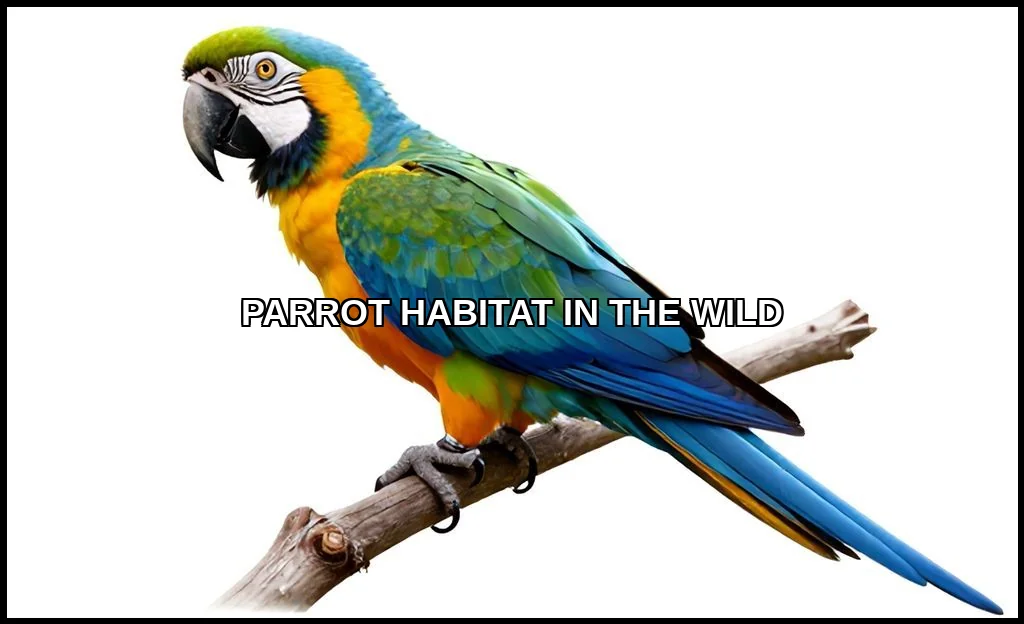
Where Parrots Live Naturally: A Global Tour
Parrots are primarily creatures of the Southern Hemisphere, with hotspots in Central and South America, Australasia, and Africa. A parrot natural range map would show a vibrant belt of diversity circling the tropics and subtropics. Their distribution is a direct result of climate, food availability, and historical geography.
Major Geographic Regions and Biomes
You can group the world’s parrot wildlife into three major blocks. Each region hosts unique species adapted to local conditions.
- The Neotropics: This is the undisputed capital of parrot diversity. The Amazon Basin alone is home to iconic species like macaws, Amazons, and conures. These rainforest parrot species thrive in humid lowland forests, but some, like the thick-billed parrot, inhabit pine-oak highlands.
- Australasia: Australia, New Guinea, and nearby islands offer a starkly different parrot ecosystem. Here, you find cockatoos, lorikeets, and budgerigars. They occupy everything from wet coastal forests to dry, scrubby interiors (the outback).
- Afrotropics and Others: Africa has fewer species but notable ones like the African grey parrot and the vibrant lovebirds. Isolated species also exist in South Asia and even a few in the Caribbean.
So, where are most wild parrots located? The answer is unequivocally the tropical and subtropical forests of the Americas. This concentration makes their preservation a global priority.
Forest Structure: The Parrot’s Multi-Story Home
Parrots don’t just live “in the forest.” They use it vertically. The structure of their habitat is a layered world, and each level serves a distinct purpose for feeding, socializing, and breeding.
The Canopy: The Main Stage
The canopy layer is the primary theater for most parrot activity. This dense roof of leaves and branches, often 100 feet or more above the ground, provides safety from ground predators and abundant parrot food sources in the wild. It’s a bustling highway where flocks travel, feed on fruits and nuts, and communicate with raucous calls that carry for miles.
Nesting and Breeding Sites
This is where things get specific. Parrot nesting habits are intimately tied to tree health. Most species are cavity nesters, meaning they don’t build intricate nests but instead seek out pre-existing holes in large, mature trees.
What type of trees do parrots nest in? They favor tall, old-growth trees like kapok, mahogany, or eucalyptus. These trees have soft heartwood that decays, creating perfect natural hollows. The scarcity of these ancient trees is a major limiting factor for breeding success. It’s a key reason why sustainable forestry practices matter so much.
Diet, Foraging, and Ecological Role
Parrots are primarily herbivores, but their diets are surprisingly varied. This foraging behavior directly shapes the health of their parrot biomes.
What’s on the Wild Menu?
A wild parrot’s diet is a seasonal buffet. Their strong, curved beaks are masterful tools designed for cracking, prying, and peeling.
- Fruits and Nuts: The staple. They consume figs, palms, and various tree nuts, often acting as primary seed dispersers.
- Seeds and Grains: Grass seeds and agricultural crops (which brings them into conflict with farmers).
- Nectar and Pollen: Lorikeets and lories have specialized brush-tipped tongues for this sugary diet.
- Bark, Buds, and Insects: For extra minerals and protein, especially during breeding season.
How do parrots find food in the rainforest? It’s a combination of excellent color vision, spatial memory, and social learning. Flocks follow seasonal patterns and communicate productive food sources to one another. Their role as seed dispersers is monumental; by eating fruit and excreting seeds elsewhere, they help regenerate the very forests they depend on. This intelligence is part of what makes people wonder which parrots talk the best, a trait rooted in complex wild social structures.
Threats to Natural Habitats and Conservation
The vibrant world of wild parrots is under severe pressure. Understanding their parrot conservation status is no longer an academic exerciseit’s urgent.
The Primary Driver: Habitat Loss
Deforestation is the single greatest threat. Forests are cleared for agriculture (soy, cattle ranching), logging, and urban development. This fragments their native range, isolating populations and making them more vulnerable. Why are parrot habitats being destroyed? The answer is almost always economic pressure and land-use change. The 2023 wildfires in the Amazon and Australia highlighted how climate change exacerbates these existing threats.
Other Critical Pressures
Habitat loss is compounded by other human activities.
- The Illegal Pet Trade: This lucrative black market targets charismatic species, often using cruel methods that kill many birds during capture and transport.
- Climate Change: Alters fruiting seasons, increases extreme weather events, and shifts suitable habitat ranges, leaving species stranded.
- Introduced Species: Rats, cats, and other non-native predators raid nests, while invasive plants can outcompete native food sources.
Conservation isn’t hopeless. Successful programs focus on protecting large tracts of intact forest, creating wildlife corridors, and supporting community-based ecotourism that values live birds more than logged timber. For parrot owners committed to conservation, choosing ethical products, like finding the best travel carrier for vet visits, reflects a broader respect for avian welfare.
The Status at a Glance
| Threat Level (IUCN) | Example Species | Primary Threat |
|---|---|---|
| Critically Endangered | Spix’s Macaw (likely extinct in wild), Kakapo | Habitat loss, pet trade |
| Endangered | Hyacinth Macaw, African Grey Parrot | Deforestation, trapping |
| Vulnerable | Scarlet Macaw, Major Mitchell’s Cockatoo | Habitat fragmentation |
The wild parrot’s world is one of brilliant color, deafening sound, and intricate connection. It’s a system where every fruit eaten and every seed dispersed weaves the forest tighter. That system is fraying. When you look at a parrot, you’re seeing a product of millions of years of evolution within a specific parrot natural habitat. Their survival hinges on our ability to value forests not just for their timber, but for their roaring, fluttering, irreplaceable life. Supporting reputable conservation groups and making informed choices as a consumer are tangible steps anyone can take. The canopy’s chorus depends on it.
