
Parrots are one of the most geographically widespread bird groups on the planet. You can find them on every continent except Antarctica, from steamy rainforests to arid deserts. Their incredible adaptability is a testament to millions of years of evolution, but it also makes their geographic range a fascinating study in ecological niches.
Understanding a parrot’s biome is key to appreciating its behavior, diet, and even its conservation needs. Whether you’re a bird enthusiast curious about parrot native regions or a pet owner wondering about their wild cousins, exploring these habitats offers crucial insights. For those creating a stimulating home environment, providing ample space is non-negotiable. Many owners find that a large, sturdy play stand like the Yaheetech 69-inch Wrought iron cage offers a safe and expansive area for climbing and play, mimicking the complex vertical structures of a wild parrot natural environment.
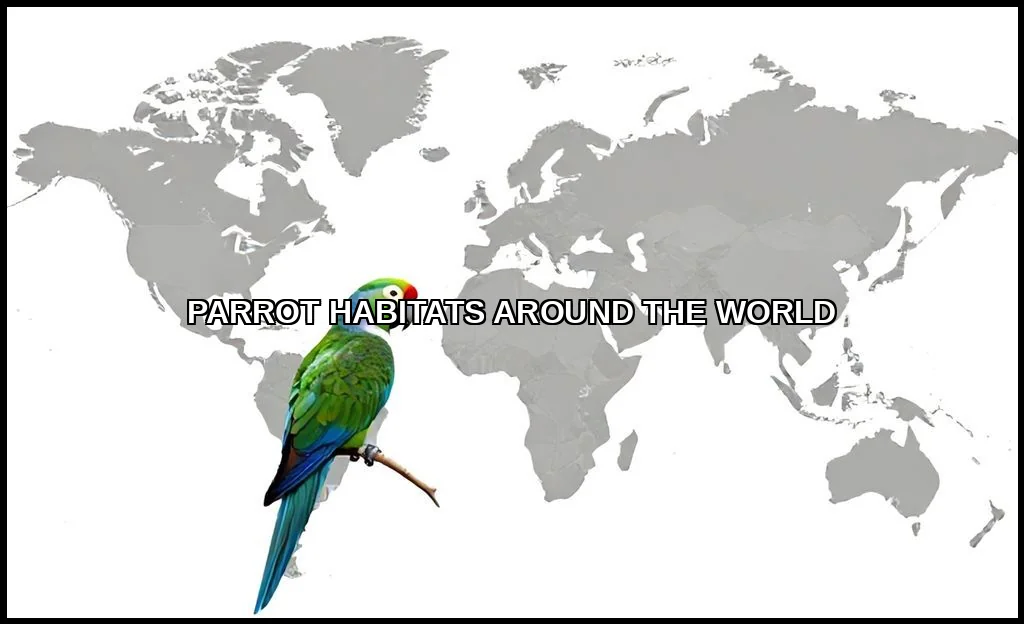
Introduction to Global Parrot Distribution
Parrots aren’t randomly scattered. Their parrot geographic distribution tells a story of ancient continents, climate shifts, and specialized adaptation. The highest diversity is concentrated in the Southern Hemisphere, particularly in South America and Australasia. This pattern is a direct result of their evolutionary history on the supercontinent Gondwana.
When we ask where parrots live, we’re really asking about specific ecological roles. Each species has carved out a niche within its broader habitat. A macaw’s powerful beak is perfect for cracking hard nuts in the canopy, while a grass parakeet’s slender build suits life on the ground in open grasslands. This specialization defines their parrot wild habitat.
Rainforests: The Primary Parrot Habitat
Think of parrots, and you likely picture the vibrant canopy of a tropical rainforest. This biome is the epicenter of parrot diversity. The constant warmth, abundant rainfall, and year-round fruiting and flowering trees create an all-you-can-eat buffet. The complex, multi-layered structure offers everything: nesting cavities in ancient trees, dense foliage for roosting, and open flyways between feeding sites.
This is the quintessential parrot ecosystem for iconic species.
- Macaws: These giants of the parrot world rely on large, mature trees for nesting and specific palm nuts for food. So, where do macaws live in the wild? Primarily in the Amazon and Pantanal regions of South America.
- Amazons: Found throughout Central and South America, these vocal parrots are key seed dispersers for many forest trees.
- African Greys: The dense lowland rainforests of West and Central Africa are home to these intelligent birds. What is the natural habitat of an African grey parrot? It’s a world of dappled light, dense canopy, and rich social flocks.
The rainforest canopy is a noisy, social, and competitive world. It’s where you’ll find some of the best talking parrots, a skill honed in complex social groups.
Other Key Habitats: From Savannas to Islands
While rainforests get the spotlight, parrots have conquered an astonishing array of landscapes. Their adaptability is their superpower.
Grassland & Savanna Habitats
Open, sun-drenched landscapes present different challenges. Parrots here, like many Australian cockatoos and South American conures, are often ground foragers. They feast on grass seeds, roots, and insects. Flocks can be massive, moving nomadically to find food and water. Their parrot native habitat requires keen eyesight for predators and a tolerance for dramatic temperature swings.
Island & Coastal Habitats
Isolation breeds uniqueness. Island habitats, like those in the Caribbean and Oceania, are where you find some of the most specialized and endangered parrots. With fewer predators and unique food sources, species like the Kakapo of New Zealand became flightless. Coastal mangroves provide critical resources for species like the Cuban Amazon. Their limited parrot range makes them exceptionally vulnerable.
Desert & Arid Habitats
Yes, parrots live in deserts. Species like the iconic Budgerigar of the Australian outback thrive in these harsh conditions. Survival hinges on nomadic behavior, following sporadic rains that trigger the growth of grass seeds. They are masters of water conservation and heat avoidance, often nesting in termite mounds or rock crevices. This extreme parrot environment showcases their remarkable resilience.
| Habitat Type | Key Adaptations | Example Species |
|---|---|---|
| Rainforest | Strong beaks for nuts, zygodactyl feet for climbing, vibrant camouflage | Scarlet Macaw, African Grey |
| Grassland/Savanna | Strong flight for nomadism, ground-foraging behavior, flocking for safety | Galah, Sun Conure |
| Island/Coastal | Specialized diets, reduced predator avoidance (sometimes flightlessness) | Kakapo, Thick-billed Parrot |
| Desert/Arid | Water conservation, heat tolerance, nomadic breeding cycles | Budgerigar, Bourke’s Parrot |
Threats to Parrot Habitats and Conservation
Here’s the stark reality: parrots are among the most threatened bird groups. The International Union for Conservation of Nature (IUCN) lists dozens of species as Endangered or Critically Endangered. Their parrot conservation status is a direct barometer of habitat health.
So, how does habitat loss affect parrot populations? It’s a multi-pronged crisis.
- Deforestation: The clear-cutting of rainforests for agriculture and logging destroys nesting sites and food sources instantly.
- Fragmentation: Even if a forest isn’t fully cleared, breaking it into small patches isolates flocks, reduces genetic diversity, and increases edge effects.
- Illegal Wildlife Trade: This removes breeding adults from the wild, destabilizing populations already under stress.
- Climate Change: Alters flowering and fruiting cycles, causes extreme weather events, and exacerbates drought in arid zones.
The story isn’t all grim. Dedicated conservation programs using habitat restoration, legal protection, and community engagement have brought species like the Mauritius Kestrel (a related raptor) and the Puerto Rican Parrot back from the brink. Success is possible with sustained effort.
How to Support Wild Parrot Habitats
You don’t need to be a field biologist to make a difference. Your choices have a direct impact on parrot habitats thousands of miles away.
- Choose Sustainable Products: Look for FSC-certified wood and paper. Avoid palm oil unless it’s certified sustainable (RSPO). This reduces pressure on rainforests.
- Support Reputable Conservation NGOs: Organizations like the World Parrot Trust, Rainforest Trust, and local habitat conservancies do the on-the-ground work. Donate if you can.
- Be a Conscious Pet Owner: If you have a parrot, ensure it’s captive-bred from a reputable source. Provide the best possible care, including a habitat that meets its psychological and physical needs. Educate others.
- Reduce Your Carbon Footprint: Climate stability is habitat stability. Supporting renewable energy and reducing consumption helps every parrot biome.
Think globally, act locally. The coffee you drink, the pet you choose, the organizations you supportthey all weave into the larger tapestry of conservation.
From the echoing calls in a misty rainforest to the swift, chattering flocks over a sun-baked plain, parrots are inseparable from their habitats. Their survival hinges on our collective will to protect these complex ecosystems. By understanding the intricate link between a species and its home, we gain not just knowledge, but a responsibility. The future of these intelligent, charismatic birds is, quite literally, in the trees we save and the landscapes we preserve. Let’s ensure their wild chatter never falls silent.
