You want the best for your parrot. That means navigating the complex world of avian nutrition, where a simple treat like a nut can be a healthy boost or a hidden danger. Getting it right is about more than just a list; it’s about understanding the why behind the rules. For a fun and engaging way to offer some healthy fats, many owners love using Kaytee Yo Dips. These toys let you spread a small amount of nut butter for foraging, turning snack time into an enriching activity.
This guide cuts through the confusion. We’ll cover exactly which nuts and seeds are parrot-safe, which are toxic, and how to integrate them into a balanced diet. We’ll also touch on sourcing and signs to watch for, topics often missed in basic guides.
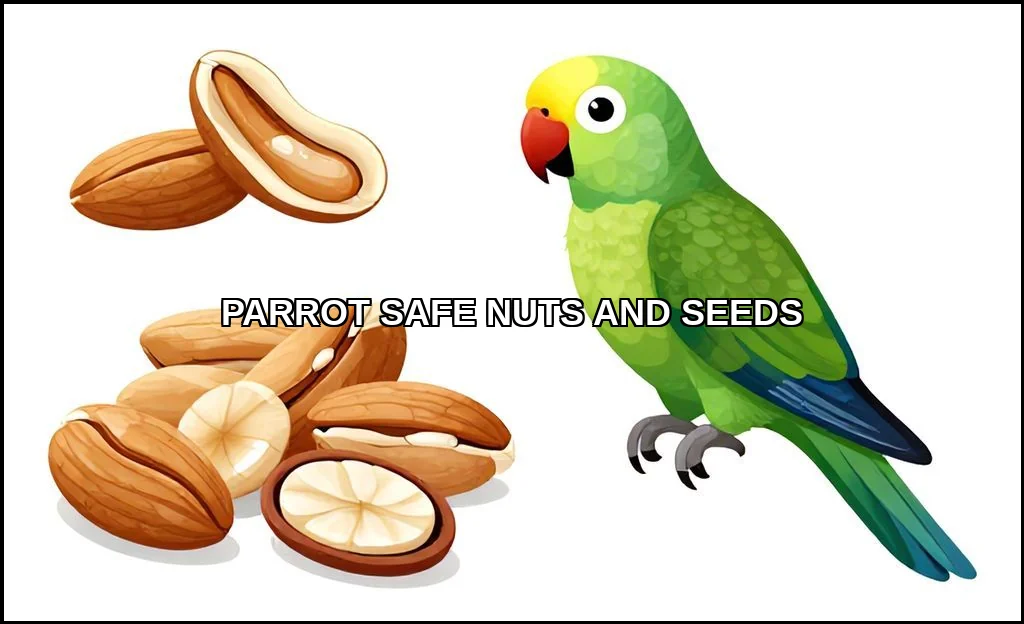
Parrot Nutrition Basics: More Than Just Seed Mix
A parrot’s diet is a delicate ecosystem. In the wild, they forage for a vast array of foodsfruits, nuts, seeds, blossoms, and even insects. Replicating this diversity in captivity is the cornerstone of bird nutrition. While high-quality pellets from brands like ZuPreem or Higgins should form the dietary foundation, fresh foods and healthy parrot treats are non-negotiable for mental and physical health.
This is where nuts and seeds come in. They’re energy-dense, packed with healthy fats, protein, and key vitamins. But they are also high-fat. Think of them as the avocado toast or premium olive oil of the parrot worldbeneficial in tiny amounts, problematic as a staple. The goal is enrichment and supplemental nutrition, not daily calorie loading.
Safe Nuts for Parrots: The Approved List & Benefits
When chosen carefully, nuts are fantastic bird safe foods. Always offer them raw and unsalted. Roasted nuts often have added oils and salt, and the high-heat process can degrade nutrients. Shells can be left on for larger parrots like Macaws and African Greys to provide a challenging, natural foraging activity. For smaller birds like Cockatiels or Budgerigars, shells should be removed to prevent choking.
Heres a breakdown of common parrot friendly nuts and what they offer:
- Almonds: A top choice. They’re rich in Vitamin E, a powerful antioxidant, and calcium. This makes almonds for parrots a supportive treat for skin, feather, and bone health.
- Walnuts: Great for Omega-3 fatty acids. So, can parrots eat walnuts safely? Absolutely. Their unique shape also provides excellent mental stimulation. Offer them in halves or pieces for smaller species.
- Pecans: Similar to walnuts in benefit but slightly higher in fat. Offer sparingly.
- Pistachios: Ensure they are unshelled and free from the red dye sometimes found in human snacks. They contain lutein for eye health.
- Brazil Nuts: Extremely high in selenium. One tiny piece per month is plenty for a large parrotoverdoing it can lead to toxicity.
- Cashews: Technically a seed, but commonly grouped with nuts. They must be raw, as the “raw” cashews sold for human consumption are actually steamed. Truly raw cashews contain urushiol, the same irritant found in poison ivy.
The Hidden Nutritional Profiles
Going beyond the basics, each nut brings a specific micronutrient profile. Almonds aren’t just “good”; they deliver Vitamin E and magnesium. Walnuts provide alpha-linolenic acid (ALA), a plant-based Omega-3. This level of detail helps you tailor treats to your bird’s needs, something often overlooked in generic parrot feeding guide content.
Dangerous & Toxic Nuts to Avoid Completely
This section is non-negotiable. Some nuts and seeds contain compounds that are directly poisonous to parrots. Knowing which nuts are toxic to parrots is a critical part of bird seed safety.
- Avocado: This is the big one. All partspit, skin, and fleshcontain persin, causing avocado toxicity. It leads to rapid heart failure in birds. Never, ever offer it.
- Fruit Pits & Seeds: Apple seeds, cherry pits, apricot pits, and peach pits contain amygdalin, which metabolizes into cyanide. The fleshy fruit is fine, but ensure all pits and seeds are removed.
- Raw Peanuts: Not toxic in themselves, but they are highly prone to mold growth that produces aflatoxin, a potent liver carcinogen. If you offer peanuts, they must be human-grade, shelled, and from a very reputable source. Many avian vets recommend avoiding them altogether.
- Macadamia Nuts: Documented to cause weakness, depression, and tremors in dogs, and are considered unsafe nuts for birds due to similar risks.
Storage matters, too. All nuts and seeds should be kept in a cool, dry place to prevent mold. A rancid nut is a dangerous nut.
Guide to Safe Seeds & Proper Preparation
Seeds are a natural part of a parrot’s diet, but the classic all-seed mix from the pet store is a recipe for malnutrition and obesity. They’re like junk fooddelicious but incomplete. The key is offering them as part of a varied diet. Sunflower seeds and safflower seeds are the classic favorites, but they are particularly high-fat.
Healthier seed options include:
- Pumpkin Seeds (Pepitas): A fantastic choice. They’re a good source of zinc and other minerals. Are pumpkin seeds good for cockatiels? Yes, but offer them shelled and in tiny amounts due to their fat content.
- Flax Seeds & Chia Seeds: Excellent sources of Omega-3s. Best offered ground, as whole seeds may pass through undigested.
- Hemp Seeds: Packed with protein and healthy fats.
- Millet Spray: A low-fat, fun foraging seed for smaller birds like Budgies and Cockatiels.
Preparation is simple: raw, unsalted, and clean. For smaller seeds like flax or chia, a quick soak can make them easier to digest. Always introduce any new food gradually to watch for any adverse reactions.
Sourcing Considerations: Organic vs. Conventional
This is a nuanced point. While organic nuts and seeds reduce exposure to pesticide residues, the most critical factor is freshness and freedom from aflatoxin. A fresh, high-quality conventional product from a trusted source is often better than an organic product of unknown age or storage history. Look for suppliers who specialize in bird or human-grade nuts, and buy in quantities you’ll use quickly.
Feeding Guidelines: Portion Sizes & Frequency
This is where moderation becomes your mantra. Nuts and seeds are treats, not staples. A good rule of thumb is that treats should not exceed 10% of your parrot’s total daily caloric intake. For a medium-sized Conure, that might mean one almond every other day. For a large Macaw, it could be two or three nuts.
Portion Control by Parrot Size:
| Parrot Size | Example Species | Nut/Seed Serving Example |
|---|---|---|
| Small | Budgerigar, Parrotlet | 1/4 almond sliver, a few pumpkin seeds |
| Medium | Cockatiel, Conure, Senegal | 1/2 almond, 1 small walnut piece |
| Large | African Grey, Amazon | 1 whole almond, 1 walnut half |
| Extra-Large | Macaw, Cockatoo | 2-3 almonds, 1 whole walnut |
Frequency depends on your bird’s activity level and overall diet. How often to give almonds to African greys? Perhaps 2-3 times a week as a training reward or foraging incentive. Always adjust based on your bird’s weightif they’re gaining, cut back.
Signs of Allergic Reaction or Intolerance
While rare, parrots can have individual sensitivities. After introducing a new nut or seed, watch for 24-48 hours for signs like vomiting, diarrhea, lethargy, or feather puffing. If you notice any of these, remove the new food and consult your avian vet. Its less about a true allergy and more about an individual’s ability to digest a very rich food.
Integrating with a Complete Diet
Nuts and seeds shine when used strategically. Hide pieces inside foraging toys to stimulate natural behavior. Use a tiny bit of unsalted nut butter on a cuttlebone holder to encourage mineral intake. The goal is to promote activity and engagement. Remember, a balanced diet also includes high-quality pellets, fresh vegetables, and some fruit. If you’re curious about other aspects of care, like which parrots talk the most, their diet plays a supporting role in their overall health and cognitive ability.
Even in virtual worlds, people think about parrot diet. For instance, players often search for what to feed their pixelated pets. It shows how deeply the concern for proper care extends!
Putting It All Together
Creating a safe and nutritious menu for your parrot is an act of love. You now know that almonds and walnuts are great in tiny amounts, that avocado is a hard no, and that the word moderation is your best friend. You’re thinking about sourcing and storage to avoid aflatoxin, and you’re watching your bird, not just following a chart.
For the most comprehensive, science-backed information on avian nutrition, always refer to an authority guide like those from established veterinary resources. They provide the depth behind these guidelines. Your feathered friend relies on your choices. Make them count by offering variety, enforcing limits, and always prioritizing safety. A healthy parrot is a vibrant, engaged companion for years to come.
