
Parrots are more than just vibrant, talkative pets. They are complex, intelligent creatures whose lives in the wild are a constant, high-stakes drama. From the dense rainforests of the Amazon to the arid outback of Australia, their survival hinges on a delicate balance of instinct, adaptation, and sheer luck.
Understanding this balance is key to appreciating their plight. For those caring for parrots at home, grasping their wild origins can transform your approach. A resource like the Parrot Parenting Essential can bridge that gap, offering insights into behaviors rooted in millions of years of avian survival. Its a helpful guide that connects captive care to wild instincts.
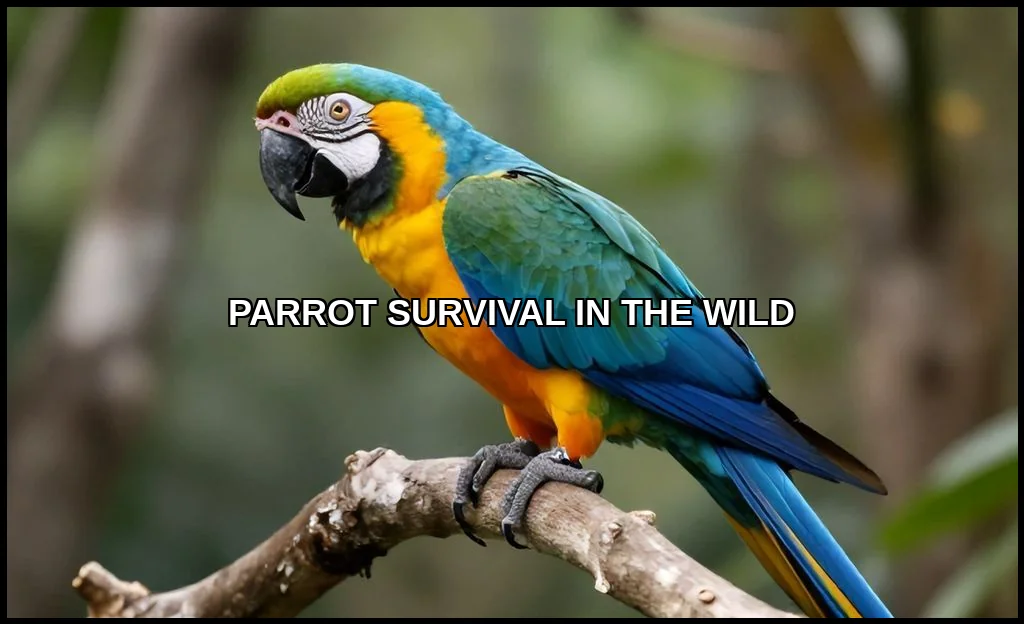
The Wild World of Parrots: Habitats and Ecology
Parrots, or psittacines, inhabit a surprisingly diverse range of ecosystems. While the iconic rainforest parrot comes to mind first, species thrive in woodlands, savannas, and even alpine regions. This global distribution is a testament to their incredible adaptability. Their parrot ecology is deeply intertwined with these environments, each shaping unique behaviors and diets.
Their role is vital. As seed dispersers and sometimes pollinators, parrots are keystone species in many habitats. Their disappearance doesn’t just mean losing a colorful bird; it can trigger the collapse of an entire ecological network. The food web unravels.
Major Threats to Parrot Survival
The challenges wild parrots face are numerous and often interconnected. Human activity is the primary driver behind most psittacine threats, pushing many species toward the brink.
Habitat Destruction and Fragmentation
Habitat destruction is the single greatest threat. Logging, agriculture, and urban expansion erase nesting and feeding grounds overnight. Parrot habitat loss doesn’t just reduce space; it fragments populations, isolating flocks and reducing genetic diversity. This makes them far more vulnerable to other dangers.
The Illegal Wildlife Trade
Driven by demand for exotic pets, the illegal wildlife trade is a brutal industry. It devastates wild populations, often targeting the most vibrant and healthiest birds. The trauma of capture and transport leaves deep scars, both physically and on the species’ long-term viability.
Other Critical Dangers
- Parrot predators have evolved alongside them, but introduced species like rats, cats, and snakes are catastrophic. They raid nests and outcompete native species.
- Climate change alters food availability and breeding cycles, throwing finely-tuned adaptations out of sync.
- Direct persecution occurs where parrots are seen as agricultural pests, leading to culls.
These pressures answer the common question: why are parrots endangered in their natural habitat? It’s rarely one reason. It’s a perfect storm.
How Parrots Survive: Adaptations and Behaviors
Against these odds, parrots have evolved remarkable strategies. Their wild bird adaptation is a masterclass in avian survival.
Diet and Foraging Intelligence
So, what do wild parrots eat to survive? Their parrot diet in the wild is varied and clever. They consume seeds, nuts, fruits, nectar, and even insects. Their powerful beaks are not just for cracking hard shells; they function as a “third foot” for climbing. This dietary flexibility is a key survival trait, allowing them to switch food sources when one becomes scarce.
The Power of the Flock
Perhaps their greatest asset is social structure. Parrot flock behavior is centered on complex flock dynamics. Flocks provide safety in numbersmore eyes to spot parrot predators. They facilitate learning, from finding food to mastering complex vocalizations. This social intelligence is a core part of parrot ecology. A lone parrot is a vulnerable parrot.
Defensive Tactics and Lifespan
How do parrots protect themselves from predators? Their vibrant colors, ironically, provide camouflage in the dappled forest light. Loud, raucous alarm calls mobilize the entire flock. Their flight is often swift and erratic to evade raptors. Regarding parrot lifespan in nature, it’s a harsh contrast to captivity. While a macaw might live 60 years in care, its how long do parrots live in the wild answer is often just 20-30 years due to predation, disease, and food scarcity.
Conservation Status and Human Impact
The result of these threats is stark. A significant portion of parrot species are now considered threatened. The IUCN Red List serves as the definitive official source for tracking endangered parrots. Checking it reveals sobering data on population trends.
Parrot conservation is not a lost cause, however. Success stories exist. The recovery of the Mauritius Echo Parakeet, once the world’s rarest parrot, shows what intense, science-led intervention can achieve. Community-based projects that provide alternative incomes to poaching are also proving effective. It’s about offering better choices.
Species-Specific Challenges
Challenges vary wildly by species. A Spix’s Macaw faces near-total habitat destruction. A Kakapo’s ground-nesting habit makes it a snack for introduced mammals. A African Grey’s intelligence makes it a prime target for the illegal wildlife trade. Effective conservation must be tailored, not generic. There’s no one-size-fits-all solution.
How You Can Support Wild Parrot Conservation
You don’t need to be a field biologist to make a difference. Informed action at home and abroad has real impact.
- Support Responsible Tourism: Choose eco-tours that prioritize habitat protection and fund local conservation. Your vacation can be a force for good.
- Be a Conscious Consumer: Avoid products linked to deforestation, like unsustainable palm oil or tropical hardwoods. Check sourcing.
- Advocate for Stronger Laws: Support legislation that cracks down on the illegal wildlife trade and protects critical habitats. Policy matters.
- Donate to Reputable Organizations: Fund groups doing on-the-ground work in parrot conservation, from nest protection to habitat restoration.
- Educate and Inspire: Share what you know. The more people understand the plight of endangered parrots, the broader the support base grows.
If you have a pet parrot, your care is part of the story. Understanding their wild needs enriches their life. For instance, knowing which species are most vocal connects to their complex flock communication. Similarly, ensuring safe travel, like finding the best carrier for a vet visit, mirrors the security they seek in the wild.
The Future of Parrots in the Wild
Their future is precarious but not predetermined. It hinges on our collective will to value wildness over convenience, preservation over short-term gain. Every protected acre, every disrupted trafficking ring, and every educated individual tips the scale.
Parrots have survived for millennia through brilliant adaptation. Now, their greatest challenge is us. And so, their ultimate adaptation may depend on our ability to change. The call is clear. Will we answer?
