
Your parrot’s ability to talk is one of its most charming traits. It can also become a source of significant stress when that vocal talent turns into screaming, swearing, or non-stop chatter. You’re not alone in facing these challenges.
Problematic vocalizations are a common form of communication for parrots. They are telling you something is off in their world. The path forward involves patience, observation, and a shift in your own responses. This guide provides a calm, step-by-step approach to understanding and correcting parrot talking behavior problems.
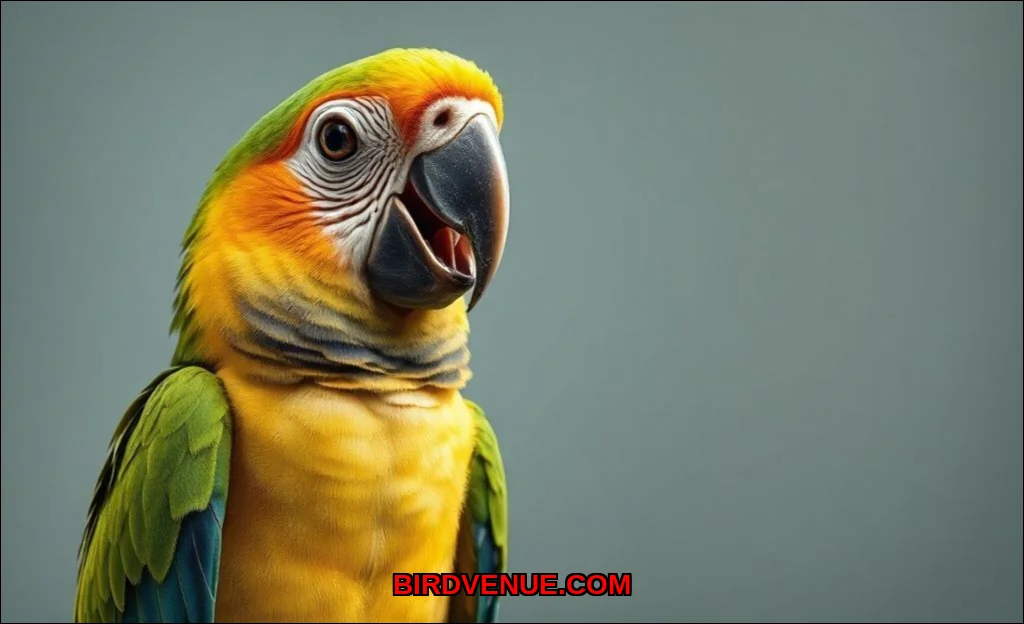
Why Parrots Talk (And Why It Goes Wrong)
Parrots are highly social, intelligent creatures. In the wild, vocalizations maintain flock cohesion, signal danger, and establish territory. Your home is their flock. Their talking, screaming, or chattering is an attempt to interact with their environmentwhich is you.
Common triggers for problematic vocalizations include boredom, lack of environmental enrichment, fear, and medical issues. Hormonal influences on vocalization are a significant, often overlooked factor. A parrot experiencing hormonal surges may become louder, more aggressive, or develop new, persistent calls. Similarly, the impact of diet on behavior is profound; a diet high in sugar or fat can contribute to hyperactivity and noise.
It’s also helpful to consider age-related vocal changes. Juvenile parrots often practice and experiment with sounds, while adult birds may have more established, habitual vocal patterns. Recognizing this can shape your expectations. For a deeper look at the mechanics of how parrots learn, this external resource on how parrots learn to talk and communicate offers excellent foundational knowledge.
Common Parrot Talking Behavior Problems
Identifying the specific issue is the first step toward a solution. Here are the vocal challenges owners face most often.
- Parrot Screaming & Attention-Seeking Squawking: This is often a learned behavior. If screaming results in you coming into the room (even to scold), the parrot gets what it wants: your attention.
- Excessive Talking or Repetitive Phrases: While talking is desired, non-stop narration or the endless loop of a single phrase can indicate boredom or a lack of other mental stimulation.
- Mimicking Bad Words or Aggressive Vocalizations: Parrots don’t understand context. They replicate sounds that get a strong, dramatic reactionwhich swear words often provide.
- Nighttime Vocalizations: Sudden noise after dark can be sparked by external sounds, night frights, or an inconsistent light schedule.
Species like the African Grey Parrot, Amazon Parrot, and Cockatoo are particularly adept talkers but also prone to developing these habits if their complex needs aren’t met.
Step-by-Step Solutions for Correction
Correcting these behaviors is less about silencing your bird and more about teaching appropriate communication. The core principle is positive reinforcement.
1. Identify and Manage Vocalization Triggers
Keep a simple log for a few days. Note what happens right before a screaming fit or excessive chatter. Was the house quiet? Did you leave the room? Did the phone ring? Patterns will emerge. For managing attention-seeking behavior, the rule is simple: ignore the unwanted noise and reward the quiet or desired speech.
- When screaming starts, do not look at, talk to, or approach your parrot.
- The moment there is a pause of quiet or they use a preferred word/phrase, immediately offer praise, a treat, or attention.
- This teaches that calm behaviornot noisegets your interaction.
A tool like the Getting Started Clicker can be invaluable here. The distinct click sound marks the exact moment of desired behavior (like quiet or a “hello”) with precision, making the training clearer for your bird.
2. Implement a Consistent Routine
Parrots thrive on predictability. An erratic schedule is a major stressor. A consistent routine for waking, feeding, playtime, and bedtime provides security and can drastically reduce anxiety-driven vocalizations.
| Time of Day | Routine Element | Impact on Vocalization |
| Morning | Uncover cage, offer fresh food, brief interaction. | Prevents early morning calling for attention. |
| Day | Scheduled out-of-cage time, training sessions, foraging. | Reduces boredom-related screaming and chatter. |
| Evening | Quiet wind-down, consistent bedtime, cage cover. | Minimizes nighttime vocalizations and promotes rest. |
3. Redirect Energy with Training and Enrichment
Vocal training correction isn’t just about stopping bad habits; it’s about channeling intelligence into positive outlets. Spend 10-15 minutes daily on simple trick training (turn around, wave, fetch). This mental workout is tiring and satisfying.
For the hours you can’t interact, environmental enrichment is key. This means rotating a variety of bird toysespecially destructible wood and leather onesand introducing foraging puzzles. Hide treats in paper cups, cardboard rolls, or commercial foraging toys. The goal is to make your parrot work for its food, simulating natural behavior and keeping its mind occupied. This is a cornerstone of managing parrot chatter and reducing parrot noise.
Creating a Supportive Environment
Your parrot’s surroundings directly influence its vocal health. Look beyond the cage.
- Cage Placement: Keep the cage in a socially active part of the home, but not in the direct hustle of a hallway. Provide a retreat area in the cage for privacy.
- Sleep Hygiene: Ensure 10-12 hours of uninterrupted dark sleep. A proper cage cover can help with this, especially in rooms with street lights or early sun.
- Social Dynamics: If you’re considering a companion, research thoroughly. While another bird can provide company, it can also lead to more noise or bonded pairs that ignore humans. For many, the bond with a talking parrot as a pet is uniquely fulfilling without adding a second bird.
When to Seek Professional Guidance
If you’ve implemented avian behavior modification techniques consistently for several weeks with no improvement, or if the behavior is sudden and severe, consult a professional.
- Avian Veterinarian: Rule out medical causes first. Pain, respiratory issues, or nutritional deficiencies can manifest as behavioral changes, including increased screaming.
- Certified Parrot Behavior Consultant: These specialists can observe your specific dynamics and create a tailored plan. They are experts in positive reinforcement for parrots and can help with complex cases.
This is particularly important if vocalizations are paired with signs of distress like feather plucking or aggression. Ensuring you have one of the safest parrot species for talking and companionship starts with understanding their full range of needs.
Moving Forward with Patience
Addressing parrot talking behavior problems is a journey. There will be setbacks. The key is consistency in your response. You are teaching a new languageone where calm, quiet interaction is more rewarding than loud demands.
Focus on meeting their needs for mental stimulation, social contact, and security. Your goal isn’t a silent bird, but a happily communicating one. The solutions lie in observation, subtle changes to routine, and reinforcing the behaviors you want to hear. Start small, be patient, and trust the process.
