
Imagine a companion who greets you by name, shares your excitement, and fills your home with personality. A talking parrot can be that companion. These intelligent birds offer a unique pet ownership experience, blending vibrant beauty with cognitive abilities that can truly surprise you.
But owning a parrot is a major commitment, not a casual hobby. It’s a decades-long relationship with a creature as emotionally complex as a toddler. Before you fall for a charming voice, you need to understand the full picturefrom the best talking parrot species to the daily realities of care. For those serious about training, tools like the HWD Voice-Activated Induction device can provide helpful, consistent audio cues during practice sessions.
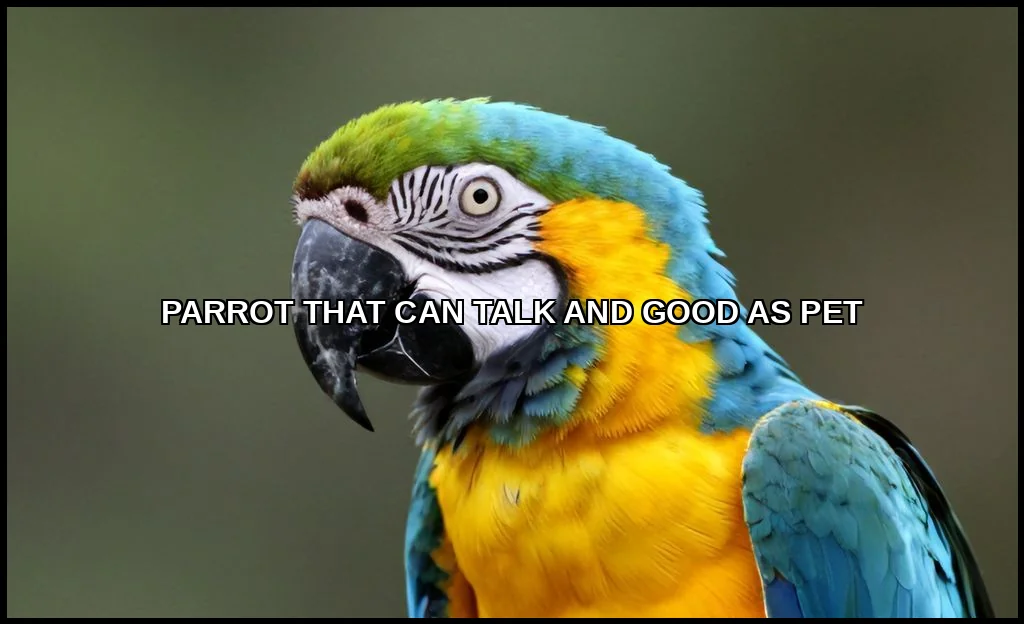
Top 5 Best Talking Parrots for Pets
Not all parrots talk, and some species are far more gifted mimics than others. Your choice depends heavily on your lifestyle, experience, and tolerance for noise. Here are five standout species known for their vocal talents.
1. African Grey Parrot
Often considered the Einstein of the bird world, the African Grey is in a league of its own. They don’t just mimic; they associate words with meanings, contexts, and emotions. Their clarity is often unnervingly human-like. However, they require immense mental stimulation and are prone to stress if neglected.
2. Amazon Parrot
Amazon parrots are the charismatic extroverts. They tend to have loud, clear voices and love to be the center of attention. Species like the Yellow-naped and Double Yellow-headed Amazon are particularly renowned talkers. They are social, playful, and form incredibly strong bonds with their owners.
3. Budgerigar (Budgie)
Don’t let their small size fool you. Budgies are excellent talkers and are often the easiest talking parrot to train for beginners. They have small voices but can build large vocabularies. Their care is more manageable, and their lifespan is shorter, making them a great introductory bird for those curious about parrot ownership.
4. Cockatiel
Cockatiels are less about clear speech and more about charming mimicry of whistles and household sounds. They might learn a few phrases, but their real talent lies in copying ringtones, microwave beeps, and simple tunes. They are affectionate, gentle, and generally quieter, which makes them suitable for many living situations.
5. Parrotlet
The mighty parrotlet packs a big personality into a tiny body. While not as prolific as larger parrots, some individuals learn words and sounds. They are more of a parrotlet companion that might surprise you with speech rather than a guaranteed talker. Their compact size is ideal for smaller spaces.
For a deeper dive into vocal abilities, our guide on which parrots talk best breaks down more species and their potential.
Essential Care Guide for a Pet Talking Parrot
Speech is a bonus, not a substitute for proper pet parrot care. A healthy, happy bird is a bird more likely to engage and learn. Neglect these fundamentals, and you’ll have a silent, frustrated companion.
Parrot Cage Size and Environment
The cage is your bird’s home, not just a container. Bigger is always better. The minimum parrot cage size should allow for full wing extension and flapping without touching the sides. Bar spacing must be appropriate to prevent injury. Fill it with perches of varying diameters, foraging toys, and safe wood to chew.
Parrot Diet: Beyond Seeds
A seed-only diet is a death sentence. It leads to obesity and malnutrition. A proper parrot diet is diverse:
- High-quality pellets: Should form 60-70% of the diet.
- Fresh vegetables and greens: Daily offerings of kale, sweet potato, bell peppers.
- Limited fruits and nuts: Treats, not staples.
- Clean water: Changed at least twice daily.
Veterinary Care and Enrichment
Find a certified avian veterinarian before you get your bird. Parrots hide illness brilliantly, so annual check-ups are non-negotiable. Mental enrichment is equally critical. Rotate toys, teach tricks, offer puzzle feeders, and provide out-of-cage time for exploration every single day. A bored parrot is a loud, destructive, and plucking parrot.
Step-by-Step: How to Train Your Parrot to Talk
Want to teach parrot to talk? Patience is your most important tool. You can’t force it; you can only encourage. Some birds never speak, and that’s okay. Their value isn’t in their vocabulary.
- Build Trust First: Your bird must be comfortable with you. Spend weeks just bonding before any formal training.
- Start Simple: Choose a short, clear word like “Hello” or their name. Say it enthusiastically every time you greet them.
- Timing is Everything: Practice in short, 5-10 minute sessions when the bird is alert and calm, often in the morning.
- Use Context: Say “Apple” when offering a piece of apple. This helps with associative learning.
- Reward Attempts: Any mimicry, even a garbled sound, deserves a favorite treat and praise. Positive reinforcement works.
- Be Consistent: Use the same word with the same inflection. Having a clear, consistent audio aid can be helpful, which is where tools like voice recorders come in.
For expert techniques on avian communication, this authority guide from Audubon is a fantastic resource.
The Reality of Parrot Ownership: Challenges and Rewards
So, are talking parrots good pets for apartments? It’s a tough sell. The parrot noise level is a defining factor. Even small birds can produce contact calls that pierce walls. Larger parrots have screams that can reach over 100 decibels. Neighbor complaints are a real risk.
Pros of Parrot Ownership
- Deep Companionship: The bond with a parrot is profoundly unique and interactive.
- Longevity: Many species become lifelong companions, with some parrot lifespan ranges exceeding 50 years.
- Intellectual Engagement: They keep you on your toes, constantly learning and problem-solving.
Cons of Parrot Ownership
- Extreme Commitment: Their long life means planning for their care in your will.
- Mess and Destruction: They fling food, chew baseboards, and generate fine dust.
- Cost: Beyond the initial bird price, vet bills, quality food, and large cages add up quickly.
- Demanding Social Needs: They require hours of daily interaction. Leaving them alone for a workday is often cruel.
Getting Started: Costs, Setup, and Choosing Your Bird
If you’re still committed, let’s talk logistics. How much does a talking African Grey parrot cost? Prices range from $1,500 to $3,500+ for a hand-fed baby from a reputable breeder. Adoption is a cheaper, noble alternative. Remember, the bird’s price is just the start.
| Initial Setup Cost | Estimated Price Range |
|---|---|
| Large, Quality Cage & Stand | $300 – $800+ |
| Initial Vet Check-up | $100 – $250 |
| Perches, Toys, Dishes | $150 – $300 |
| First Month of Food | $50 – $100 |
| Total Initial Investment | $600 – $1,450+ |
Choosing your bird is the most important step. Always visit a reputable breeder or rescue. Observe the birds’ conditions. A healthy bird is bright-eyed, active, and has clean feathers. Ask about weaning, socialization, and health guarantees. And think about practicalitieslike having a secure best travel carrier for vet visits from day one.
How long do talking parrots live as pets? With exceptional care, small birds like budgies live 10-15 years. Cockatiels and conures often reach 15-25 years. African Greys and Amazons regularly live 40-60 years, sometimes longer. Your feathered friend could be with you for most of your life.
Bringing a talking parrot into your home is not about owning a novelty. It’s about inviting a sensitive, intelligent being into your family. It requires a radical shift in perspective, a commitment of time and resources that spans decades. The reward, however, is a relationship unlike any otherfilled with laughter, conversation, and a unique kind of feathered love. Do your homework, prepare your home and your heart, and you could gain a companion for the ages.
