
Parrots are more than just vibrant, intelligent companions. They are integral threads in the ecological fabric of their native lands. To truly appreciate these birds, you need to look beyond the cage and into their complex, wild worlds. Their survival is a litmus test for the health of entire ecosystems.
From dense rainforests to arid savannas, parrots have carved out niches across the globe. Their geographic range is surprisingly vast, though heavily concentrated in the Southern Hemisphere. This global distribution speaks to their incredible adaptability and the varied roles they play in avian ecology. For those creating a home environment, understanding these natural psittacine habitats is key. A well-designed aviary mimics the complexity of the wild. For this, many avian enthusiasts recommend the Yaheetech 69-inch Wrought cage, which offers the space and sturdy construction needed for safe flight and enrichment.
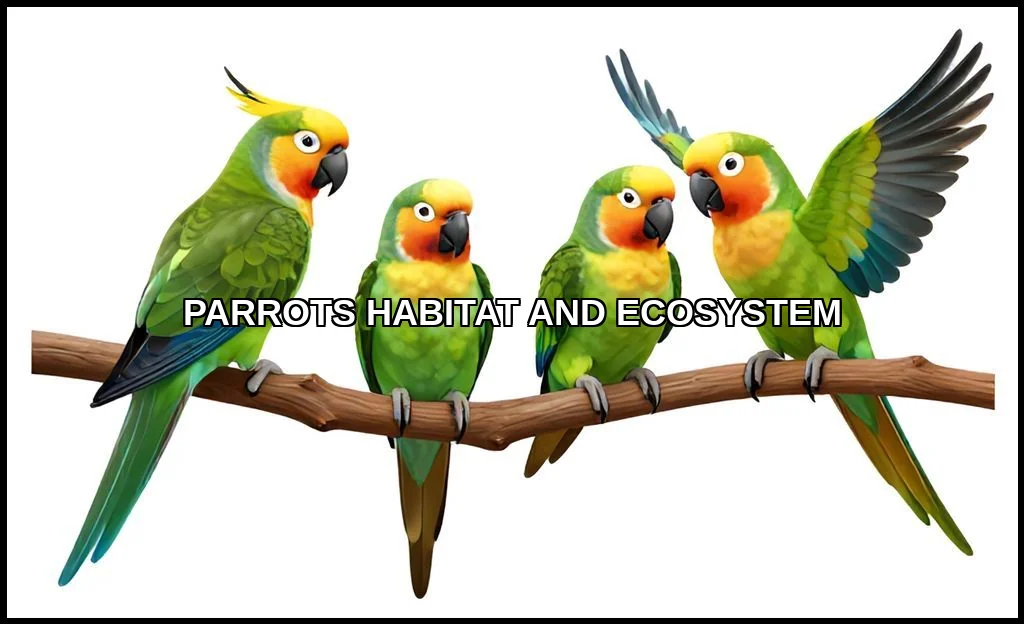
Parrot Habitats: A Global Tour of Forests, Woodlands, and Savannas
When you ask where parrots live in the wild, the answer is a map of the tropics and subtropics. Their primary parrot biomes are defined by structure and climate, offering the resources they need to thrive. The specific parrot natural environment dictates everything from diet to social structure.
Rainforests: The Epicenter of Psittacine Diversity
This is the classic image. Towering canopies, dappled light, and a cacophony of color and sound. Rainforests, particularly in the Amazon and Indonesia, host the greatest variety of rainforest parrot species. Think Scarlet Macaws, Eclectus parrots, and countless conures. The multi-layered structure provides everything: high cavities for parrot nesting habits, a year-round bounty of fruits and nuts, and dense foliage for evading parrot predators like harpy eagles and snakes. The tropical bird ecosystems here are incredibly interdependent.
Woodlands and Savannas: The Adaptive Specialists
Not all parrots require dense jungle. Many species, like Australia’s iconic Galah or Africa’s Meyer’s Parrot, thrive in open woodlands and grassy savannas. These psittacine habitats present different challengesmore exposure, seasonal food scarcity, and ground-based threats. Their parrot nesting habits often involve termite mounds or riverbank hollows. Understanding a species’ origin is crucial for care; knowing the best carrier for Meyer’s parrots, for instance, stems from understanding their comfort needs during transport from these open environments.
Consider the natural habitat of an African Grey parrot. It’s not a uniform rainforest, but a mosaic of dense lowland forests and adjacent clearings. This variety shapes their foraging intelligence and even influences which vocalizations they learn and use in the wild.
Diet, Foraging, and the Parrot’s Niche
The parrot diet in the wild is a masterclass in opportunistic feeding. They are primarily granivores and frugivores, but their menus are surprisingly diverse. This foraging behavior is a full-time job that structures their days and social lives.
- Fruits & Nuts: The staples. Parrots use their powerful beaks to crack hard shells, accessing nutrients other animals can’t.
- Seeds & Grains: A primary energy source, especially in grasslands and agricultural edges.
- Flowers, Buds & Bark: Provides minerals and aids in digestion. Some species are specialized nectar feeders.
- Insects & Larvae: An important protein source, particularly for growing chicks.
Their foraging makes them critical players in the food web. They are both consumers and, as we’ll see, vital regenerators.
The Keystone Role: Parrots as Gardeners of the Forest
This is where parrots shift from residents to architects. Their most significant ecological role is seed dispersal. By consuming fruits and excreting seeds far from the parent tree, they act as mobile gardeners. This isn’t just casual snacking; it’s a fundamental process for forest health and regeneration.
How do parrots help the rainforest ecosystem? They disperse seeds of large, hard-walled fruits that few other animals can handle. Some seeds even germinate better after passing through a parrot’s digestive tract. In this way, many parrot species function as keystone species. Their decline can trigger a cascade of negative effects, reducing forest diversity and resilience. Their role in avian ecology is profound and irreplaceable.
Fragmented Forests: Threats and the Path to Conservation
The very traits that make parrots ecological linchpins also make them vulnerable. Their specialized parrot nesting habits (reliance on tree hollows), slow reproduction, and loud, conspicuous nature work against them in a human-dominated world. The question of why are parrot habitats being destroyed has multiple, converging answers.
The Primary Threat: Habitat Loss and Degradation
Deforestation for agriculture, logging, and urban expansion is the single greatest driver of parrot decline. It fragments forests, isolates populations, and destroys the ancient trees that provide essential nesting cavities. The conversion of diverse woodlands into monoculture farms strips away the complex parrot natural environment they depend on.
| Threat | Impact on Parrots |
|---|---|
| Deforestation | Direct loss of nesting and feeding sites, population fragmentation. |
| Illegal Wildlife Trade | Removes breeding adults from populations, often cruelly. |
| Climate Change | Alters food phenology, increases extreme weather events, shifts habitat ranges. |
| Invasive Species | Introduces new parrot predators (rats, cats) and competitors for nests. |
Parrot Conservation: From Awareness to Action
Conservation is a multi-front effort. It involves protecting vast tracts of intact habitat, creating wildlife corridors, and working with local communities. Captive breeding for reintroduction is a complex tool used for critically endangered species. On a personal level, you can support sustainable practices and reputable conservation NGOs. Always check an authority guide like the IUCN Red List to understand a species’ status before considering a pet.
For pet owners, conservation starts at home. Creating a stimulating enclosure with non-toxic, best plants for a parrot aviary habitat is a direct way to support natural behaviors and psychological well-being, reducing the demand for wild-caught birds.
Parrots are not merely inhabitants of their ecosystems; they are active, shaping forces within them. Their vibrant lives are bound to the fate of the forests and woodlands they call home. Protecting these complex tropical bird ecosystems isn’t just about saving parrotsit’s about preserving the intricate mechanisms of seed dispersal, forest growth, and ecological balance that sustain our planet. Their chatter is the sound of a healthy world. We should listen.
