
Creating the right living environment for a parrot is about more than just a cage. It’s about engineering a complete, stimulating, and safe micro-habitat that meets their complex physical and psychological needs. Think of it as designing a tiny, interactive apartment for a highly intelligent, feathered roommate who can’t tell you when something’s wrong.
Their well-being hinges on a symphony of factors: space, climate, mental engagement, and safety. Getting it right prevents a host of behavioral and health issues, from feather plucking to respiratory infections. For instance, maintaining proper avian-safe humidity can be a challenge in dry homes, which is why many owners use a product like the K&H Pet Products Thermo-Perch heater to provide a localized warm spot, especially during colder nights.
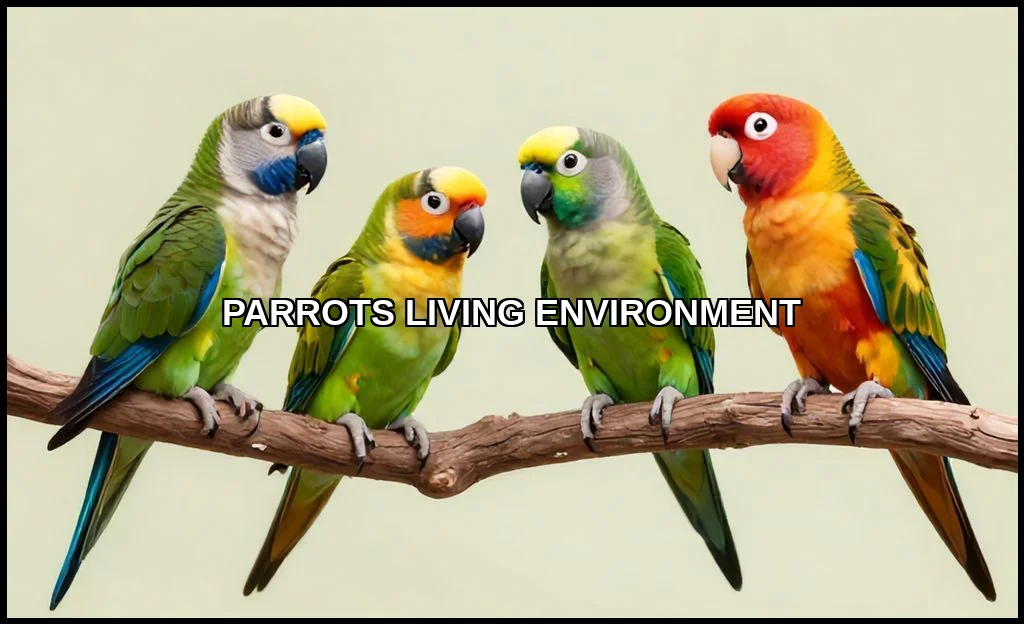
Essential Elements of a Parrot’s Habitat
A parrot’s enclosure is their entire world. Their avian habitat must cater to instinctual behaviors like flying, climbing, foraging, and chewing. Neglecting any core area of their bird habitat requirements can lead to stress, which manifests in loud, destructive, or self-harming behaviors. A holistic approach to parrot housing considers both the physical structure and the life within it.
Choosing the Right Cage: Size, Bar Spacing, and Material
This is the foundation. The biggest cage you can afford and accommodate is always the best starting point. A common question like how big should a macaw cage be has a simple answer: massive. For large parrots, width and depth for wing-stretching are more critical than extreme height.
- Size: The bird must be able to fully extend and flap its wings without touching the sides. For smaller species like conures, a minimum of 24″W x 24″D is a baseline, not a goal.
- Bar Spacing: This is a critical safety feature. Spacing must be narrow enough to prevent the bird from sticking its head through, which can lead to fatal injury.
- Material: Powder-coated stainless steel is the gold standard. It’s durable, easy to clean, and uses non-toxic materials. Avoid cages with zinc or lead-based paints.
Proper bird cage placement is equally vital. The cage should be in a socially active part of your home, but not in a chaotic hallway or kitchen. Many wonder about the best room in house for parrot cage; a living room or family room where the flock (you) gathers is often ideal.
Environmental Controls: Temperature, Humidity, and Lighting
Parrots are sensitive to atmospheric changes. Their avian environment needs stable, tropical-like conditions to thrive.
Temperature and Humidity
The ideal parrot temperature range for most species is between 65F and 80F (18C – 27C). Drafts from windows or air conditioning vents are a major concern. So, what temperature is too cold for a parrot? Anything consistently below 60F (15C) can be dangerous, especially for smaller birds. Parrot humidity levels should generally be kept between 40-60%. Low humidity leads to dry, itchy skin and respiratory irritation.
Lighting
Natural light is best, but not direct, hot sunlight through glass. For homes with limited windows, full-spectrum lighting designed for birds can be beneficial. It helps regulate their circadian rhythms and is essential for vitamin D3 synthesis, which aids calcium absorption. A timer to simulate a natural day/night cycle (10-12 hours of light) works wonders.
Safety First: Household Hazards and Toxins to Avoid
Your home is full of invisible dangers to a parrot. Their incredibly efficient respiratory system makes them vulnerable to airborne toxins. A fundamental part of avian husbandry is hazard-proofing your space.
- Teflon Toxicity: Overheated non-stick cookware (pans, bakeware, some air fryer baskets) releases odorless fumes that are rapidly fatal to birds. This is non-negotiable.
- Aerosols & Scents: Perfume, hairspray, plug-in air fresheners, and cleaning sprays can all cause respiratory distress. The question are scented candles safe for birds has a clear answer: no. Burning anything releases particulates.
- Other common toxins include lead (in old paint, stained glass, weights), zinc, avocado, chocolate, caffeine, and alcohol.
Always supervise out-of-cage time. Ceiling fans, open toilets, and chewing on electrical cords are physical hazards. Your cage environment must also be safecheck toys regularly for broken parts or frayed ropes.
Enrichment and Social Needs for a Happy Parrot
A bored parrot is a destructive parrot. Enrichment is not optional; it’s a core bird habitat requirement. Mental stimulation is as important as physical space.
Toys and Foraging
Rotate a variety of safe parrot toys made from wood, leather, and non-toxic materials. Include destructible toys (for chewing) and puzzle toys. Foraging toys that make a bird work for its food are the single best tool to combat boredom and mimic natural behavior. Hide treats in paper cups, cardboard boxes, or specialized foraging wheels.
Social Interaction
Parrots are flock animals. They need daily, meaningful interaction with you. This can be training sessions, talking, or simply sharing space. For those interested in vocal interaction, learning about which species excel can guide your expectations. Remember, a quiet, still bird is often an unwell or stressed bird. Their need for social and mental engagement is relentless.
Even trips to the vet require careful planning. Using a secure, comfortable carrier is part of responsible care. For specific species, like a Meyer’s parrot, finding the best travel carrier can reduce stress for everyone involved.
Putting It All Together
Designing the perfect parrot cage setup is an ongoing process of observation and adjustment. Watch your bird’s behaviorit’s their primary way of communicating their comfort. Are they playing? Eating well? Vocalizing normally? These are your success metrics.
For a comprehensive, science-backed authority guide on avian housing, the Lafeber Company provides an excellent resource that dives deeper into the nuances of avian habitat design.
Ultimately, your parrot’s environment is a living system. It evolves as your bird ages and as your bond deepens. Start with the fundamentals of space and safety, then layer in complexity with climate control and enrichment. Pay attention. Be proactive. The reward is a vibrant, engaged companion whose healthy, joyful behavior shows you’ve built them a true home.
