
Picture a parrot. You’re likely imagining a flash of brilliant green or scarlet high in a leafy jungle. That iconic image is rooted in reality. Parrots are quintessential creatures of the wild, their lives intricately woven into specific ecosystems across the globe. Their survival, behaviors, and even their vibrant colors are direct products of their parrot environment.
To truly appreciate these intelligent birds, you need to look beyond the cage. Understanding their parrot native range and natural world isn’t just trivia. It’s key to their conservation and informs how we care for them in our homes. For instance, providing a large, sturdy play structure mimics the complex canopy layer they navigate daily. Many owners find a product like the Yaheetech 69-inch Wrought iron stand offers the durable, multi-branch environment that satisfies a parrot’s innate need to climb and perch, much like their natural foraging grounds.
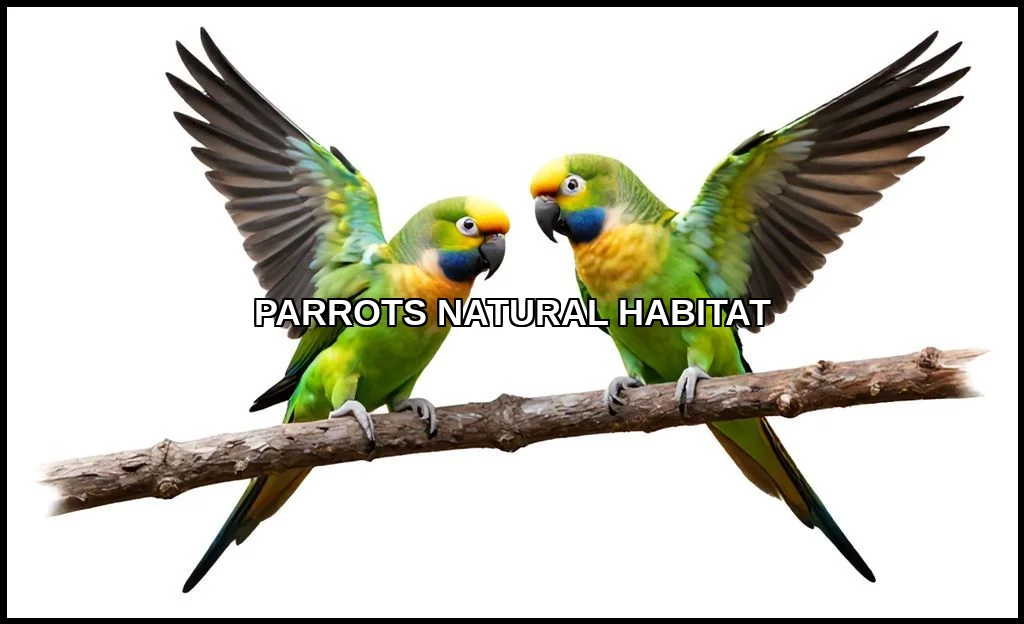
Where Do Parrots Live in the Wild? A Geographic Tour
Parrots are primarily birds of the Southern Hemisphere. Their distribution forms a fascinating map tied to warm climates and abundant food sources. So, where are most parrot species found geographically? The hotspots are unmistakable.
- The Neotropics: This region, covering Central and South America, is the undisputed parrot paradise. It’s home to the greatest diversity, including macaws, Amazons, and conures.
- Australasia: Australia, New Guinea, and nearby islands boast unique species like cockatoos, cockatiels, and the ground-dwelling kakapo.
- Afrotropics: Africa and Madagascar have fewer species but notable ones like the African Grey and the vibrant lovebirds.
A handful of species have pushed into other areas, like the now-famous wild parakeets in European cities, but these are exceptions. The core of parrot species native regions remains tropical and subtropical.
Major Habitat Types: More Than Just Rainforests
While the image of rainforest birds habitat is dominant, parrots are surprisingly adaptable. They thrive in several distinct avian ecosystems.
Rainforests: The Lush Epicenter
The tropical rainforest is the classic parrot environment. It’s a multi-story buffet and fortress. Parrots are masters of the canopy layer, the dense roof of the forest. Here, they find fruit, nuts, and flowers in abundance. The constant warm temperature and high humidity support year-round food growth, making it an ideal parrot foraging ground. Species like the Scarlet Macaw are iconic canopy dwelling birds of these ecosystems.
Savannas and Woodlands
Not all parrots need dense jungle. Australian cockatoos, like the Galah, are perfectly at home in open savannas and grassy woodlands. They forage on seeds from the ground and nest in the scattered, large trees that dot the landscape. These habitats often have more extreme temperature swings and seasonal food availability, shaping different survival strategies.
Mountainous and Coastal Regions
Some species specialize in niche environments. The Kea, a clever parrot from New Zealand, lives in alpine regions. Others inhabit coastal mangroves or dry scrub forests. This adaptability is impressive, but it also makes them vulnerable when these specific habitats are altered.
Key Habitat Features: The Trifecta for Survival
A habitat isn’t just a location on a map. For parrots, it must provide three critical resources in close proximity: food, water, and nesting sites. Remove one, and the population cannot sustain itself.
Diet & Foraging Behavior: What Do Wild Parrots Eat?
The natural diet of a wild macaw or any parrot is vastly more complex than a bowl of seeds. They are primarily herbivores, but their menus are diverse:
- Fruits and Nuts: Their strong beaks crack hard shells.
- Seeds: A primary energy source, often sourced before they are fully ripe.
- Flowers, Nectar, and Pollen: Lorikeets have specialized brush-tongues for this.
- Bark, Leaves, and Insects: For added minerals and protein, especially during breeding.
This foraging makes them critical agents of seed dispersal. They eat fruit, fly away, and excrete the seeds, helping forests regenerate. It’s a perfect symbiotic relationship.
Nesting & Breeding: The Quest for Safe Housing
Most parrots are cavity nesters. They don’t build intricate nests; they need pre-existing holes. This makes parrot nesting treeslarge, old-growth trees with soft heartwoodnon-negotiable. What type of trees do parrots nest in? Species like kapok, fig, and old palms are favorites. The scarcity of these mature trees is a major limiting factor for breeding success. A pair may use the same cavity for decades, which is one reason why protecting old forests is so urgent.
Threats to Natural Habitats: A Gathering Storm
The parrot conservation status for many species is alarming. The primary threats all stem from human activity that degrades or destroys their essential habitat.
Deforestation: The Clear and Present Danger
Deforestation is the single biggest threat. Forests are cleared for agriculture (especially soy and palm oil), cattle ranching, and logging. This directly removes parrot nesting trees and food sources. How does deforestation affect parrot populations? It fragments their world. Isolated groups can’t find mates or new food patches, leading to local extinction. The chain of life breaks; seed dispersal stops, harming the entire forest.
Climate Change & The Illegal Pet Trade
Climate change alters weather patterns, affecting fruiting cycles and leading to more extreme storms that can destroy nesting sites. Meanwhile, the illegal pet trade continues to pluck birds from the wild, destabilizing populations. Even for well-cared-for pets, understanding their wild origins is crucial. Knowing which parrots are best suited for domestic life can help potential owners make ethical choices and reduce demand for wild-caught birds.
Conservation Efforts & How You Can Help
There is hope. Global and local organizations are fighting to protect remaining habitats and restore degraded ones. Creating protected reserves, installing artificial nest boxes, and community-based conservation programs are showing success. You can support these efforts directly.
- Support Reputable Organizations: The World Wildlife Fund is an official source for conservation work and a great place to start.
- Make Informed Consumer Choices: Avoid products linked to tropical deforestation, like unsustainable palm oil or uncertified timber.
- Be a Responsible Pet Owner: If you have a parrot, enrich its life by mimicking natural behaviors. Provide foraging puzzles, varied diets, and ample space. Choosing the best carrier for safe travel is part of responsible, stress-free care.
- Spread Awareness: Share knowledge about the intrinsic link between parrots and their forests.
Parrots are not just pets; they are vital, vibrant threads in the ecological tapestry of their homes. From the rainforest canopy layer to the dry savanna, their existence depends on the health of these places. By understanding the full picturethe geographic spread, the dietary needs, the specific trees they call homewe see why conservation is so complex and so critical. Their fate is tied to the fate of some of the planet’s most important ecosystems. Protecting them means protecting entire worlds.
