
Ever wondered why some parrots chatter away while others stay quiet? It’s not just about the species. It’s a fascinating mix of biology, personality, and training. The ability to mimic human speech is a complex form of vocal learning, a trait shared by only a few animals. For bird enthusiasts, a talking parrot can be a delightful companion, turning a quiet home into a lively space filled with unexpected conversations.
Before you get started, it’s worth noting that encouraging speech is a commitment. Some owners find tools helpful in the early stages. For instance, many professionals recommend using the Talking Parrot No to help reinforce sounds and words during training sessions. It’s a simple way to provide consistent auditory cues. Now, let’s explore the world of the most talkative birds.
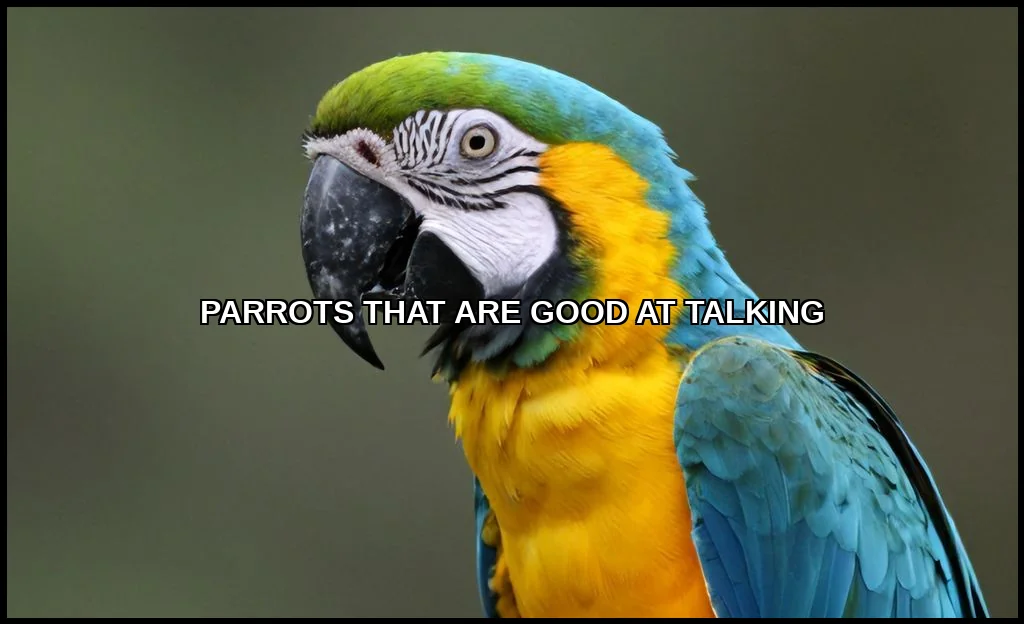
Top 5 Best Talking Parrot Species
Not all parrots are created equal when it comes to speech. Some species are renowned champions of mimicry. Here are the top contenders known for their impressive parrot talking ability.
1. African Grey Parrot
Often considered the Einstein of the bird world, the African Grey talking ability is legendary. These birds don’t just mimic; they often use words in context with startling accuracy. Their cognitive prowess is matched by their capacity for a large vocabulary, sometimes exceeding hundreds of words and sounds. They are the answer to the query, “which parrot species has the largest vocabulary?”
2. Yellow-naped Amazon Parrot
Amazon parrots, particularly the Yellow-naped and Double Yellow-headed varieties, are exceptional talkers. They are known for their loud, clear voices and playful personalities. An Amazon parrot speech is often characterized by excellent clear enunciation and a love for singing. They thrive on social interaction, which fuels their desire to communicate.
3. Budgerigar (Budgie)
Don’t let their small size fool you. Budgies are incredible mimics and hold world records for vocabulary. Budgerigar mimicry skills are top-notch, though their tiny voices can be high-pitched and sometimes harder to understand. They are often cited as one of the easiest parrots to teach due to their affordability, availability, and eagerness to learn.
4. Eclectus Parrot
The vividly colored Eclectus is another superb talker, known for its sweet, often softer voice. Both males and females can learn extensive vocabularies. Eclectus parrot sounds and speech are typically very clear, and they are less prone to the shrill screams common in other large species. Their calm demeanor can make training sessions more relaxed.
5. Cockatoo
Cockatoos are brilliant and emotional birds with a strong capacity for speech. While their Cockatoo vocabulary may not rival an African Grey’s, they excel at mimicry of tone and emotion. They are more likely to perfectly imitate your laugh, cough, or the microwave beep. Their talking is deeply tied to their need for constant social engagement.
For a deeper dive into the nuances of which species might fit your lifestyle, exploring detailed comparisons is key.
Factors That Make a Parrot a Good Talker
What separates a chatty bird from a silent one? It’s more than just species. Several interwoven factors determine a bird’s potential.
- Species & Genetics: This is the starting point. Some vocal parrot breeds like African Greys are biologically wired for advanced vocal learning.
- Individual Personality: Even within a talkative species, some birds are simply more outgoing and inclined to vocalize than their cage mates.
- Sex of the Bird: This is a common question: are male or female parrots better talkers? In some species like Budgies, males are statistically more likely to talk. In others, like Eclectus or African Greys, both sexes can be equally proficient.
- Early Socialization: Hand-fed babies raised in a language-rich environment from a young age are far more likely to become confident talkers.
- Environment & Bond: A stressed, bored, or neglected parrot won’t talk. A secure, stimulating environment with a trusted human is essential.
According to an authority guide on avian vocalization, the physical structure of a parrot’s syrinx (its vocal organ) allows for incredible sound control, but the social drive to bond is the true engine for mimicry.
Step-by-Step Training Guide for Speech
Wondering how to train a parrot to speak clearly? Patience and consistency are your best tools. Heres a practical method.
Step 1: Build Trust and a Routine
Your bird must see you as a source of safety and fun. Spend weeks just bonding before you even think about formal speech training. Establish a daily routine for interaction.
Step 2: Start with Simple, Contextual Words
Begin with one or two simple words associated with an action. “Hello” when you enter the room, or “Step up” when offering your hand. Use an excited, happy tone. Enthusiasm is contagious.
Step 3: Use Repetition and Positive Reinforcement
Repeat the chosen word clearly and consistently in the same context. The moment your bird makes any attempt to mimic the soundeven a garbled versionimmediately reward with a favorite treat and lavish praise.
Step 4: Advance to Phrases and Clarity
Once a single word is mastered, add another. Work on short phrases. Always reward the clearest attempts to encourage better enunciation. Recordings can be useful tools for repetition when you’re not home.
Step 5: Practice and Integrate Speech
Incorporate learned words into daily life. Ask questions. Have “conversations.” The goal is interactive communication, not just a party trick. This is where true personality shines through.
Care Tips for Vocal Parrots
A talking parrot is a high-maintenance companion. Their intellectual and social needs are immense. Proper care is non-negotiable for their well-being and their willingness to engage with you.
Mental Stimulation is Paramount
Boredom is the enemy. A bored parrot will become loud, destructive, and may pluck its feathers. Provide:
- Rotating selection of foraging toys and complex puzzles.
- Daily training sessions (for tricks as well as speech).
- Several hours daily of supervised out-of-cage time.
- Safe exposure to household activities and sounds.
Diet, Health, and Environment
A healthy bird is a happy, vocal bird. Their diet should be primarily high-quality pellets, supplemented with fresh vegetables, fruits, and nuts. Annual avian vet check-ups are critical. Ensure their cage is the largest you can manage, placed in a socially active part of your homebut not in the chaos of the kitchen or a drafty hallway.
| Care Aspect | Key Consideration | Impact on Vocalization |
|---|---|---|
| Social Time | Minimum 3-4 hours of direct interaction | Prevents loneliness, encourages mimicry for bonding |
| Sleep | 10-12 hours of uninterrupted darkness/quiet | Critical for cognitive function and mood |
| Noise Level | Consistent, moderate household sounds | Provides a sound library for mimicry; avoids stress |
Remember, even the best talking parrots need their quiet time. When traveling with a vocal companion, ensuring their safety and comfort is key. Choosing the best carrier for secure transport reduces stress for both of you.
Bringing a talking parrot into your life is a decades-long commitment to an intelligent, emotional being. It’s not about owning a novelty act. It’s about fostering a unique interspecies relationship built on communication. Success lies in choosing a species that matches your lifestyle, committing to its profound care needs, and engaging with patience. The rewarda feathered friend who genuinely interacts with your worldis an experience unlike any other. Start with realistic expectations, focus on the bond, and let the conversation unfold naturally.
