Imagine having a conversation with a pet that can actually reply. It’s not science fiction; it’s the reality for many parrot owners. These intelligent birds possess a remarkable ability to mimic human speech, turning a simple pet into a truly interactive companion. Their talent goes beyond simple repetition, often involving context and emotional connection.
But not all parrots are created equal when it comes to vocal learning. Some species are naturally gifted linguists, while others may never utter a word. The journey involves understanding avian intelligence, consistent training, and a lifetime commitment. For those curious about the process, many find tools like the Talking Parrot No helpful for initial engagement and practice sessions.
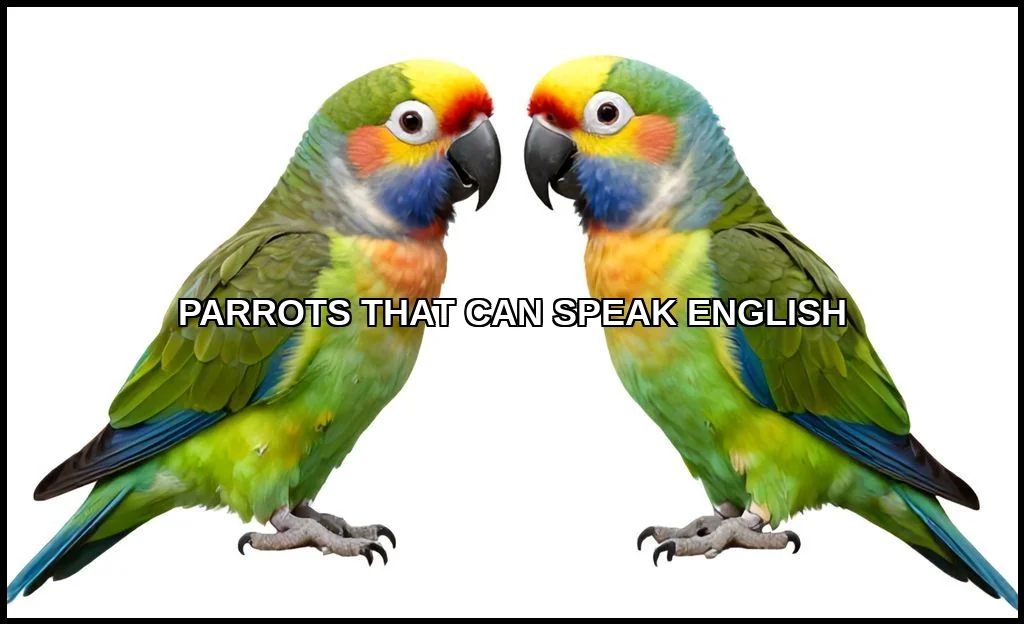
Top 5 Parrot Species That Speak English Best
If your primary goal is a chatty feathered friend, species selection is your first critical step. Some parrots have a natural predisposition for clear speech and large vocabularies. Their bird talking ability is often linked to their social structures and cognitive skills in the wild.
1. The African Grey Parrot
Often considered the Einstein of the parrot world, the African Grey talking ability is legendary. These birds don’t just mimic; they often use words appropriately. Their cognitive skills rival those of a young child. They are typically the most talkative parrot in terms of meaningful interaction, though they can be sensitive and require immense mental stimulation.
2. The Yellow-Naped Amazon
Known for their exceptionally clear voices and love for singing, Yellow-Naped Amazons are stellar talkers. They are social, playful, and often develop strong bonds with their owners, which fuels their desire to communicate. Their speech is often described as very human-like.
3. The Eclectus Parrot
Eclectus parrots are not only stunning but also articulate. They tend to have sweet, clear voices and can build impressive vocabularies. They are generally calmer than some other large parrots, making them excellent companions for those who prefer a less chaotic, talkative bird.
4. The Indian Ringneck Parakeet
This species is a fantastic choice for someone wanting a medium-sized talker. Indian Ringnecks can learn extensive vocabularies and speak with surprising clarity. They are intelligent and can be quite mischievous, requiring consistent interaction to stay engaged and happy.
5. The Budgerigar (Budgie)
Don’t let their small size fool you. Budgies hold the world record for the largest bird vocabulary. While their tiny voices can be a bit mumbly, a dedicated owner can teach them hundreds of words. They are a great entry point for those wondering, what is the easiest parrot to teach to speak?
For a deeper dive into species comparison, our guide on which parrots talk best breaks down the pros and cons of each.
How Parrots Learn & Mimic Human Speech
Parrot speech is a fascinating form of mimicry. Unlike humans, they don’t have vocal cords. Instead, they use an organ called the syrinx at the base of their trachea, allowing for incredible control and imitation of sounds. This isn’t just parrotingit’s complex vocal learning.
Their drive to mimic stems from social bonding. In the wild, flock members learn specific calls to identify and connect with each other. In your home, you become their flock. Their parrot vocabulary development is a way to integrate and communicate with their chosen family. It’s a profound form of pet bird communication.
The science behind this is incredible. Research from the official source at Audubon explains how parrot brains have a “song system” similar to humans and songbirds, dedicated to learning and producing complex sounds. This neural architecture is key to their speech imitation talents.
Step-by-Step Training Guide for Beginners
So, you want to teach parrot to talk? Success hinges on patience, consistency, and understanding your bird’s personality. Some birds learn quickly; others take months. A common question is, how long does it take for a parrot to learn English? There’s no single answerit could be weeks or a year for the first clear word.
Setting the Stage for Success
First, ensure your bird is healthy, comfortable, and trusts you. Training should happen in a quiet, distraction-free zone when the bird is alert and calm, often in the morning. Have a high-value treat ready.
The Core Training Method
- Start Simple: Choose a short, clear word like “Hello” or the bird’s name.
- Repetition is Key: Say the word slowly and clearly multiple times in an excited, happy tone. Do this in short 5-10 minute sessions, 2-3 times daily.
- Use Context: Say “Hello” every time you enter the room. This helps the bird associate the word with an event.
- Employ Social Reinforcement: The moment the bird makes any attempt that sounds close to the word, immediately reward it with praise, a treat, or a head scratch. This positive feedback loop is everything.
- Graduate Gradually: Once one word is mastered, add another. You can eventually link words into short phrases.
Wondering about the best way to train a parrot to speak clearly? Clarity often comes with time and practice. Recordings can help, but live, interactive repetition with emotional inflection is far more effective. It’s about connection.
Lifelong Care for a Talking Companion
Owning a talking parrot is a decades-long commitment. Their advanced avian intelligence means they have complex needs far beyond basic cage cleaning. Boredom and neglect can lead to behavioral issues like screaming or feather plucking, regardless of their bird talking ability.
Essential Care Requirements
- Mental Stimulation: Provide foraging toys, puzzle feeders, and rotate cage toys weekly. Training sessions are mental workouts.
- Social Interaction: These are flock animals. They need several hours of out-of-cage, supervised interaction daily. Leaving a TV or radio on can help when you’re out.
- Proper Nutrition: A diet of high-quality pellets, supplemented with fresh vegetables, fruits, and nuts, is non-negotiable for health and longevity.
- Spacious Housing: The cage must be large enough for full wing extension and flight (if possible). Bigger is always better.
Cost and Lifespan Considerations
The initial purchase price is just the beginning. You must budget for a large cage, premium food, veterinary care (find an avian specialist!), toys, and potential boarding costs. Lifespans are staggering:
| Species | Average Lifespan (in Captivity) |
|---|---|
| African Grey | 40-60 years |
| Amazon Parrot | 50+ years |
| Eclectus | 30-50 years |
| Indian Ringneck | 25-30 years |
| Budgerigar | 7-15 years |
This isn’t a pet; it’s a life partner. Planning for their future in your will or with a caretaker is a responsible step. For practical needs like travel, choosing the best travel carrier ensures safety and reduces stress for your vocal companion.
Bringing a vocal avian species into your home is a unique adventure. It’s filled with laughter, surprise, and genuine connection. The key is to choose your species wisely, commit to positive training through social reinforcement, and provide a rich, engaging life for the decades to come. Their speech is a gift, one that reflects the quality of care and bond you build together. Start with realistic expectations, celebrate the small victories, and enjoy the incredible journey of living with a creature that truly learns to communicate with you.
