Parrots mimicking human speech is one of nature’s most fascinating phenomena. It’s not just a party trick; it’s a complex interplay of biology, intelligence, and social bonding. When a parrot says “hello,” it’s engaging in a sophisticated form of social interaction that blurs the line between animal and human communication.
This ability, known scientifically as vocal learning, places parrots in an elite group alongside humans, dolphins, and some songbirds. Their talent for speech imitation isn’t about understanding language in the way we do. Instead, it’s a powerful demonstration of their cognitive skills and their deep-seated need to connect with their flockwhich, in a home, is you. For those curious about the practical side, many new owners find tools like the Talking Parrot No helpful for initial engagement and training consistency.
Top Parrot Species Known for Talking
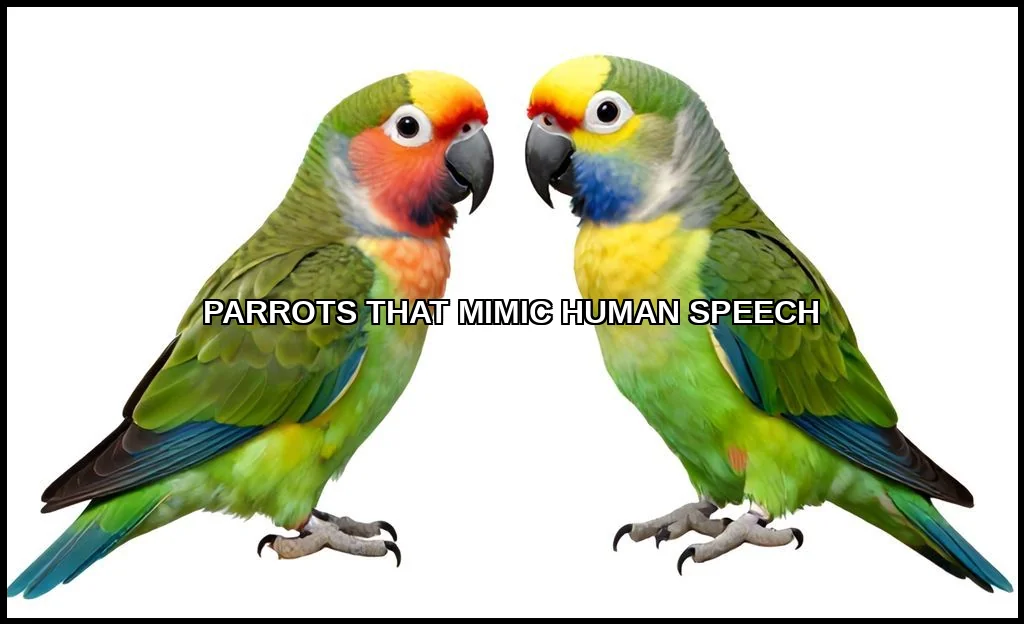
Not all parrots are created equal when it comes to parrot vocal ability. Some species are renowned chatterboxes, while others may only master a few sounds. If you’re wondering what is the easiest parrot to teach to talk, the answer often depends on the individual bird’s personality and your training dedication. However, certain species consistently top the list for their clarity and vocabulary.
The Elite Talkers
Here are five species celebrated as some of the best talking pet birds:
- African Grey Parrot: Often considered the gold standard. The African Grey talking ability is legendary, noted for incredible clarity and contextual use of words. They are profound thinkers.
- Amazon Parrots: Particularly Yellow-naped and Double Yellow-headed Amazons. They are outgoing, confident, and possess loud, clear voices perfect for mimicry.
- Eclectus Parrots: Known for their sweet, clear speech and exceptional ability to mimic tones and household sounds. They are generally gentle learners.
- Budgerigars (Budgies): The small but mighty talkers. They hold the world record for avian vocabulary. Their speech is often a high-pitched, rapid chatter.
- Indian Ringneck Parakeets: These birds can develop remarkably clear, human-like speech. They are intelligent and require consistent mental stimulation.
For a deeper dive into the pros and cons of each species, our guide on which parrots talk best breaks it down further.
How Parrots Produce Human Speech
Parrots don’t have a larynx like humans. Instead, they have a unique organ called the syrinx, located where the trachea splits into the lungs. This complex structure, with its muscles and membranes, gives them incredible control over pitch, tone, and volume. It’s the physical engine behind avian mimicry.
Their talent goes beyond anatomy. Parrots have a specialized brain pathway for parrot vocalization. They listen, process, and then reproduce sounds with startling accuracy. This is why they can mimic your laugh, the microwave beep, and your phone’s ringtone with equal precision. The official source from Audubon provides a fantastic deep dive into the neuroscience behind this ability.
A Step-by-Step Training Guide for Beginners
Training a parrot to talk is a marathon, not a sprint. Patience is your most important tool. The best age to start training a parrot to talk is when they are young and impressionable, but older birds can learn too. It’s all about building trust first.
Foundations of Success
- Build a Bond: Your bird must see you as a trusted flock member. Spend time together without pressure. This foundational social interaction is non-negotiable.
- Start Simple: Choose a short, clear word like “hello” or “hi.” Say it enthusiastically every time you greet your bird. Consistency is key.
- Use Positive Reinforcement: The moment your bird makes any attempt at the sound, reward it immediately. A favorite treat, head scratch, or verbal praise works wonders. Never punish for silence.
- Create a Quiet, Focused Environment: Train in a room without TV or other pets. Short, 5-10 minute sessions are more effective than long, tedious ones.
- Associate Words with Actions: Say “step up” when offering your hand. Say “apple” when offering a piece. This helps build contextual understanding over time.
Remember, how long does it take a parrot to learn speech varies wildly. It could be weeks or months before you hear the first clear word. Celebrate the babble and the attemptsthey’re all progress.
Common Challenges and Solutions in Speech Training
Every training journey hits snags. Anticipating them keeps frustration at bay for both you and your bird.
When Progress Stalls
- Challenge: The bird is completely silent or only whistles.
Solution: Ensure your bird is comfortable and healthy. Some individuals are just less vocal. Focus on bonding and try mimicking their whistles to build a dialogue. - Challenge: The bird talks, but only when alone.
Solution: This is common. It means they’ve learned the word but are shy. Avoid staring directly at them when they speak initially. Pretend you don’t notice, then reward calmly later. - Challenge: Unwanted or inappropriate mimicry.
Solution: You cannot “un-teach” a word. The only fix is to consistently ignore the unwanted word and heavily reward the use of preferred words. Everyone in the household must be on board.
These challenges underscore a core question: why do some parrots mimic human voices? It’s largely social integration. They’re trying to fit in. Sometimes, the “challenge” is simply the bird choosing its own social sounds. A comfortable, well-cared-for bird is a better learner, which is why choosing the best travel carrier for vet visits is part of responsible care.
Beyond Words: The Bigger Picture
Parrot speech training is about more than vocabulary lists. It’s a barometer of your relationship. A talking parrot is often an engaged and mentally stimulated parrot. Their mimicry is a gift of connection, a sign they consider you family.
Don’t neglect their other needs: a spacious cage, a nutrient-rich diet, plenty of safe toys, and out-of-cage time. Speech is just one facet of their complex parrot communication, which includes body language, eye pinning, and feather positioning.
Bringing a mimic bird into your life is a commitment to a decade-long conversation. It starts with simple words but can evolve into a unique, interspecies dialogue filled with personality. Success hinges on understanding the bird mimicry instinct, applying consistent, kind positive reinforcement, and respecting your parrot as an intelligent individual. The goal isn’t to create a feathered recorder, but to nurture a bond where communication, in all its forms, can flourish. Start with trust, celebrate the small wins, and enjoy the remarkable journey of hearing your world reflected back to you.
