You’re thinking about getting a parrot that talks. It’s a classic dream, right? The idea of a feathered friend who can hold a conversation is incredibly compelling. But not all parrots are created equal when it comes to mimicry ability. Some species are naturally gifted linguists, while others might prefer whistling or simply enjoying the sound of their own squawks.
Before you dive into species lists, it’s smart to manage expectations. Even among the best talking parrot breeds, individual bird talking ability varies wildly. Success depends on genetics, environment, and your dedication. For beginners feeling overwhelmed, a great starting point is the Talking Parrot No training guide. It breaks down the fundamentals in a clear, step-by-step way that many new owners find invaluable.
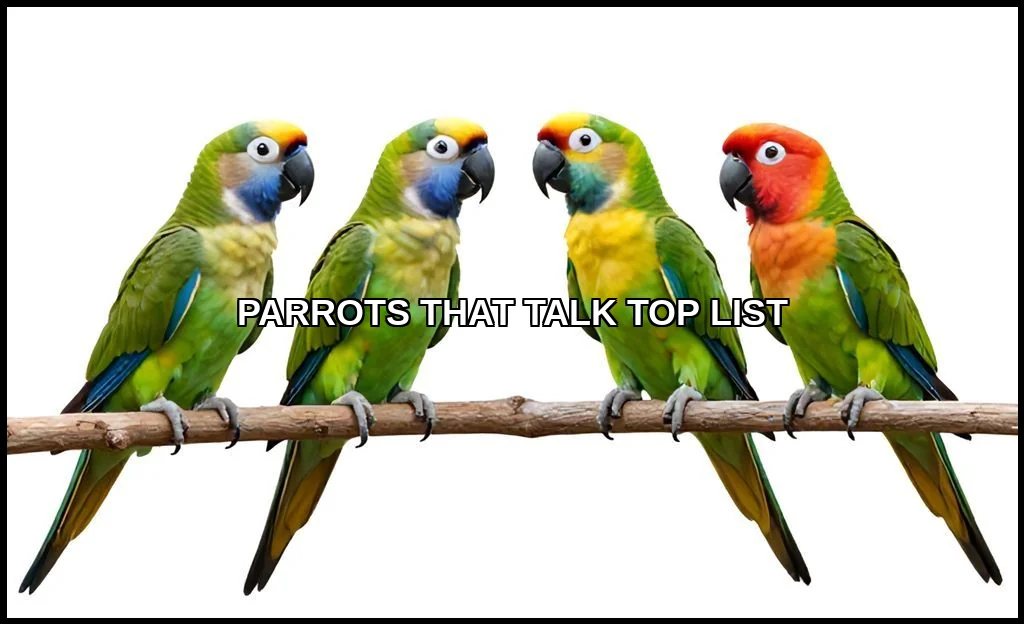
Top 5 Best Talking Parrots Ranked
This list ranks species based on a combination of vocabulary size, clarity of speech, and consistency. Remember, a bird with a smaller clear vocabulary is often more impressive than one that mumbles hundreds of words.
1. The African Grey: The Unrivaled Linguist
The African Grey is the academic of the parrot world. Renowned for its cognitive prowess, this species doesn’t just mimicit often uses words in context. Their clarity of speech is frequently mistaken for a human. Which parrot species has the largest vocabulary on average? The African Grey often wins, with some individuals reliably using over 1,000 words. They are sensitive and require immense mental stimulation, making them a commitment, not a casual pet.
2. The Yellow-naped Amazon Parrot
If the African Grey is the professor, the Yellow-naped Amazon is the charismatic singer. Amazon parrot speech is famously clear and often delivered with enthusiastic, theatrical flair. They love to sing and can master long phrases and songs. Their social, outgoing nature makes them eager participants in vocal training, though they can be strong-willed. For a deeper dive into top talkers, see our analysis on which parrots excel.
3. The Budgerigar (Budgie): The Small Package Powerhouse
Never underestimate the budgie. Holding world records for avian vocabulary, these small parrots are masters of budgerigar mimicry. What is the easiest parrot to teach to talk for beginners? Many argue it’s the budgie. They are affordable, low-maintenance compared to larger parrots, and quick learners. Their voices are high-pitched and sometimes less clear, but their capacity for learning words and phrases is astounding.
4. The Indian Ringneck Parakeet
Known for their exceptionally clear, human-like voices, Indian Ringnecks are becoming superstar talkers. They have a unique, slightly robotic tone that makes their speech remarkably easy to understand. They are intelligent and can build large vocabularies, though they often go through a “bluffing” phase in adolescence that requires patient handling.
5. The Eclectus Parrot
The stunningly beautiful Eclectus is also a talented talker. Eclectus parrot sounds and speech are typically very clear and sweet-toned. They tend to be quieter in volume than Amazons or cockatoos but are consistent in practicing their learned words. They are known for their gentle, sometimes cautious demeanor.
Factors That Influence Talking Ability
It’s not just about the species. Several key factors determine if you’ll end up with a chatterbox or a quiet companion.
- Individual Personality: Just like people, some birds are more vocal and inclined to mimic than others, even within the same clutch.
- Socialization: Birds that are hand-fed and intensely socialized with humans from a young age are far more likely to view us as their “flock” and mimic our sounds.
- Training Consistency: Daily, positive interaction is non-negotiable. Short, frequent sessions beat long, sporadic ones.
- Environment: A stressed, bored, or lonely bird won’t be in a learning mood. Mental enrichment is key.
- Sex: Are male or female parrots better at talking? In many species like budgies and cockatiels, males are statistically more likely to talk, as vocalization is often part of courtship behavior. However, in species like African Greys, both sexes can be equally proficient.
Training Tips for Teaching Your Parrot to Talk
Patience is your most important tool. Heres a practical framework to get you started.
Start Simple and Be Consistent
Begin with one or two short words, like “Hello” or the bird’s name. Say the word clearly and enthusiastically every time you interact with them, especially during rewarding activities like feeding. Repetition builds recognition.
Use Positive Association
Always pair speech training with something the bird lovesa favorite treat, head scratch, or toy. This creates a powerful positive link between mimicking you and receiving a reward. Never punish or show frustration.
Create a Quiet, Focused Environment
Turn off the TV and minimize distractions. Your bird needs to focus on you and the sound you’re making. Morning sessions often work well when the bird is rested and hungry.
Leverage Technology (Carefully)
Recordings can be useful for repetition, but they are no substitute for live, interactive bonding. Use them to reinforce words you’re already teaching, not as the primary teacher. The social interaction is what truly drives learning.
Care Considerations for Vocal Parrot Species
A talking parrot is a long-term, demanding companion. Their vocal talent is just one facet of their complex needs.
Mental Stimulation is Non-Negotiable
Intelligent birds get bored. Bored birds scream, pluck feathers, and develop behavioral issues. You must provide:
- Rotating puzzle toys and foraging opportunities daily.
- Several hours of supervised out-of-cage time.
- Training sessions that go beyond speech (e.g., trick training).
The Noise Factor
Even the most vocal pet birds have quiet moments, but they are capable of loud vocalizations. This is natural flock behavior. Can your living situation handle it? Researching the specific noise level of your chosen species is critical. A secure, well-ventilated carrier is also part of responsible care; for smaller species like Meyers, finding the best travel carrier ensures safe vet visits.
Lifespan and Commitment
How much does a talking African Grey parrot cost? The initial purchase price ($1,500 to $3,500+) is just the beginning. Larger parrots live for 30 to 80 years. You are making a lifetime commitment that includes thousands in vet care, high-quality food, toys, and possibly bird-sitting. Plan for your pet in your will.
| Species | Key Talking Trait | Consideration |
|---|---|---|
| African Grey | Unmatched vocabulary & context use | High sensitivity, needs complex enrichment |
| Yellow-naped Amazon | Clear, loud, theatrical speech | Very social, can be noisy, needs firm guidance |
| Budgerigar | High capacity in a small package | Great beginner bird, voice can be less clear |
| Indian Ringneck | Exceptionally clear, human-like tone | Can go through a difficult adolescent phase |
| Eclectus Parrot | Sweet, clear voice | Specific dietary needs, generally quieter |
Choosing a best talker parrot is about more than just talent. It’s about matching a bird’s natural instincts, care requirements, and noise level with your lifestyle and commitment level. Start by listening to recordings of different parrots that mimic speech to see which voice you connect with. Remember, the goal isn’t a performing novelty, but a deep, communicative bond with an intelligent creature. For a fascinating look at the science behind this ability, this authority guide on avian speech is an excellent resource. The right talking parrot isn’t just a pet that repeats wordsit’s a lifelong feathered family member whose chatter will become the soundtrack of your home.
