
Florida’s Top 7 Birding Trails: Unforgettable Avian Adventures Await!
By Erick Updated 12 min read
As an Amazon Associate I earn from qualifying purchases. That costs you nothing and does not decide what gets recommended. We also earn a commission from some links to partner brands (POPOSOAP, Kiwibit Inc.).
On this page (8 sections)
- Why Florida is the Ultimate Birding Destination
- The Top 7 Trails (Detailed Breakdown)
- The Ultimate Birding Calendar: When to Go
- Essential Gear & Field Craft (Optics, Apps, Clothing)
- Birding Ethics: Respecting Wildlife and Habitats
- Sample Itineraries: Weekend Road Trip Plans
- Frequently Asked Questions (FAQs)
- What to Do With This Information
You’ve driven two hours to a famous wildlife refuge, parked, and walked the boardwalk. You see a few egrets, maybe a heron. But the trees are quiet, and the water looks empty. You check your phone, shrug, and drive home wondering what the fuss was about.
That happens to almost everyone who visits Florida’s birding spots without a plan. The difference between seeing 15 birds and 85 birds isn’t luck. It’s timing, tides, and knowing exactly where to stand. This guide walks you through the seven best trails in the state, but more importantly, it gives you the strategy: when to go, what to bring, and how to read each habitat so you actually find the birds.
You’ll walk away with a month-by-month calendar, honest notes on trail difficulty and fees, and a few itineraries that turn these spots into a proper road trip.
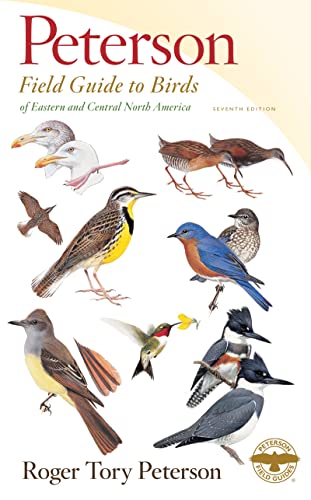
Before you pack the car, grab a reliable reference. The Peterson Field Guide To Birds Of Eastern & Central North America covers every species you’ll likely encounter on these trails, and the updated range maps matter more than you think—wintering zones shift, and the seventh edition reflects current data. It’s not the lightest book in a backpack, but it settles arguments and confirms those tricky fall warbler IDs.
Why Florida is the Ultimate Birding Destination
Florida sits at the crossroads of two major flyways. Birds moving south for winter pour through the peninsula, and species that breed nowhere else in the U.S. nest here in summer. You get resident wading birds, wintering ducks, migratory songbirds, and year-round raptors—often on the same morning.
The state’s geography creates distinct habitats within a short drive. Mangrove estuaries, freshwater marshes, pine flatwoods, and coastal dunes each host a different crowd. A single weekend can produce a list of 120 species if you hit the right habitats at the right hour. That’s not bragging; that’s the math of Florida’s biodiversity.
What most guides miss is the seasonal angle. The “best” trail in June is a ghost town compared to the same boardwalk in January. So consider this a seasonal strategy guide, not just a list of pretty places.
The Top 7 Trails (Detailed Breakdown)
Trail 1: Everglades National Park (Anhinga Trail)
The Anhinga Trail is a half-mile paved loop and boardwalk over Taylor Slough. It’s the most accessible birding in the park—flat, wheelchair-friendly, and no parking fee beyond the park entrance ($30 per vehicle, good for seven days).
Go at first light. By 9 AM, the tour groups arrive, and the birds retreat to the far reeds. In winter, you’ll see anhingas drying their wings on the railings, purple gallinules walking on lily pads, and sometimes a limpkin hunting apple snails. The trail is famous for close views; birds often ignore you entirely.
Bring mosquito repellent even in December. The still water breeds them year-round, and they will find you. The trail itself takes 45 minutes if you move slowly, but plan for two hours—the observation tower at the end offers a wide view of the marsh that’s worth the walk.
Trail 2: Merritt Island National Wildlife Refuge
Merritt Island sits on the Atlantic coast near Cape Canaveral, and it’s the best place in Florida for wintering ducks and shorebirds. The Blackpoint Wildlife Drive is a 7-mile one-way gravel road. You stay in your car or get out at designated stops. A $10 daily fee per vehicle covers it.
This is a tidal system, so time your visit with the tide, not just the clock. Arrive two hours after high tide, when shallow pools concentrate fish and birds feed aggressively. In January, you’ll see thousands of ducks—blue-winged teal, northern shovelers, and the occasional canvasback. The impoundment areas also host American avocets and roseate spoonbills, which look absurdly pink against the gray winter sky.
The road is passable in a sedan, but slow down. Painted buntings often hop across the gravel in fall, and they don’t move fast.
Trail 3: Corkscrew Swamp Sanctuary
Corkscrew, near Naples, protects the largest old-growth bald cypress forest in North America. The 2.25-mile boardwalk winds through pine flatwoods, wet prairie, and the swamp itself. Admission is $17 for adults, and the trail is fully accessible with benches every few hundred feet.
This is the reliable spot for the ghost of the swamp: the wood stork. They nest here in colonies from December through March, and the sight of 50 storks in the cypress canopy is something you won’t forget. You’ll also hear the loud, strange calls of barred owls, and if you’re lucky, a swallow-tailed kite soaring overhead in April.
The boardwalk is slow going—2.5 hours minimum—because the light filters through the canopy in shafts that make every bird look like it’s on a stage. Bring a tripod if you shoot photos; the shade is deep, and handheld shots will disappoint.
Trail 4: J.N. “Ding” Darling National Wildlife Refuge
On Sanibel Island, Ding Darling is a mangrove ecosystem that hosts an absurd variety of wading birds. The 4-mile Wildlife Drive is open to cars, bikes, and walkers (Wednesday through Sunday, $10 per vehicle). The drive is paved and flat.
Best time is the hour after low tide, when exposed mudflats draw roseate spoonbills, reddish egrets, and white ibis. The mangrove edges hold mangrove cuckoos and yellow-crowned night-herons, but you’ll need patience—they hide in the roots. The observation tower at the end of the drive gives a panoramic view of the flats, and it’s the single best photography spot on the island.
One honest caveat: the drive can feel crowded in season. Go on a weekday, and you’ll have the best blinds to yourself.
Trail 5: St. Marks National Wildlife Refuge
St. Marks, in the Panhandle near Tallahassee, is the northern gateway to Florida’s birding. It’s a mix of pine forests, salt marshes, and the St. Marks River estuary. The 5-mile Lighthouse Road is open to cars, and the entrance fee is $5 per vehicle.
This is the winter home for huge flocks of snow geese and Canada geese, plus ducks like gadwall and redheads. The observation tower at the end of the road overlooks the Gulf, and in fall, you’ll see migrating raptors—broad-winged hawks and ospreys—riding thermals south. The refuge also hosts the rare red-cockaded woodpecker in its pine stands, but you need to know the specific clusters; ask at the visitor center.
The refuge closes at sunset, and the gates lock. Don’t test that. Plan your exit with an hour to spare.
Trail 6: Orlando Wetlands Park
This is a working water treatment facility that doubles as a birding paradise, and it’s free. Located east of Orlando, the park has 20 miles of trails and a 1.5-mile drive (open Friday through Sunday). You can also walk or bike any day.
The irony is that the nutrient-rich water creates an insect buffet, which attracts wading birds in numbers that rival the Everglades. In spring and summer, you’ll see nesting limpkins, least bitterns, and purple gallinules. In winter, the impoundments hold hundreds of blue-winged teal and ring-necked ducks.
The trails are flat and well-marked, but there’s little shade. Summer mornings are brutal; go at dawn and bring two liters of water. The observation tower near the entrance gives a good overview, but the best birding is a mile in, past the treeline.
Trail 7: Fort De Soto Park
Fort De Soto, south of St. Petersburg, is a collection of islands with beaches, mangroves, and a historic fort. The park entrance fee is $5 per vehicle, and the North Beach area has a boardwalk that’s excellent for shorebirds.
This is the place for migrating shorebirds in April and September. You’ll see sanderlings, dunlin, red knots, and marbled godwits working the surf line. The mudflats on the bay side, near the old pier, host willets and oystercatchers. The park also has a hawk watch station in fall, where you can count migrating peregrine falcons and merlins.
The best views come from the old fort’s gun emplacements, which overlook the bay. Bring a scope; the birds on the far sandbars are small specks without one.
The Ultimate Birding Calendar: When to Go
Florida’s birding year splits into four distinct seasons, and each trail changes character completely.
November to February (Winter Residents) is the peak season. Ducks, geese, and shorebirds arrive from the north. The Everglades, Merritt Island, and St. Marks are at their best. Expect cool mornings (40-60°F) and comfortable afternoons. This is when you’ll see the largest numbers of birds, but also the most birders.
March to May (Spring Migration) brings warblers, vireos, and tanagers moving north. Corkscrew and Fort De Soto are the top spots. The birds are singing, and the breeding plumage is spectacular. This is the best time for photography because the light is softer and the birds are more active.
June to August (Nesting Season) is hot, humid, and buggy. Most trails are quiet, but Orlando Wetlands and Ding Darling still host nesting wading birds. Go early, leave by 10 AM, and don’t skip the insect repellent. The upside: fewer crowds and the chance to see chicks on the nest.
September to October (Fall Migration) is a second wave, but it’s less predictable. Raptors move south along the coast, and shorebirds pass through Fort De Soto. St. Marks and Merritt Island pick up again as ducks return. The weather is still warm, but the crowds are gone.
Essential Gear & Field Craft (Optics, Apps, Clothing)
You don’t need expensive gear to enjoy these trails, but a few items make the difference between frustration and success.
- Binoculars: An 8×42 pair is the standard for a reason—bright, wide field of view, and easy to hold steady. If you wear glasses, check the eye relief spec (15mm or more works). Skip the cheap 10×25 compacts; they’re dim and hard to aim.
- Field Guide: The Peterson guide is the one I keep in the car. The maps are on the facing page, so you don’t flip back and forth. It’s not waterproof, so keep it in a ziplock bag.
- Spotting Scope: Bring one for the open water at Ding Darling and Fort De Soto. A 20-60x zoom on a tripod is heavy, but it turns a distant speck into a lifer. You’ll regret not having it.
- Apps: eBird is essential—it shows recent sightings at each trail, so you know what’s actually there today. Merlin can identify birds by sound, which helps in dense mangroves. Download offline maps for the refuges; cell service is spotty.
- Clothing: Lightweight, neutral colors (olive, tan, gray). No bright white or red—birds see it. Long pants and closed-toe shoes are non-negotiable in summer; the trails have snakes and fire ants. A wide-brimmed hat and sunscreen are obvious, but people still forget them.
One thing I learned the hard way: bring a small folding stool. Most of these trails have benches, but the best spots—like the edge of the marsh at Orlando Wetlands—don’t. Sitting still for 20 minutes brings birds closer than any call playback.
Birding Ethics: Respecting Wildlife and Habitats
Florida’s birds are under pressure from habitat loss and climate change. How you behave on the trail matters more than you think.
The American Birding Association’s Code of Birding Ethics is short, but it boils down to three rules. First, don’t disturb birds. If a bird flushes or flies away because of your presence, you’re too close. Back up. This is especially important during nesting season—a flushed parent leaves eggs or chicks exposed to heat and predators.
Second, never use playback (recorded bird calls) to lure a bird in for a photo. It stresses the bird and wastes its energy. You’ll see people doing it at Corkscrew for the barred owls. It’s not okay, and it’s often illegal in national parks.
Third, stay on the designated trails. The boardwalks and paths exist to protect the fragile marsh edges and nesting areas. Stepping off the path can crush nests or trample plants that filter the water. The refuges are working landscapes; treat them with the same respect you’d give a neighbor’s yard.
Finally, report your sightings on eBird. The data helps researchers track populations, and it helps other birders know what’s around. It takes two minutes and makes the whole community smarter.
Sample Itineraries: Weekend Road Trip Plans
You can visit these trails individually, but they pair well into road trips. Here are three plans that work.
South Florida Loop (3 days): Start at Everglades National Park’s Anhinga Trail (Day 1 morning). Drive to Corkscrew Swamp (Day 2 morning). Finish at Ding Darling on Sanibel (Day 3 morning). Total driving is about 4 hours, and each trail is a half-day. Stay in Naples or Fort Myers for easy access.
Central Florida Weekend (2 days): Hit Orlando Wetlands Park on Saturday morning, then drive to Merritt Island (45 minutes east) for the afternoon tide. On Sunday, do the Blackpoint Wildlife Drive again at dawn, then head home. This is a low-cost trip—both parks are under $10 per vehicle.
Panhandle & Gulf Coast (2 days): Start at St. Marks National Wildlife Refuge (Day 1 morning), then drive 4 hours south to Fort De Soto (Day 2 morning). This covers the northern and southern extremes, and you’ll see completely different species. Book a hotel in Tampa for the second night.
Each itinerary assumes you’re there for the birds, not the beach. If you want a beach day, swap the afternoon for any nearby shore—the birds will still be there the next morning.
For more ideas on matching trails to your skill level, check out these scenic birding trails or this guide to seasonal birding trails for migratory species.
Frequently Asked Questions (FAQs)
What is the single best month for birding in Florida?
January, without question. Wintering ducks, geese, and shorebirds are at their peak numbers, and the weather is cool enough to bird all day. The only downside is the crowds at the famous spots like Anhinga Trail and Ding Darling. Go on a weekday and arrive at dawn to beat them.
Do I need a spotting scope, or are binoculars enough?
Binoculars are enough for most trails. The Anhinga Trail, Corkscrew, and Orlando Wetlands offer close views. But at Ding Darling and Fort De Soto, the birds are often 100+ yards out on mudflats. A scope turns those distant dots into identifiable species. If you’re serious about shorebirds, rent or borrow one before you buy.
Are these trails suitable for children or beginners?
Yes, with caveats. The Anhinga Trail and Corkscrew boardwalks are flat, short, and have railings—perfect for kids. Orlando Wetlands has wide, even paths but no shade, so summer trips are tough. Merritt Island’s drive is great because you can stay in the car. Avoid Fort De Soto in the heat of the day; the open beaches are exhausting.
What should I do if I see a bird that appears injured or sick?
Leave it alone. Many birds, like the anhinga, sun themselves with wings spread—that’s normal, not distress. If a bird is truly injured (bleeding, unable to stand), contact the refuge visitor center or a local wildlife rehabber. Do not pick it up; it’s often illegal, and you can do more harm than good.
Can I bring my dog on these trails?
Almost never. National wildlife refuges and national parks prohibit pets on trails to protect wildlife. Corkscrew and Orlando Wetlands also ban dogs. The exception is Fort De Soto, which has a designated dog beach, but not on the boardwalk. Leave the dog at home or with a sitter; the birds will thank you.
What to Do With This Information
- Pick one trail and go at dawn. The first hour of light is worth more than any gear upgrade.
- Check eBird the night before your visit to see recent sightings and adjust your route.
- Pack the Peterson field guide, a water bottle, and repellent before you leave the house.
- Time your visit to the tide at Merritt Island and Ding Darling—it’s the difference between a full list and a quiet walk.
- Respect the nesting birds. Back off if they flush, and never use playback to lure them.
- Plan a weekend trip using one of the itineraries above, and book lodging near the trailhead to maximize morning hours.
- Log your sightings on eBird after each trip—you’ll build a personal record and contribute to science.