
You’re glassing a distant ridge, searching for that trophy elk. The animal is there, but the shot is complex. Steep angle, tricky wind, unknown distance. This is where traditional optics fall short. Modern ballistic calculator technology, integrated directly into laser rangefinder binoculars, turns guesswork into a precise, data-driven solution. It’s a game-changer for serious hunters and shooters.
These aren’t just binoculars with a rangefinder slapped on. They are sophisticated field computers. They combine crystal-clear optics, precise laser ranging, and advanced ballistics software to give you a corrected holdover or dial solution in seconds. For hunters who demand the best gear, this integration represents the pinnacle of hunting optics technology. A solid entry point into this category is the Leupold BX-4 Range, which offers reliable rangefinding in a proven binocular platform.
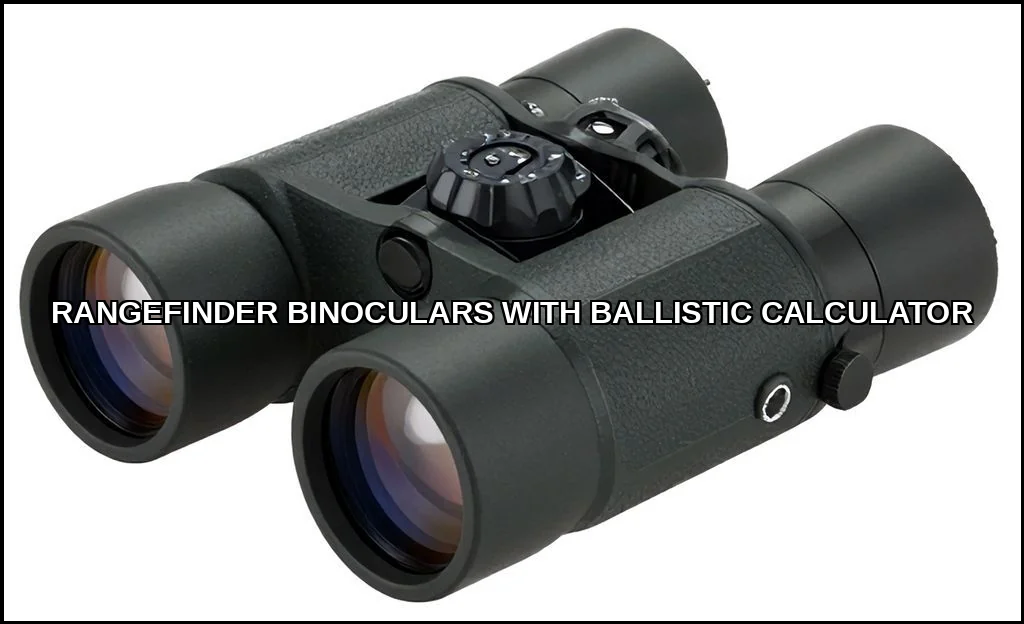
What Are Rangefinder Binoculars with Ballistic Calculator?
Think of them as your spotter and ballistician in one compact unit. At their core, they are high-quality binoculars. Built into them is a laser rangefinder that measures distance with extreme accuracy. The magic happens with the onboard computerthe ballistic solver. This processor takes the raw distance, factors in the rifle and ammunition data you’ve programmed, and calculates the exact point of aim.
This process automatically includes angle compensation, a critical factor often missed in flat-range shooting. Whether you’re shooting from a treestand or across a canyon, the device knows the true ballistic distance. The result is displayed directly in the viewfinder, often as a illuminated reticle showing where to hold. This seamless integration eliminates fumbling with separate devices, a significant advantage when time and stealth are critical.
Key Features and How the Ballistic Technology Works
The technology feels like wizardry, but it’s grounded in precise physics. Heres what makes these integrated ballistic solution binoculars tick.
- Laser Rangefinder: The foundation. It emits an invisible laser pulse to the target and measures the time it takes to return. Modern units are effective from 10 yards to well over a mile, with reflective ranges even further.
- Onboard Ballistic Computer: This is the brain. Using a sophisticated ballistic solver enginelike the popular Applied Ballistics Ultralightit crunches numbers in milliseconds.
- Environmental Sensors: Many premium models include sensors for temperature, pressure, and tilt (for angle). This live data refines the calculation beyond what a pre-programmed table can offer.
- User Inputs: You must input your rifle’s specific data: caliber, bullet weight, muzzle velocity, and ballistic coefficient. Some systems store dozens of profiles for different guns.
- Display & Reticle: The solution is shown via an illuminated mil-dot reticle or a digital readout in the viewfinder. You simply put the indicated dot on the target and shoot.
The process is: range, calculate, display. All in one fluid motion. For a deep dive on the math behind these systems, the NSSF provides an excellent authority guide.
Critical Jargon Explained
Angle Compensation: This isn’t just cosine. Advanced solvers use a “true ballistic path” calculation, accounting for how gravity acts on the bullet over the curved, angled trajectory. It’s more accurate than a simple horizontal distance adjustment.
Ballistic Coefficient (BC): A number that represents a bullet’s ability to overcome air resistance. A higher BC means the bullet retains velocity and energy better. Your ballistic calculator uses this to model flight.
Top Brands and Models Compared
The market is led by a few key innovators, each with a distinct approach. Your choice often comes down to ecosystem preference and specific use cases.
| Brand & Model | Key Technology | Best For | Considerations |
|---|---|---|---|
| SIG Sauer BDX Series | BDX ecosystem, Bluetooth connectivity to SIG scopes | Hunters invested in a connected SIG system | The rifle scope integration is seamless; the scope’s reticle automatically illuminates the holdover point. |
| Vortex Fury AB 5000 | Applied Ballistics Ultralight solver, full environmental sensors | Long-range shooting precision and competition | Considered one of the most accurate ballistic engines available. Excellent for extreme distances. |
| European Brands (Swarovski, Zeiss) | Unmatched optical clarity, often with simpler trajectory calculators | Purists who prioritize optical quality above all | Their ballistic functions may be less feature-rich than dedicated ballistic rangefinder binoculars for hunting. |
A common debate is rangefinder binoculars with ballistic calculator vs separate devices. The integrated unit wins for speed and simplicity. The separate laser rangefinder and handheld ballistic data device offer more computational power and flexibility but require more steps. For most hunters, the all-in-one solution is the clear choice in the field.
The Missing Discussion: Bow Hunting and Thermal
Most content focuses on rifle hunting. But these tools have broader applications. For bowhunters, angle compensation is arguably more critical due to the dramatic arc of an arrow. A ballistic solver calibrated for arrow ballistics can be incredibly effective.
the next frontier is thermal imaging integration. Imagine smart binoculars for long range shooting that not only range and calculate but also see heat signatures in pitch darkness. This technology is emerging at the ultra-premium tactical level and will eventually trickle down.
Practical Applications: Hunting and Long-Range Shooting
This isn’t just gadgetry. It translates directly to success and ethics in the field.
- Elk Hunting in the Mountains: This is the classic scenario for the best rangefinder binoculars with ballistic calculator for elk hunting. You’re dealing with long shots across vast, angled terrain. The device gives you the confidence to make an ethical, one-shot kill at extended ranges.
- Western Varmint Control: When shooting prairie dogs or ground squirrels at 300+ yards, wind and drop are huge factors. The instant calculation allows for rapid, accurate follow-up shots.
- Precision Rifle Competition: Shooters use these to get fast, accurate data for their spotters. The ability to range, calculate, and communicate a correction is faster than using a separate ballistic app on a phone.
The core benefit is decision speed. You get a green light (or a red light) on a shot opportunity faster. This reduces game spooking and increases clean harvest rates. It also builds immense shooter confidence.
Buying Guide: How to Choose the Right Model
With prices ranging from $800 to over $3,000, the question are ballistic calculator binoculars worth the money is valid. They are, if your hunting style demands it. Heres how to decide.
- Define Your Primary Use: Are you a mountain hunter needing extreme range and angle? A whitetail hunter in mixed timber? The former needs a powerful laser and advanced solver; the latter might prioritize close-range speed and durability.
- Optical Quality is Non-Negotiable: You’ll glass with these for hours. Brightness, clarity, and color fidelity matter. Don’t sacrifice glass for features. This is where brands known for hunting optics, like the ones that make the best optics in their respective fields, earn their keep.
- Ballistic Engine Power: Does it use a proven solver like Applied Ballistics? Does it have onboard environmental sensors, or does it rely on manual input? Sensors add cost but also precision.
- Ecosystem Compatibility: If you use a SIG BDX scope, their binoculars make perfect sense. If you’re a Vortex fan, their Fury AB is the natural fit. Lock-in is a real consideration.
- Ergonomics and Battery Life: It must feel good in your hands. The buttons must be usable with gloves. Battery life for both the optics and the laser/computer is critical on long trips.
Start with your maximum realistic shooting distance. Add 25% to that for the device’s effective ranging capability. Then, match the ballistic features to the complexity of your shots. For most big game hunters, a model with a quality engine and basic environmental input is more than sufficient.
The evolution from simple rangefinding binoculars with ballistic app to fully integrated systems represents a significant leap. It democratizes precision that was once reserved for military snipers. Whether you’re chasing elk in the Rockies or honing your skills on the long-range course, these tools remove variables and let you focus on the fundamentals of marksmanship. The shot still belongs to you. But now, you have the best data in the world to make it count.
