
Rolling bird crate for vet transport: what width clears a clinic door
By Erick Published 11 min read
As an Amazon Associate I earn from qualifying purchases. That costs you nothing and does not decide what gets recommended. We also earn a commission from some links to partner brands (POPOSOAP, Kiwibit Inc.).
On this page (10 sections)
In short: ADA public entrances commonly provide 32 inches of clear width. Treat that as a reference, not a guarantee. Measure your narrowest doorway and the crate at its widest point, including wheels, platform and handle. Leave a practical margin for turning and obstructions. A 28-inch exterior crate can suit a clear 32-inch opening on a straight approach, but your route decides.
Part of our guide on metal parrot travel cage air travel
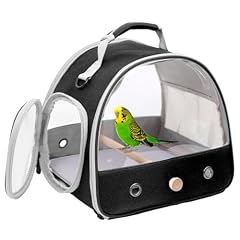
Bird Travel Carrier, Portable Small Bird Parrot Parakeet
At 10 inches wide it slips through even the tightest 32-inch clinic door with over two feet to spare, but
Check the specs on Amazon
At 11.6 inches wide it clears a 32-inch door with roughly 20 inches of margin, and the double doors plus
Check the specs on Amazon
Suertree Bird Carrier Airline Approved
At 10.2 inches wide it passes any standard clinic entrance easily, and the stainless steel mesh and seat-belt
Check the specs on Amazon| Product | measured exterior width (in) | Verdict | |
|---|---|---|---|
| Bird Travel Carrier, Portable Small Bird Parrot Parakeet Carrier with halinfer | 10.0 in wide vs 32 in clear opening: 22 in of margin | Not published | View on Amazon |
| Suertree Small Bird Carrier Suertree | 11.6 in wide vs 32 in clear opening: ~20 in of margin | Not published | View on Amazon |
| Suertree Bird Carrier Airline Approved Suertree | 10.2 in wide vs 32 in clear opening: ~22 in of margin | Not published | View on Amazon |
| Bird Transport Carrier for Large Bird with Perch Stand Tray and Grate halinfer | 12.0 in wide vs 32 in clear opening: 20 in of margin | Not published | View on Amazon |
| YOOSO WING Folding Bird Travel Cage with Carry Bag YOOSO WING | 8.8 in wide vs 32 in clear opening: ~23 in of margin | Not published | View on Amazon |
| Door reference | ADA public entrances commonly provide 32 in clear width |
|---|---|
| Width limit | Measure the route and leave turning margin |
| Interior height | Perched bird height plus clear headroom |
| Exterior height | Interior height plus base, castor mount and roof trim |
| Wheel check | Soft, quiet wheels with at least two locks |
| Safety checks | Bar spacing, airflow and secure door latches |
| Short trips | Offer water before leaving; avoid an open bowl in motion |
The short version
- Measure the narrowest doorway, then measure the crate, platform and handle at their widest points.
- Measure your bird perched and relaxed. The interior must let the bird stand without touching the roof or floor.
- Add the base, castor mount and roof trim to interior height. Check both height figures on the listing.
- Check bar spacing, ventilation, secure latches and two locking castors before buying.
- Strap the crate or remove its wheeled base before driving. An unrestrained crate can slide or tip under braking.
- Keep the crate shaded and out of draughts. Never leave a bird in a wheeled crate inside a hot or cold car.
What a rolling bird crate is
A rolling bird crate for vet transport is a hard-sided carrier on wheels or a separate cart. It lets you move a parrot or small bird without carrying the full load across a car park.
Some carriers have castors attached to the base. Others sit on a trolley platform. A platform can add its own width. Measure the platform, not just the crate.
Measure two things at home. Check your bird perched and relaxed for interior space. Then measure every doorway, turn and car opening on the route.
Door clearance and route width
ADA requires 32 inches of clear width at many public entrances. Interior clinic doors can differ. Measure your own route instead of relying on a typical doorway. We cover coop size for 2 silkies in its own article.
Measure between the trim with the door held open. Check the front entrance, waiting room, corridor and consult room. Measure at the crate base, where wheels and platforms pass.
Compare the widest part of the loaded crate with the narrowest opening. Leave room for a straight approach and turning. A sideways handle can add several inches to effective width; measure yours.
A cart platform adds its own width; measure the platform, not just the crate. Include wheel hubs, brake pedals, folded handles and any loose cover. It helps to understand secure bird travel cage before going further.
- Measure every doorway on the route.
- Measure the crate, cart and handle at their widest points.
- Check trim, mats, open doors and wall corners.
- Test any 90-degree turn before buying.
| Item | What to measure | Why it matters |
|---|---|---|
| Door opening | Clear width between trim | Sets the physical limit |
| Crate | Widest exterior point | Shows the real footprint |
| Cart | Platform width and wheel span | A platform may be wider |
| Handle | Side projection when extended | Can catch the frame |
| Corner | Approach and turning space | A straight opening may still fail |
Bird Travel Carrier, Portable Small Bird Parrot Parakeet Carrier with
At 10 inches wide it slips through even the tightest 32-inch clinic door with over two feet to spare, but you'll carry it by hand or sling – no wheels are included, so pair it with a narrow folding platform cart.
- Height 11.5 inches
- Length 14.0 inches
- Width 10.0 inches
Interior and exterior height
Measure your bird perched and relaxed. Measure from the top of the head to the lowest tail tip while the bird stands naturally. The interior must leave clear space above the head and keep the tail from pressing against the floor.
A cockatiel provides a useful example. If your bird measures 12 inches in its normal perched posture, choose a crate with more than 12 inches of usable interior height. Check the perch position, not only the shell height.
Exterior height adds the base, castor mount and roof trim. Add those parts up, or check both interior and exterior figures on the listing. The outside number decides whether the crate fits beneath a hatch, shelf or car roof.
Listings often quote one height without saying which measurement it uses. Ask the seller for internal height, external height and height with wheels fitted.
Suertree Small Bird Carrier
At 11.6 inches wide it clears a 32-inch door with roughly 20 inches of margin, and the double doors plus easy-clean tray make clinic-day messes manageable.
- Height 11.0 inches
- Length 12.6 inches
- Width 11.6 inches
Wheels, brakes and handles
Choose quiet wheels with some cushioning. Hard plastic wheels pass paving joints into the crate. A nervous bird can grip, flap or lose balance after each jolt.
At least two castors should lock. Test the locks on tile and pavement before placing the bird inside. A crate should stay put when parked in a waiting room.
Swivel wheels help with turns, but they don't remove the need to measure. A fixed sideways handle can catch a door frame. Prefer a telescoping, folding or recessed handle.
An unrestrained crate that slides or tips under braking is the obvious injury risk in the car. Use the vehicle belt through approved strap points, or remove the cart base if the manufacturer permits it.
- Choose quiet, cushioned wheels.
- Use at least two working castor locks.
- Measure the handle in its travel position.
- Confirm the crate has safe vehicle restraint points.
| Part | Check | Reason |
|---|---|---|
| Castors | Two or more locks | Stops movement while parked |
| Wheel tread | Quiet, cushioned material | Reduces vibration |
| Swivel action | All wheels turn freely | Helps controlled manoeuvring |
| Handle | Folds or retracts | Reduces doorway snags |
| Base | Approved strap points | Improves car restraint |
Bird safety specifications
Bar spacing must suit the bird. A head or foot should not pass through the bars. Use the spacing printed by the manufacturer, and ask an avian vet if the listing gives no measurement.
Ventilation needs openings on more than one side. Air must move through the carrier without a direct draught across the bird. Never cover every vent with a blanket.
The door needs a secure latch. A bird can work a simple sliding catch with its beak. Look for a latch that closes positively, then add a small bird-safe clip if the manufacturer allows one.
Use a firm, non-slip floor. A fixed perch should not swing during movement. Remove loose toys and heavy bowls that could strike the bird on a sudden stop.
- Match bar spacing to the bird's head and feet.
- Keep ventilation openings clear.
- Test the door latch with gentle pulling.
- Use a fixed perch and non-slip floor.
Real products to compare
Named products help you test the method, but dimensions change between versions. Check the current manufacturer listing before buying.
The Pet Gear I-GO2 Traveler is a small wheeled pet carrier. One listed version measures about 16.5 by 12.5 by 15.5 inches externally. Its size may suit a small bird, but verify bar spacing, airflow and internal height.
The Prevue Pet Products Travel Bird Cage 1304 is a hard-sided bird travel cage listed at about 18 by 14 by 21 inches. It is a bird carrier example rather than a complete wheeled crate. A separate cart would add its own footprint.
The Yaheetech rolling bird cage is listed in large versions around 25 by 18 inches at the base, with much greater overall height. It may roll well, but its cage format, bar spacing and interior layout may not suit a short vet trip.
These products show why a product name is not enough. Compare the fitted exterior width, internal height, bar spacing, latch, ventilation and restraint method against your route.
- Pet Gear I-GO2 Traveler: check the listed external footprint.
- Prevue Travel Bird Cage 1304: check fit and cart width.
- Yaheetech rolling bird cage: check cage format and height.
- Confirm current dimensions before ordering.
| Product | Listed or common external size | What to verify |
|---|---|---|
| Pet Gear I-GO2 Traveler | About 16.5 x 12.5 x 15.5 in | Bird fit, airflow and latch |
| Prevue Travel Bird Cage 1304 | About 18 x 14 x 21 in | Wheels, bar spacing and restraint |
| Yaheetech rolling bird cage | About 25 x 18 in base on some versions | Version, cage height and route width |
Car travel and weather
Secure the carrier before driving. Route the seatbelt through approved points, or use a properly fitted restraint system. The crate must not slide or tip during a hard stop.
A wheeled base can complicate restraint. Remove it only when the manufacturer says the carrier can travel safely without it. Never rely on locked castors as a car restraint.
Keep the bird away from direct sun, air-conditioning vents and open windows. A parked car can become dangerously hot or cold before you return from the clinic.
Use a breathable cover on a cold, draughty route, but leave ventilation open. In a car park, move the crate straight into the building. Don't leave the bird waiting inside the wheeled crate.
- Secure the carrier before the engine starts.
- Keep vents clear and avoid direct draughts.
- Shade the crate from sun and heat.
- Never leave the bird unattended in a parked car.
Water and recovery use
An open bowl can spill during a short drive. Offer water before leaving, then follow your avian vet's advice for the trip length. A small piece of suitable produce may help on some journeys, but don't introduce unfamiliar food before treatment.
A travel crate is not a recovery cage. Post-surgery birds may need more room, low perches, food and water placement, and close monitoring. Ask the vet what enclosure the recovery plan requires.
The buying mistake is trusting one dimension. Check the complete footprint, interior space, safety fittings and car restraint method before paying.
- Offer water before leaving.
- Follow the vet's feeding and hydration instructions.
- Use a separate recovery enclosure when prescribed.
- Save the measured route and bird dimensions.
Choose a hard-sided carrier or crate-cart with measured exterior dimensions, suitable bar spacing, clear ventilation, a secure latch and at least two locking castors. Fit it to the narrowest doorway and vehicle space on your route.
Questions people still ask
What width crate fits through a standard clinic door?
ADA public entrances commonly provide 32 inches of clear width, but clinic interiors vary. Measure the narrowest opening and compare it with the crate, cart and handle at their widest points. Leave room for turning and obstructions.
Does a wheeled crate need its own brake or lock?
Yes. Choose at least two locking castors and test them on the surfaces you will use. Wheel locks keep the crate parked, but they do not restrain it in a car.
How tall should the inside of the crate be?
Measure your bird perched and relaxed, from head top to tail tip. Choose enough usable interior height for the bird to stand without touching the roof or floor. Add the base, castor mount and roof trim when checking exterior height.
What safety specifications matter for a bird carrier?
Check bar spacing, ventilation on more than one side, a secure door latch, a fixed perch and a non-slip floor. Match each measurement to your bird rather than assuming a pet carrier is suitable.
Can one crate serve both transport and home recovery?
Usually not for multi-day recovery. Ask your avian vet about space, perch height, food, water and monitoring after treatment.
How do I secure a wheeled crate in the car?
Use approved strap points or the manufacturer's restraint method. Remove a cart base only if the manufacturer permits it. Confirm the carrier cannot slide or tip before driving.