
Imagine a companion who greets you with a cheerful “hello” and can learn your favorite phrases. That’s the unique charm of a talking parrot pet. These intelligent birds offer more than just vibrant feathers; they provide interactive companionship through their remarkable ability to mimic human speech. It’s a fascinating blend of pet ownership and a truly unique bond.
Of course, owning a talking bird is a significant, long-term commitment. Their intelligence demands mental stimulation, their social nature requires daily interaction, and their long lifespans mean a promise spanning decades. Before you dive in, it’s wise to understand the full picture. For those enchanted by the idea but not ready for a live bird, lifelike animatronic companions like the Talking Macaw Parrot can offer a fun, low-commitment taste of the experience.
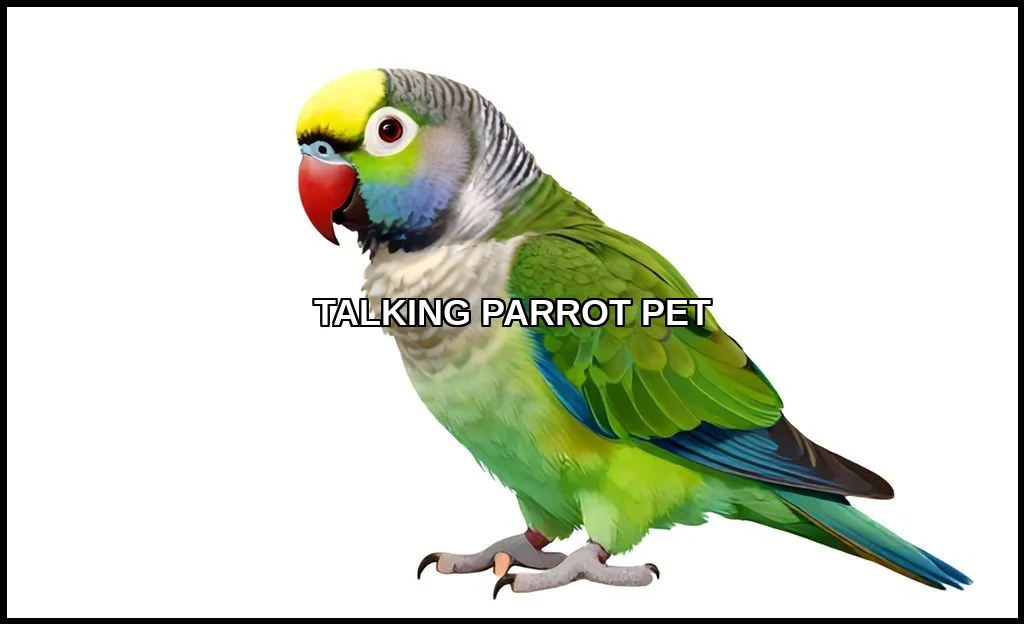
Top 5 Best Talking Parrot Species Compared
Not all parrots are created equal when it comes to speech. Some species are renowned chatterboxes, while others may only master a few words. Your choice depends heavily on your experience level, time, and tolerance for noise. Heres a breakdown of the top contenders.
1. African Grey Parrot
Often considered the Einstein of the parrot world, the African Grey is the undisputed champion of mimicry and contextual speech. They don’t just repeat words; they often use them appropriately. Their cognitive abilities are astounding. However, they are sensitive, require immense mental enrichment, and can be prone to feather-plucking if bored or stressed. Not a bird for casual owners.
2. Amazon Parrot
Amazon parrots, like the Yellow-headed or Double Yellow-headed, are fantastic talkers with big, playful personalities. They are known for their exceptional clarity and love to sing. They can be louder and more demanding than Greys, thriving on constant social interaction. A well-socialized Amazon is a joyful, lifelong friend, but their strong wills require consistent training.
3. Budgerigar (Budgie)
Don’t let their small size fool you. Budgies are excellent talkers and are arguably the best talking parrot for beginners. They have surprisingly extensive vocabularies, are relatively low-cost, and have simpler care needs. While their voice is softer and more robotic, their ability to learn is impressive. What is the easiest parrot to teach to talk? Many experts point right here.
4. Eclectus Parrot
Known for their stunning sexual dimorphism (males are green, females red), Eclectus parrots are gentle, clear talkers. They tend to have softer voices and a calmer demeanor compared to Amazons. Their specialized diet, high in fruits and vegetables, requires careful attention. They form deep bonds and can be wonderfully affectionate family members.
5. Quaker Parrot (Monk Parakeet)
Quakers are small packages packed with personality and talking talent. They learn quickly, have good clarity, and are incredibly social. Be aware: they are illegal to own in some U.S. states due to their potential as an invasive species. Always check your local laws. They are also prolific nest-builders, so provide plenty of safe materials.
| Species | Talking Ability | Best For | Noise Level | Approx. Lifespan |
|---|---|---|---|---|
| African Grey | Exceptional | Experienced owners | Moderate | 40-60 years |
| Amazon Parrot | Excellent | Active, social owners | High | 50+ years |
| Budgerigar | Very Good | Beginners & families | Low-Moderate | 7-15 years |
| Eclectus | Very Good | Owners seeking a calmer bird | Low-Moderate | 30-50 years |
| Quaker Parrot | Excellent | Interactive owners (check legality) | Moderate-High | 20-30 years |
For a deeper dive on vocal talents, our guide on which parrots talk best breaks down the nuances of parrot speech.
Essential Care Guide: Diet, Cage & Enrichment
Proper parrot care is the non-negotiable foundation for a healthy, talkative bird. A stressed or unhealthy parrot won’t be in the mood to learn. Their needs are complex and specific.
Diet & Nutrition
A seed-only diet is a recipe for malnutrition. Modern avian nutrition emphasizes:
- High-Quality Pellets: Should form 60-70% of the diet, providing balanced nutrition.
- Fresh Vegetables & Fruits: Daily offerings of leafy greens, sweet potatoes, peppers, and berries.
- Limited Seeds & Nuts: These are high-fat treats, not staples.
- Clean Water: Changed at least twice daily.
Consult your avian veterinarian for a species-specific plan. An annual check-up is a must.
Cage & Environment
The cage is your bird’s home, not just a container. Go big. The minimum width should be 1.5 times your bird’s wingspan. Bar spacing must be appropriate to prevent injury. Place it in a socially active part of your home, but away from drafts, direct sunlight, and kitchen fumes. Safety first.
The Critical Role of Enrichment
Boredom is the enemy of a pet parrot. Enrichment is everything that stimulates their mind and body.
- Toys: Rotate a variety of foraging toys, shreddables, puzzles, and chewable wood.
- Out-of-Cage Time: Several hours daily for supervised exploration and flight (in a safe, bird-proofed room).
- Social Interaction: This is the most important enrichment. Talk, train, and simply be with your bird.
Proper housing includes safe transport. When travel is needed, using the best travel carrier ensures security and reduces stress.
Step-by-Step Training Techniques for Speech
Parrot training for speech is less about drilling and more about positive, patient interaction. You’re encouraging a natural behavior. Forget about forcing it. The key is consistency and making it rewarding.
Setting the Stage for Success
Start with a tame, comfortable bird that willingly steps up. Training sessions should be short (5-15 minutes), frequent, and always end on a positive note. Have high-value treats readysomething your bird goes crazy for, like a piece of pine nut or millet spray.
The Training Process
- Choose Simple Words: Start with “hello,” “hi,” or your bird’s name. Use an enthusiastic, clear tone.
- Repetition in Context: Say the word every time you greet your bird or give a favorite treat. Context helps.
- Reward Attempts: The moment your bird makes any sound resembling the word, immediately praise and treat. You’re rewarding the effort.
- Build Gradually: Once one word is mastered, add another. You can eventually link words into phrases.
- Be Realistic: Not every bird will talk. Some are shy. Appreciate them for who they are.
How to train a parrot to talk clearly? Clarity often improves with time and maturity. Keep your own pronunciation crisp. For more insights, this authority guide on parrot speech from an official source offers a scientific perspective on vocal learning.
Cost Breakdown & Where to Responsibly Acquire One
The initial parrot price is just the entry fee. Responsible ownership requires budgeting for decades of care. Let’s talk numbers and ethics.
Initial & Ongoing Costs
- Bird Purchase: Ranges from $20 for a budgie to $2,500+ for an African Grey. How much does a talking African Grey cost? Expect $1,500 to $3,000 from a reputable breeder.
- Cage & Setup: $200 – $1,000+.
- Annual Food & Toys: $300 – $800.
- Veterinary Care: $100-$300 for annual check-ups. Emergency funds are critical.
That parrot lifespan of 30 to 60 years means these are recurring costs for most of your adult life.
Responsible Acquisition: Avoid Impulse Buys
Where you get your bird matters immensely.
- Reputable Breeders: The best choice for a hand-fed, socialized baby. They health-test their birds and offer lifelong support.
- Avian Rescues & Sanctuaries: An admirable option. Many wonderful talking birds need second homes. Be prepared for potential behavioral baggage and a slower bonding process.
- Avoid: Pet stores (often source from mills), online classifieds, and breeders who won’t let you visit.
Visit the facility. Ask for references. A good breeder or rescue will interview you just as thoroughly.
Bringing a talking parrot into your life is a decision that echoes for decades. It’s a journey of mutual learning, filled with moments of sheer wonder and undeniable challenge. The joy of a feathered friend who shares your phrases is unmatched. But it’s earned through daily commitment, financial planning, and a deep respect for their complex needs. Do your homework, connect with a good avian veterinarian early, and be honest about the lifestyle change. If you’re ready, the rewarda unique, intelligent, and truly talking companionis like nothing else.
