Parrots talking isn’t just a party trick. It’s a complex form of social vocalization and mimicry rooted in their wild behavior. In nature, these intelligent birds use learned calls to fit into their flock. Your living room becomes their new flock, and your words become their social glue. This innate ability to imitate sounds, from whistles to full sentences, is what makes certain parrot species such captivating companions.
But not all parrots are created equal when it comes to speech clarity and vocabulary. Some species are naturally gifted mimics, while others may prefer whistling or simply enjoy the sound of their own squawks. If you’re fascinated by this avian talent, you’re not alone. For a deeper dive into the biology behind it, this authority guide from Audubon is a fantastic resource. And for a fun, fictional take on a chatty bird, many enthusiasts enjoy the Max Bad-talking Parrot storybook. It’s a humorous look at the potential, and sometimes chaotic, reality of life with a vocal parrot.
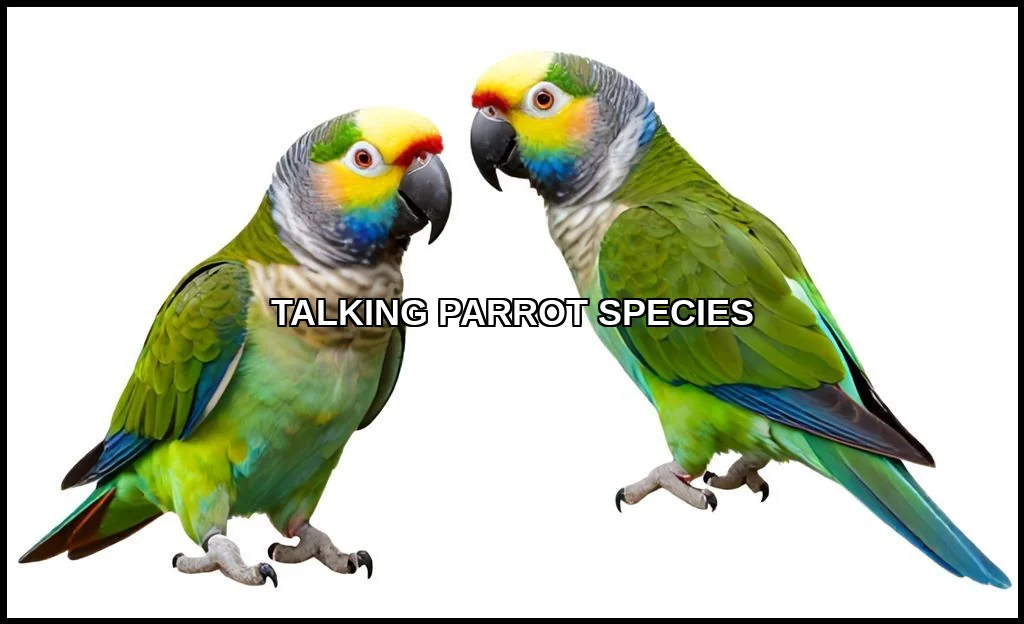
Top 5 Best Talking Parrot Species Ranked
Choosing a parrot based solely on talking ability is a common mistake. However, if speech imitation is a top priority, these species consistently rank highest for their vocalization skills and clarity.
1. African Grey Parrot
The undisputed champion of the talking bird world. The African Grey talking ability is legendary, often compared to a young child’s. They don’t just mimic; they associate words with meaning, context, and emotion. Their speech clarity is often unnervingly accurate. They require immense mental stimulation and can be sensitive, making them best for experienced owners.
2. Amazon Parrots
Yellow-naped, Double Yellow-headed, and Blue-fronted Amazons are especially talented. Amazon parrot speech is typically clear, loud, and enthusiastic. They often excel at singing songs and have a playful, outgoing personality that matches their vocal prowess. They are social and demand significant interaction.
3. Budgerigar (Budgie/Parakeet)
Don’t let their size fool you. Budgies hold world records for vocabulary, sometimes exceeding 1,000 words. Budgie talking training can be very successful, especially with males, though their voices are small and high-pitched. They are arguably one of the easiest parrots to teach for beginners due to their availability and generally agreeable nature.
4. Indian Ringneck Parakeet
Known for their exceptionally clear voices, Ringnecks often sound like they have a slight British accent. They are quick learners and can build large vocabularies. However, they can go through a hormonal, nippy phase during adolescence. Consistency is key with these intelligent birds.
5. Cockatoo
Cockatoos are brilliant and can learn many words and phrases. However, a cockatoo vocabulary is often secondary to their need for constant, intense companionship. They are incredibly emotionally demanding. Their talking is impressive, but the sheer volume of their natural screams is a major consideration. They are not for the faint of heart.
For a more detailed breakdown on which species might fit your lifestyle, our comparison guide can help.
What Influences a Parrot’s Talking Ability?
It’s not just about species. Several factors determine if your bird will become a chatterbox or a strong, silent type.
- Species & Genetics: As outlined above, some vocal parrot breeds are simply hardwired for better mimicry.
- Individual Personality: Just like people, some birds are more outgoing and vocal than others, even within the same clutch.
- Sex: This leads to a common long-tail question: do female parrots talk as well as males? In many species, like budgies and cockatiels, males are statistically more likely to talk and mimic sounds. In others, like African Greys, the difference is less pronounced. Never choose a bird solely on gender expectations.
- Socialization & Environment: A bird that is isolated, stressed, or bored is unlikely to engage in vocal play. They need to feel safe and part of the family.
- Training Consistency: Your effort is a huge variable. Regular, positive interaction is non-negotiable.
Your Step-by-Step Guide to Training a Parrot to Talk
Patience is your most important tool. You’re encouraging a natural behavior, not forcing a trick.
Step 1: Build Trust and Bond
Your bird must see you as a safe, positive part of its life before any serious training begins. Spend time near the cage, talk softly, and offer treats from your hand. Rushing this step will backfire.
Step 2: Start with Simple Sounds
Begin with short, clear words or whistles. “Hello,” “Hi,” or a simple whistle tune. Use an excited, happy tone. Emotion captures their attention. Repeat the word clearly several times in a row during calm, one-on-one sessions.
Step 3: Associate Words with Actions & Objects
This is where avian talking skills become more meaningful. Say “Apple” when you offer a piece. Say “Up” when you ask them to step onto your hand. This contextual learning is what separates parrots from simple recording devices.
Step 4: Use Positive Reinforcement
The instant your bird makes any attempt at the sound, even a garbled version, immediately reward them. Use a favorite treat, head scratch (if they like it), or enthusiastic praise. Timing is everything.
Step 5: Be Consistent and Patient
Short, daily sessions of 5-15 minutes are far better than one long, frustrating hour. Some birds learn in weeks; others may take months to utter their first word. How to teach a cockatiel to talk follows the same rules, though their smaller voice box produces a softer, sometimes whistlier sound.
Care and Social Needs for Vocal Parrots
A talking parrot is a mentally engaged parrot. Their environment must support their intelligence.
Mental Stimulation is Non-Negotiable
Boredom leads to behavioral problems like screaming, feather plucking, and aggression. Provide:
- Rotating selection of foraging toys (puzzle feeders, shreddable items).
- Training sessions for tricks beyond just talking.
- Safe, supervised out-of-cage time for exploration.
The Right Environment
The cage should be the largest you can manage, with varied perches of different diameters. Place it in a socially active part of your home, but not in direct chaos. They need to observe the “flock” but also have a quiet retreat. For travel, whether to the vet or on adventures, having a secure carrier is part of responsible care. Finding the best carrier for your bird’s size and temperament is a smart move for any owner.
Diet and Health
A poor diet directly impacts cognitive function and energy. A high-quality pellet base should be supplemented with fresh vegetables, some fruits, and healthy grains. Annual avian vet check-ups are crucial to rule out health issues that could affect their mood and willingness to vocalize.
| Species | Speech Clarity | Learning Speed | Best For |
|---|---|---|---|
| African Grey | Exceptional | Moderate to Fast | Experienced, dedicated owners |
| Budgerigar | Good (but high-pitched) | Fast | Beginners, families |
| Amazon Parrot | Very Good | Fast | Active owners who enjoy loud interaction |
| Indian Ringneck | Exceptional | Fast | Owners comfortable with strong personalities |
| Cockatoo | Good | Moderate | Extremely committed owners with time/space |
So, which parrot species talks the clearest? African Greys and Indian Ringnecks often take that prize. But the best talking parrot for beginners often balances talking potential with manageable care; here, the budgie frequently wins. Ultimately, the bird that will talk the best for you is the one whose complex needs for diet, enrichment, and social connection you can fully meet. Their voice is a gift that comes from a foundation of well-being. Choose the companion, not just the conversationalist.
