
The Fascinating Lifecycle of a Chicken: From Egg to Feathered Friend in Just 6 Months
By Erick Updated 3 min read
As an Amazon Associate I earn from qualifying purchases. That costs you nothing and does not decide what gets recommended. We also earn a commission from some links to partner brands (POPOSOAP).
On this page (7 sections)
The lifecycle of a chicken begins with an egg, hatches into a chick, grows through stages of pullet and cockerel, and matures into a feathered adult.
Watching a chicken grow from egg to adulthood is one of nature’s most rewarding miracles. In just 21 days, a lifeless egg transforms into a peeping ball of fluff. Within 6 months, that tiny hatchling becomes a fully-feathered companion. Whether you’re raising backyard chickens or simply curious about avian development, understanding this journey reveals the incredible resilience of these birds.

MIKNEKE
MIKNEKE Montessori Chicken Life Cycle with Flash…
- Life Cycle Matching Card Set: Contains Plastic Cock Life Cycle Sets and 4 Cards.
- Great for Educational: This Montessori Animal Matching Game is Made for Kids to Help Prepare Them for School.
- Realistic Growth Stages Details : Enhance Your Kid'S Imagination And Creativity While Teaching Through These Realistic Animals. Gr…
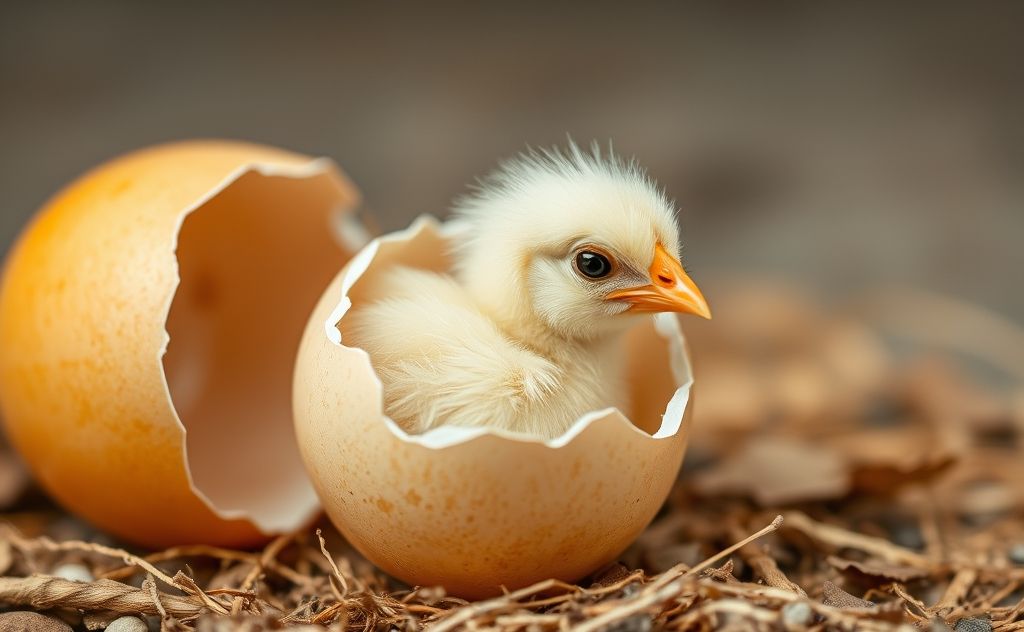
The Egg Stage: 21 Days of Transformation
Every chicken begins as a fertilized egg containing all the genetic blueprints for life. The incubation period holds three critical phases:
Days 1-7: Embryonic Development
- Day 1: Heart forms and begins beating
- Day 3: Limb buds appear
- Day 7: Egg tooth develops for hatching
Days 8-14: Rapid Growth
The embryo grows from 5% to 90% of egg space. Feather follicles form while the chick absorbs yolk nutrients. Proper temperature (99.5°F) and humidity (60%) are crucial.
Days 15-21: Final Preparation
| Day | Development Milestone |
|---|---|
| 15 | Scales, claws, and beak firm up |
| 18 | Yolk sac pulls into body |
| 20 | Chick positions for hatching |
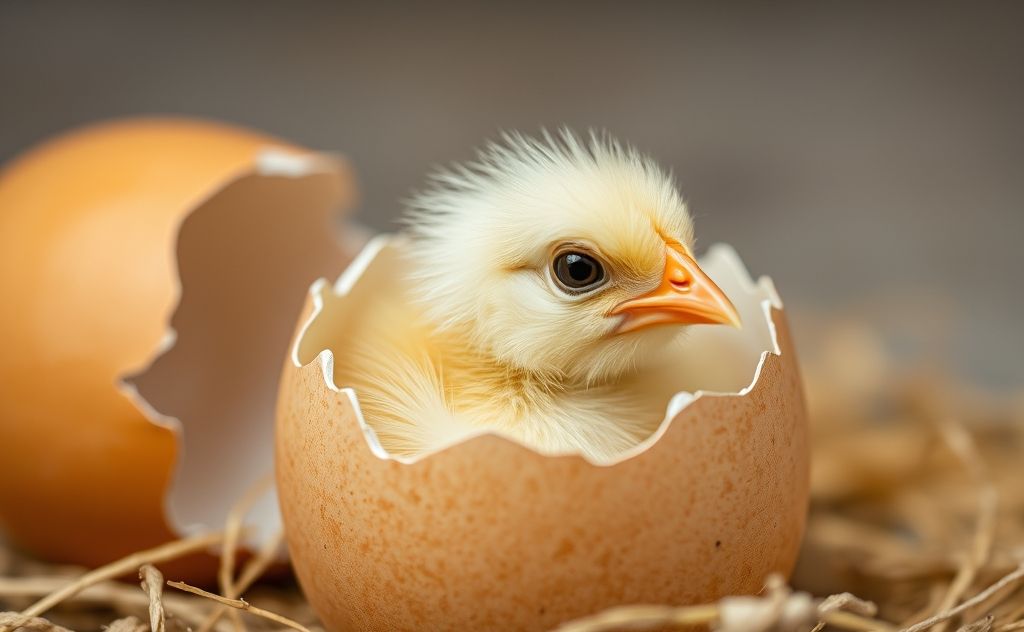
The Hatching Process: Nature’s Marathon
Witnessing a chick hatch is unforgettable. The process typically follows this sequence:
- Internal pip: Chick breaks into air cell (day 20)
- External pip: First crack in shell appears
- Zipping: Chick rotates to create fracture line
- Emergence: 12-18 hour struggle to escape shell
Never help a chick hatch unless absolutely necessary. The struggle strengthens their respiratory and muscular systems. As noted in our guide on how to hatch chicken eggs with an incubator, interference often does more harm than good.
Brooding Phase: Critical First Weeks
Newly hatched chicks require careful attention during their first 4-6 weeks:
Week 1 Essentials
- Temperature: 95°F brooder, reduced by 5° weekly
- Feed: 20-22% protein starter crumbles
- Water: Shallow dishes with marbles to prevent drowning
Week 2-4 Development
Wing feathers emerge first, followed by tail and body plumage. Chicks begin dust bathing and perching behaviors. Social hierarchy forms through gentle pecking.
The Awkward Teenage Phase: Pullets and Cockerels
Between 6-20 weeks, chickens undergo dramatic changes:
| Age | Physical Changes | Behavioral Changes |
|---|---|---|
| 6-8 weeks | Flight feathers complete | Increased curiosity |
| 10-12 weeks | Comb/wattles redden | Gender-specific behaviors emerge |
| 16-20 weeks | Adult plumage replaces fluff | Roosters begin crowing |
This is when breeds show distinct characteristics. For example, Leghorns develop faster than Orpingtons. Our article on when chickens start laying eggs by breed details these variations.
Adulthood: Egg Laying and Maturity
Most hens begin laying between 18-24 weeks. Key milestones include:
- First eggs: Small, irregular shapes and sizes
- Peak production: 30 weeks to 2 years old
- Annual molt: Feather regeneration at 18 months
According to University of Kentucky research, proper nutrition can extend peak laying by 12-18 months. Calcium-rich feed and oyster shell supplements prevent thin-shelled eggs.
Senior Years: Caring for Aging Chickens
With proper care, chickens live 5-10 years. Signs of aging include:
- Decreased egg production after year 3
- Slower molting and feather regrowth
- Reduced activity levels
Senior chickens benefit from lower-protein feed (16%) and joint supplements. As Cornell University’s poultry experts note, environmental enrichment becomes increasingly important for mental stimulation.
For those interested in observing wild bird behaviors, our guide to the best binoculars for bird watching can enhance your backyard observations.
Related pick: Check today's price on Amazon
