
Picture a kaleidoscope of green, a living cathedral of trees stretching toward the sky. This is the tropical rainforest, Earth’s most vibrant and complex biome. For countless parrot species, it’s not just homeit’s an entire universe of food, shelter, and social interaction woven into the dense foliage.
These forests are the ultimate stage for avian drama. From the raucous flocks of macaws to the smaller, chattering amazon parrot species, every layer of the jungle pulses with life. Their survival is a masterclass in adaptation. For parrot enthusiasts wanting to bring a slice of this vertical world home, providing ample space is key. Many owners find that a large, sturdy cage like the Yaheetech 69-inch Wrought flight cage allows their birds to climb and flap, mimicking the freedom of their natural canopy layer.
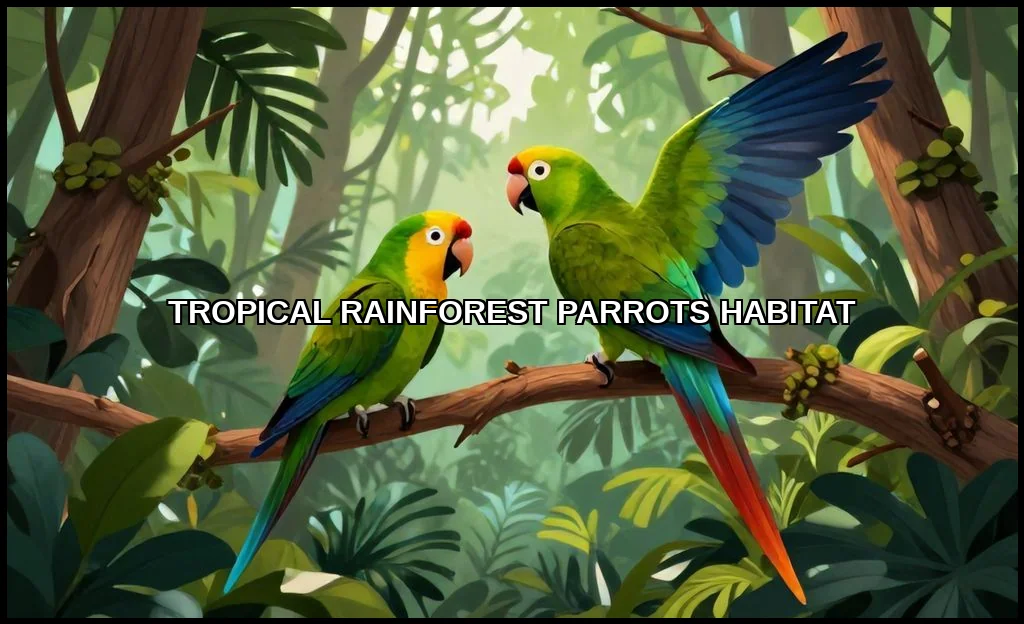
The Rainforest’s High-Rise: Where Parrots Live
The tropical rainforest is vertically stratified, like a multi-story apartment building. Different parrot species have evolved to claim their specific floors, a strategy that reduces competition and maximizes resource use. This vertical zoning is fundamental to the rainforest bird ecosystem.
The Penthouse Suite: The Canopy
This is the primary domain for most large, iconic rainforest canopy birds. The canopy, 60 to 130 feet above the ground, is a world of abundant sunlight, fruit, and nuts. It’s the answer to the long-tail query: what layer of the rainforest do macaws live in?
- Scarlet Macaws & Blue-and-Yellow Macaws: These giants are built for this space. Their powerful wings allow for long-distance travel between fruiting trees.
- Many amazon parrot species: Species like the Mealy Amazon and Yellow-headed Amazon patrol the high canopy in search of fruit and seeds.
- Adaptations: Strong, curved beaks for cracking hard nuts, zygodactyl feet (two toes forward, two back) for expert climbing, and vibrant colors that blend with sun-dappled leaves and flowers.
The Middle Stories: The Understory
Beneath the dense canopy, the understory is a dimmer, more enclosed world. Here, you’ll find a different cast of parrot natural environment specialists.
- Pionus Parrots: Often quieter and more sedate, they forage for berries, seeds, and blossoms in this shaded realm.
- Some Conures & Parrotlets: Smaller size allows them to navigate through the tangled branches and vines more easily.
- Adaptations: Often more subdued plumage for camouflage in the low light, and sometimes a more frugivorous (fruit-heavy) diet.
Feeding the Flock: Diet and Ecosystem Role
Parrots are not mere residents; they are active, critical engineers of the avian habitat rainforest. Their daily search for food shapes the forest itself.
A Varied Menu
So, what do parrots eat in the tropical rainforest? The answer is impressively diverse. Primary parrot food sources include:
- Fruits & Nuts: The staple. Figs, palms, and tropical fruits provide essential carbohydrates and fats.
- Seeds: Consumed in massive quantities, often from unripe fruits that other animals can’t access.
- Nectar & Pollen: Species like lorikeets have specialized brush-tipped tongues for this sugary diet.
- Leaves, Bark, & Clay: Clay from riverbanks (a behavior called “geophagy”) is consumed to neutralize toxins found in some seeds.
The Unseen Job: Seed Dispersal
This is perhaps their most vital ecological function. Parrots are messy eaters. They drop fruit, discard uneaten seeds, and their droppings contain viable seeds. This act of seed dispersal helps regenerate the forest, planting future trees miles from the parent. Without parrots, the diversity and health of the rainforest would collapse.
Nesting, Family, and Life Cycle
Finding a safe place to raise chicks is a major challenge in the competitive jungle. Parrot nesting sites are fiercely contested real estate.
High-Rise Nurseries
Most parrots are cavity nesters. They cannot excavate wood like woodpeckers, so they rely on finding the perfect pre-existing hole.
- Tree Cavities: The gold standard. Old, decaying trees (often in specific stages of rot) provide secure, insulated chambers.
- Cliff Faces & Termite Mounds: Macaws often nest on sheer clay cliffs, while some parakeets burrow into active termite mounds.
- Competition is Fierce: These sites are limited. Parrots compete with each other, toucans, bees, and other wildlife for the best spots.
Raising the Next Generation
Parrots invest heavily in few offspring. Both parents share duties: incubating eggs, guarding the nest, and making countless feeding trips. The chicks develop slowly, staying in the nest for weeks or months, learning vocalizations and behaviors critical for survival. This long juvenile period is why parrots are so intelligent and, for some species, makes them exceptional companionsa topic explored in our guide on which parrots talk.
Under Threat: The Fight for Survival
The idyllic tropical parrot habitat is under siege. The primary threat is stark and relentless.
The Shadow of Deforestation
Deforestation impact parrots is catastrophic and multi-faceted. It’s not just habitat loss; it’s the fragmentation and degradation of everything they need.
| Threat | Direct Impact on Parrots |
|---|---|
| Habitat Clearance | Destroys nesting trees and food sources instantly. Flocks have nowhere to go. |
| Habitat Fragmentation | Creates isolated “islands” of forest. Parrots can’t travel between them to find food or mates, leading to genetic decline. |
| Illegal Pet Trade | Often follows new roads into forests. Adults are killed to steal chicks from nests for the black market. |
| Climate Change | Alters fruiting cycles and rainfall patterns, disrupting the delicate seasonal clock parrots rely on. |
This complex answer to how does deforestation affect parrot populations shows it’s a death by a thousand cuts.
Guardians of the Green: Conservation in Action
Global rainforest conservation efforts are the only buffer against extinction. Successful programs are holistic, combining science, community action, and policy.
- Protected Areas & Corridors: Establishing and properly guarding national parks. Creating forest corridors to reconnect fragmented habitats.
- Community-Based Conservation: Employing local people as forest guardians, promoting sustainable agroforestry, and making live parrots more valuable through ecotourism than through the pet trade.
- Nest Box Programs: Installing artificial nest boxes to compensate for the lack of old, cavity-bearing trees. This has boosted populations of Blue-throated Macaws and others dramatically.
- Anti-Trafficking Enforcement: Strengthening laws and border controls to disrupt the illegal wildlife trade.
For those wondering about the best conservation programs for rainforest parrots, look for organizations that integrate these methods. Supporting reputable groups is crucial. You can learn more about global efforts from the WWF’s authority guide on the subject.
Living Legacy
The shriek of a macaw echoing through the canopy is a sound of wild abundance. It signifies a functioning forest, a complete system. Protecting parrots means protecting the intricate web of life they supportthe trees they plant, the fruits they spread, the very health of our planet’s lungs. Their future hinges on our ability to value forests as living ecosystems, not timber or land banks. For those who share their lives with these intelligent birds, providing a rich, spacious environment is a personal act of respect for their wild heritage. Ensuring their comfort and well-being, from a proper diet to a secure travel carrier like the best travel carrier for vet visits, connects our care directly to the grandeur of their origins. Their survival is not just a conservation goal; it’s a measure of our own ecological conscience.
