You’ve probably seen them. A parrot perfectly mimicking a laugh, asking for a snack, or even having a back-and-forth with its owner. These parrot talking videos are more than just internet entertainment. They’re a fascinating window into avian intelligence and the unique parrot-human bond that makes this possible.
What you’re witnessing is complex vocal learning, a trait rare in the animal kingdom. It’s not just random noise. When a parrot talks to you, it’s engaging in a sophisticated form of social bonding. This article will explore the science behind it, show you how to find the best clips, and give you practical steps if you want to encourage your own feathered friend to chat.
The Science Behind Parrot Speech: More Than Mimicry
When a parrot says “hello,” it’s performing a cognitive feat. Unlike most animals, parrots can learn and produce new sounds throughout their lives. This ability, known as vocal learning, is shared by only a few species, including humans, dolphins, and some songbirds. The foundation of this skill lies in their unique anatomy and brain structure.
Parrots don’t have vocal cords. Instead, they have a specialized organ called the syrinx, located where the trachea splits into the lungs. This allows for incredible control and the production of two different sounds simultaneously. Their brains are equally specialized. They possess a “song system” of interconnected nuclei that govern parrot vocalization and learning. Studies, like the groundbreaking work by Irene Pepperberg with an African Grey named Alex, have shown that some parrots can associate words with meanings, colors, and numbers, demonstrating true referential communication.
So, why do parrots talk to their owners? The primary driver is social integration. In the wild, parrots live in complex flocks where vocalizations maintain bonds and establish identity. In your home, you become their flock. Your voice is the sound they want to replicate to connect with you. This parrot mimicry is a sign of affection and a desire to belong. For a deeper dive into the evolutionary “why,” the research compiled at Britannica’s exploration of why parrots talk is an excellent resource.
Ethical Considerations of Encouraging Speech
It’s important to approach talking as a fun, mutual activity, not a demand. Parrots are individuals. Not all will talk, and forcing the issue can cause stress. Focus on the relationship first. Speech should be a byproduct of a happy, enriched life, not the sole goal. Always respect their autonomy.
Top Parrot Species for Talking & Mimicry
While many parrots can learn a few words, some species are renowned for their clarity, vocabulary size, and contextual understanding. If you’re looking for a chatty companion, these are the stars you often see in those amazing African grey parrot talking to owner videos.
- African Grey Parrot: Often considered the Einstein of the parrot world. They are exceptional at not only mimicking sounds but also using words appropriately. Their clear speech and cognitive ability are unmatched.
- Amazon Parrot: Known for their loud, clear voices and playful personalities. Yellow-naped and Double Yellow-headed Amazons are particularly talented talkers and singers.
- Budgerigar (Budgie): Don’t let their size fool you. These small parrots can build impressive vocabularies. The record is held by a budgie with over 1,700 words! Their speech is often a high-pitched, rapid chatter.
- Cockatoo: While they may not have the largest vocabularies, cockatoos are incredible mimics of household sounds and voices. They excel at capturing tone and emotion.
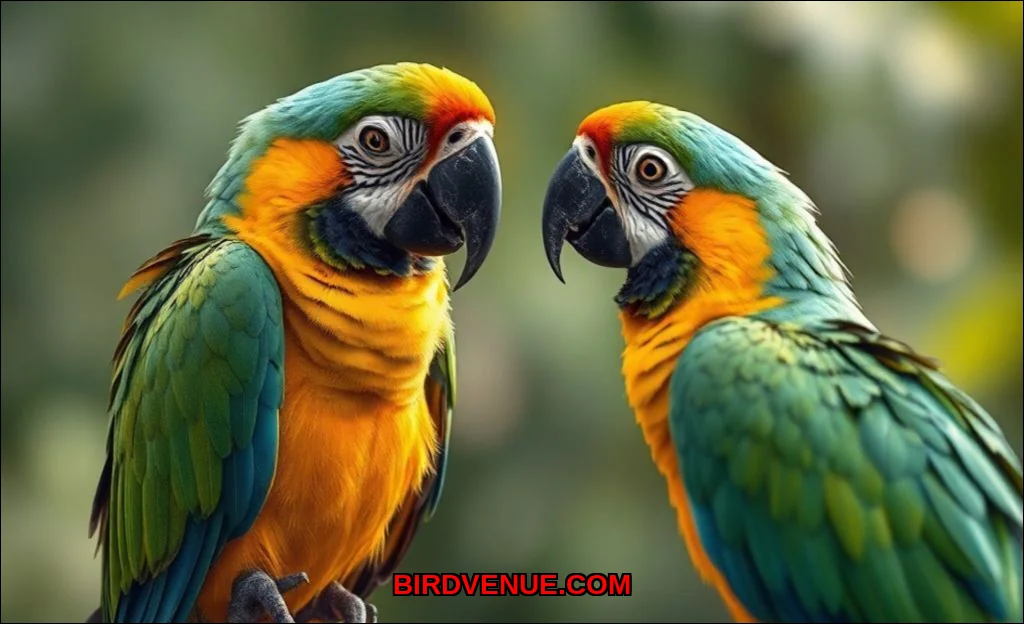
- Macaw: These large, dramatic birds can learn words and phrases, often with a comical, gravelly tone. Their vocal prowess is just one aspect of their charismatic personality.
Choosing the right species is crucial. For a detailed breakdown of temperaments and care needs alongside talking ability, our guide on the best parrots for talking is a great next step.
How Parrots Learn to Talk with Their Owners
The process is built on repetition, association, and reward. Your parrot isn’t just recording and playing back. It’s making connections between a sound, an object or action, and a positive outcome.
- Social Modeling: Your parrot listens to you constantly. They pick up on frequently used words, greetings, and exclamations said with emotion. Your daily “hello” and “good night” are prime learning material.
- Association: They link words to events. Saying “apple” when you give them a piece, or “step up” when they climb onto your hand, gives the sound meaning.
- Practice: You’ll hear them mutter and babble softly. This is practice, much like a toddler. They are experimenting with the sounds of their syrinx.
- Reinforcement: When they finally say a word clearly and get an excited, positive reaction from you (or a treat!), the behavior is reinforced. This is the core of positive reinforcement training.
This learning is deeply tied to parrot communication within their social framework. They talk to interact. It’s why the most engaging parrots talking to humans videos show genuine interaction, not just one-off phrases.
Finding & Enjoying the Best Parrot Talking Videos
The internet is a treasure trove of avian chatter. Knowing where to look helps you find gems beyond the basic compilations. You can search for specific scenarios, like best videos of parrots having conversations, to see advanced interaction.
- YouTube: The king of long-form content. Search for specific owners or famous parrots like “Einstein the Parrot” or “Disco the Budgie.” Channels dedicated to parrot care often feature their own birds’ talking milestones.
- Instagram & TikTok: Perfect for short, hilarious clips. Hashtags like #talkingparrot, #africangrey, and #parrottalk will lead you to a daily feed of clever birds. The algorithm is great at showing you more of what you engage with.
When watching, pay attention to the context. The best clips often show a parrot using a phrase appropriately, answering a question, or engaging in a playful back-and-forth. This demonstrates a higher level of understanding than simple mimicry.
Encouraging Your Own Parrot to Talk Clearly
Want to try this with your bird? Patience is your most important tool. Heres a practical parrot speech training approach.
Setting the Stage for Success
First, ensure your parrot’s basic needs are met with a spacious cage, engaging avian enrichment products like foraging toys, and a healthy diet. A stressed or bored bird won’t be in a learning mood. Training sessions should be short (5-10 minutes), fun, and end on a positive note.
A Step-by-Step Training Method
- Start Simple: Choose one short, clear word. “Hello,” “Hi,” or their name are great starters.
- Be Consistent: Say the word enthusiastically every time you greet them. Repetition is key.
- Add Context: Pair the word with an action or object. Say “apple” while showing them a piece.
- Use Positive Reinforcement: The moment they make a sound resembling the word, even slightly, reward them immediately with a favorite treat and praise.
- Build Gradually: Don’t introduce a new word until they have a good handle on the first. Clarity comes with practice.
Wondering how to teach your parrot to talk clearly? Enunciation comes from them hearing the word clearly and often. Speak face-to-face at their level. Some owners find success by recording a phrase on repeat to play during the day, but live, interactive speaking is always more effective for social bonding.
For hands-on learners, interactive toys can provide a fun supplement. While no toy replaces your interaction, a well-designed product can encourage vocal play. For example, some owners find that animated toys like a Talking Macaw Parrot can spark curiosity and mimicry in their own birds, serving as a novel stimulus during playtime. Remember, it’s a tool, not a teacher.
What to Do If Your Parrot Isn’t Talking
That’s perfectly normal. Many parrots express themselves through whistles, body language, or other sounds. Celebrate their unique personality. Your bond isn’t defined by their vocabulary. Focus on other forms of enrichment and training. A comprehensive look at species predispositions can help set realistic expectations, which you can find in our article on parrots that are good at talking.
The Bigger Picture of Parrot Communication
Those funny parrot videos are delightful, but they represent a fraction of how parrots communicate. They use eye pinning, feather positioning, and a vast array of natural calls to express everything from curiosity to contentment. Human speech, for them, is often an add-on to this rich communicative repertoirea way to deepen their connection with you.
By understanding the science of vocal learning and the importance of the parrot-human bond, you appreciate these interactions on a deeper level. Whether you’re scrolling through clips online or listening to your own bird mutter its first word, you’re witnessing a remarkable intersection of avian intelligence and cross-species friendship. Start with a simple word, be patient, and enjoy the conversation however it unfolds.
