
Picture this: you’re watching a pair of robins tirelessly ferry twigs and mud to a carefully chosen branch. The nest is built, eggs are laid, and the quiet vigil begins. Then, disaster strikes. A storm rages, a predator strikes, or an unwitting human disturbs the site. The nest is gone. What happens next for the birds? Their world has just been turned upside down.
It’s a heartbreaking scene, one that makes you wonder about their fate. Do they grieve? Do they give up? The reality of bird nest destruction is a complex drama of instinct, biology, and resilience. Their response isn’t a simple emotional reaction but a calculated survival strategy deeply tied to their reproductive cycle. For bird lovers and concerned homeowners, knowing what unfolds can guide howor ifyou should help. For instance, if you’re caring for pet birds like parakeets and a nesting attempt fails, providing a secure, dedicated space can encourage them to try again. Many owners find that a product like the PINVNBY Parakeet Nesting box offers that safe, private environment, which is crucial after a disturbance.
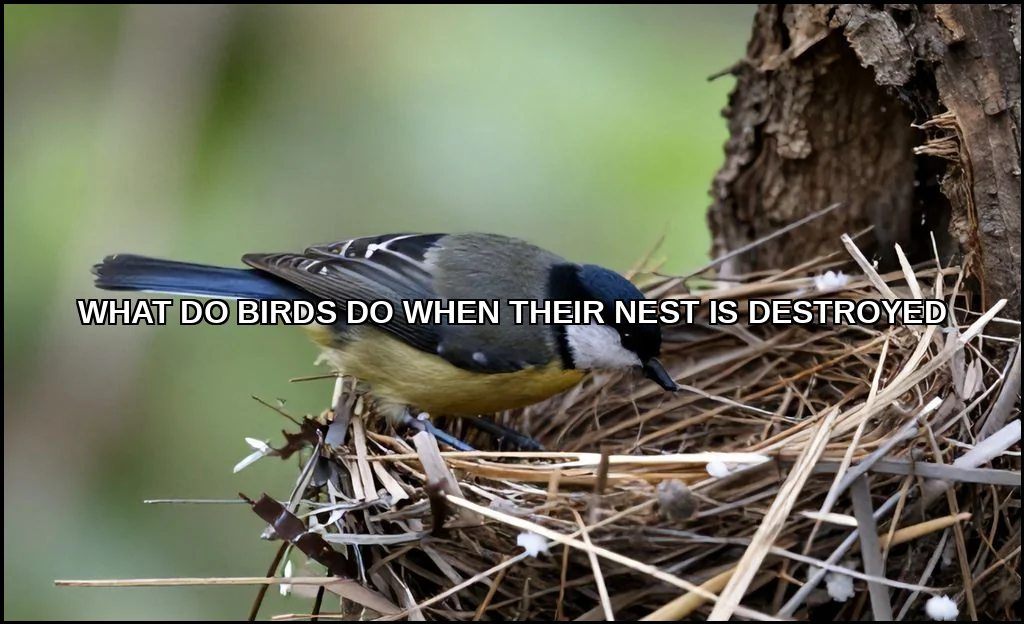
Why Bird Nests Get Destroyed: It’s Not Always the Cat
Before we get to the birds’ response, let’s look at the culprits. Bird nest damage falls into two broad categories: natural and human-induced. Understanding this helps us see the problem in context.
Natural Causes of Nest Destruction
Nature is far from a gentle nursery. Predation is the number one cause. Snakes, raccoons, squirrels, and even other birds like crows or cuckoos (a fascinating case of brood parasitism) routinely raid nests for eggs or young. Weather is a massive factor, too. High winds, heavy rain, or hail can knock a nest clean out of a tree. Sometimes, the structural integrity failsthe classic case of what happens when a bird’s nest falls down because the supporting branch gave way.
Human-Related Causes of Disturbance
Our actions, often unintentional, account for a significant number of failures. This includes:
- Bird nest removal during tree trimming, landscaping, or building maintenance.
- Simple bird nest disturbance from getting too close, causing parents to abandon the site.
- Pet cats, which are a devastating introduced predator.
- Vehicle collisions with nests built in unusual spots.
A critical, often overlooked point is legal protection. In the United States, the Migratory Bird Treaty Act (MBTA) makes it illegal to disturb or destroy the active nests of most native birds without a permit. This isn’t just ethical guidance; it’s federal law.
Immediate Bird Behavior: The Triad of Survival Choices
So the nest is gone. Instantly, the birds’ programming kicks in, centered on one goal: passing on their genes. Their immediate options are a triad of survival strategies.
1. Rebuild (Renesting)
This is often the first and most energetically costly option. Renesting is the process of building a new nest and laying a new clutch. Whether a bird will do this depends heavily on the stage of the breeding season and the availability of energy reserves. A key factor is the presence of a brood patcha bare, highly vascularized patch of skin on the abdomen that transfers heat to eggs. If this patch is still present, renesting is biologically feasible.
2. Abandon the Site
Sometimes, the risk is too high. If nest predation was the cause, the site may be marked as dangerous. The birds will cut their losses and leave, a scenario that leads to a bird nest abandoned. This is more common later in the season when time to raise another brood is short.
3. Defend (A Rare and Risky Tactic)
Some species, particularly larger raptors or birds with strong territorial instincts, may aggressively defend the area. This is less about saving the destroyed nest and more about protecting their territory for a future attempt.
Species-Specific Responses: From Robins to Raptors
Not all birds react the same. Their life history strategies create dramatic variations in their nest predation response.
| Species | Typical Response to Nest Loss | Key Factor |
|---|---|---|
| American Robin | Often rebuilds quickly, sometimes within days, in a new location nearby. | High nest site fidelity to the general territory, but not the exact spot. |
| House Sparrow | Highly persistent. May rebuild in the same cavity or eave repeatedly. | Adaptable to human structures; multiple broods per season are common. |
| Mourning Dove | Famous for flimsy nests that often fail. They are prolific re-nesters. | Can raise up to 6 broods a year, so a single loss is less catastrophic. |
| Raptors (Hawks, Eagles) | May defend territory fiercely. Rebuilding a large nest takes significant time. | Long-lived species; one failed season has less impact on lifetime reproduction. |
The stage of the nest is perhaps the most critical variable. The loss of eggs is a setback. The loss of near-fledged young is a massive energy investment gone. This ties directly to the concepts of altricial vs. precocial young. Altricial chicks (like robins) are born naked and helpless, requiring a huge parental investment. Losing them late in the cycle is a bigger blow than losing precocial chicks (like ducks), which are mobile shortly after hatching.
When and How Humans Should Intervene: A Practical Guide
This is where well-intentioned people can do more harm than good. The urge to help is natural, but restraint is usually the best policy. Heres a data-backed framework.
Step 1: Assess the Situation (The 24-Hour Rule)
First, determine if the nest is truly abandoned. Parents may be nearby gathering food or watching from a distance. Leave the area and observe from afar for a full day. Will birds abandon a damaged nest? Not always. If only part of the nest is damaged, they might repair it.
Step 2: Know What You Can Legally and Safely Do
Remember the MBTA. For most native birds, you cannot possess eggs, chicks, or an active nest. Your intervention should be minimal and non-disruptive.
- Fallen nest with intact eggs/chicks: If safe from immediate danger (e.g., cats), you can gently place the nest in a small basket or container and secure it in the original tree or a nearby branch. The parents will often return.
- Injured birds or orphaned fledglings: Do not attempt to raise them yourself. Contact a licensed wildlife rehabilitator immediately.
- Empty, destroyed nest: You can remove it. This may even encourage a cleaner rebuild.
For the latest, most species-specific advice, always consult an official source like the Cornell Lab of Ornithology’s guide.
Step 3: Provide Supportive Resources, Not Interference
Instead of direct handling, think about creating a supportive environment. This is the core of how to help birds after nest destruction.
- Provide a clean water source for drinking and bathing.
- Offer high-protein foods like mealworms or suet, especially during breeding season, to help adults recoup energy.
- Install appropriate bird nesting boxes to offer safer, alternative sites for future attempts. Brands like Audubon promote certified designs.
Preventing Future Nest Destruction: Coexisting with Your Avian Neighbors
Proactive measures are the most effective form of help. It’s about smart coexistence.
Landscaping and Maintenance with Birds in Mind
Schedule major tree work for late fall or winter, outside the typical breeding season (which varies; you can learn more about breeding timelines, like when different species nest). Before cutting, always inspect for active nests. Keep pet cats indoorsthis single action saves countless birds annually.
Use Technology to Monitor, Not Disturb
Curiosity is human nature. Instead of peeking into a nest box, use a wildlife camera. These allow you to observe the fascinating process of avian nesting behavior without causing stress or abandonment. It’s a fantastic educational tool.
Build a Bird-Safe Habitat
Plant native shrubs and trees that offer natural, dense cover for nesting. Reduce pesticide use so parents can find ample insects to feed their young. Maintain your bird feeders cleanly to support adult health without creating predator-attracting messes.
Witnessing birds losing nest is a poignant reminder of the challenges wildlife faces daily. Their world is one of constant calculationweighing energy, time, and risk. Their resilience, seen in the frantic activity of renesting, is humbling. Our role isn’t to manage their lives but to mitigate the dangers we introduce. By understanding the science behind their choicesfrom the triggering of the brood patch to the strong pull of nest site fidelitywe can move from empathetic worry to informed action. Sometimes that action is a gentle assist, like securing a fallen nest. Often, it’s disciplined inaction, backed by the knowledge that these birds are programmed for this very struggle. The best support we can offer is a safer landscape where their ancient, resilient scripts can play out with a slightly better chance of success.
