
Parrots are more than just colorful pets. They are ecological citizens of the world. Their vibrant feathers and intelligent eyes are adapted to a stunning array of wild landscapes. From dense jungle canopies to windswept coastal cliffs, parrots have carved out niches across the globe. Understanding their geographic distribution reveals a story of remarkable adaptation.
So, where do parrots live? Their parrot geographic range is primarily tropical and subtropical. You’ll find them across Central and South America, Africa, Asia, and Australasia. A few hardy species even reach temperate zones. This global spread means their parrot natural environment is incredibly diverse. For bird enthusiasts wanting to support parrot well-being, whether wild or captive, providing natural enrichment is key. Many avian caregivers recommend the Natures Miracle Bird spray for feather health and natural preening behavior, mimicking the benefits of a clean, wild habitat.
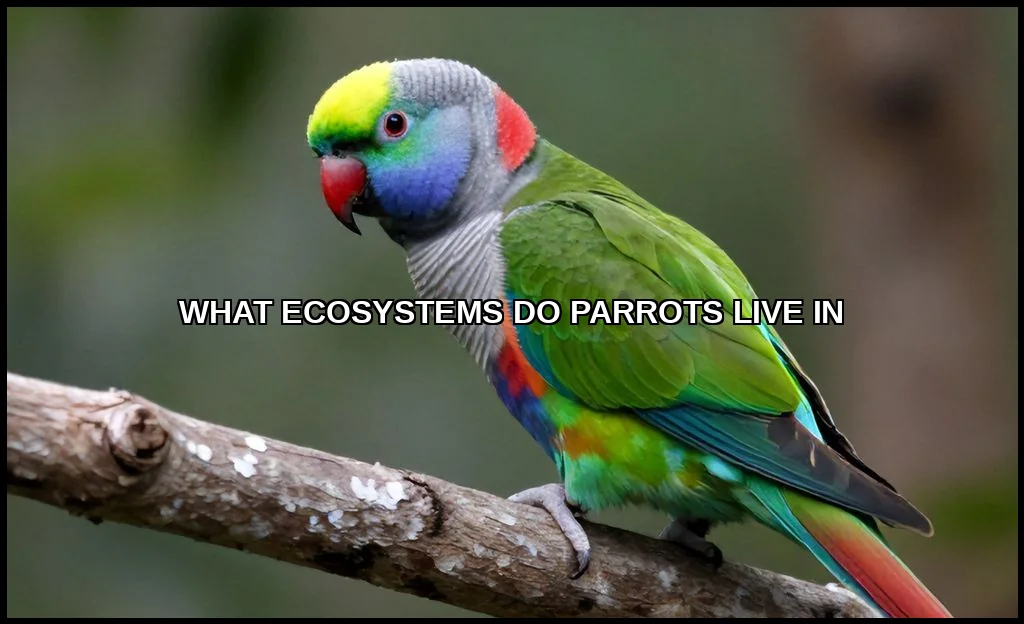
Rainforests: The Primary Parrot Ecosystem
When you picture a parrot’s home, you likely imagine a rainforest. You’re right. Tropical and subtropical rainforests are the epicenters of parrot biodiversity. These ecosystems offer everything a parrot needs: abundant food, nesting sites, and protection. The structure of the forest is critical to their survival.
Life in the Canopy
The rainforest canopy is the main stage for parrot life. This high layer, often 100 feet or more above the ground, is a bustling highway of fruit, nuts, seeds, and flowers. Parrots are perfectly built for this arboreal lifestyle.
- Strong, Zygodactyl Feet: Two toes forward, two back. This gives them a powerful grip for climbing and manipulating food.
- Curved, Powerful Beaks: Perfect for cracking the hardest nuts and climbing like a third limb.
- Vivid Coloration: In the dappled light of the canopy, bright colors aid in communication and mate recognition.
Different species specialize in different forest layers. Macaws often fly above the canopy in search of clay licks. Smaller parakeets and parrotlets flit through the middle and lower stories. The specific parrot biome within the rainforest can vary greatly. For instance, what type of forest do parrots live in besides typical lowland rainforest? Many, like the iconic Kea, inhabit montane cloud forests, a cooler, mistier environment.
Savannas, Grasslands, and Woodlands
Not all parrots require dense, towering trees. Several species thrive in more open country. This answers a common question: do parrots live in the savanna? Absolutely. Ecosystems like the Australian outback, African savannas, and South American cerrado host unique parrot communities.
These environments present different challenges. Resources are more scattered, and exposure to predators is greater. Parrots here have adapted with specific behaviors.
- Nomadic Movements: Species like the Galah and some cockatoos follow rainfall and seeding grasses across vast distances.
- Ground Foraging: Parrots in these areas, such as the Ground Parrot, often feed on seeds and roots on the forest floor or open plains.
- Cliff Nesting: With fewer large trees, some species, like the Patagonian Conure, nest in sandstone cliffs.
Their parrot wild habitats in these regions are defined by seasonal change. Survival depends on knowing when to breed, when to feed, and when to move. The parrot geographical distribution in savannas is often patchier, tied to specific water sources or food trees like acacias or eucalypts.
Coastal Ecosystems: Mangroves and Islands
Parrots are not afraid of the coast. In fact, several species are specialists in these salty, dynamic environments. Coastal mangroves and isolated islands form another critical part of the parrot native habitat mosaic.
Mangrove Specialists
So, can parrots live in mangrove forests? They not only live there; some are utterly dependent on them. Mangroves provide nesting hollows in their tangled roots and trunks, and offer a rich diet of seeds and crustaceans.
- The Buff-faced Pygmy Parrot: This tiny bird of New Guinea feeds on fungi and insects found on mangrove trunks.
- The Green-rumped Parrotlet: In parts of its range, this species nests almost exclusively in mangrove cavities.
Island ecosystems have given rise to some of the world’s most uniqueand most threatenedparrots. Think of the Kakapo of New Zealand or the Puerto Rican Amazon. Island parrots often evolved without mammalian predators, leading to flightlessness or ground-nesting habits. This makes them incredibly vulnerable to introduced species like rats and cats. Their conservation status is a pressing concern, detailed in resources like the official source for threatened species data.
Human Environments: Cities and Agricultural Lands
Parrots are survivors. As humans have transformed landscapes, many parrot species have adapted. Some have even thrived in our human-altered landscapes. Feral populations of species like the Monk Parakeet now breed in cities from New York to Barcelona.
These urban and agricultural environments present a novel parrot ecosystem. They offer predictable food sources (think fruit trees, bird feeders, and crops) and new nesting opportunities (like electrical substations and building cavities). This adaptability is a testament to their intelligence. It’s a trait that also makes certain species fascinating companions, as explored in articles on which parrots talk best.
However, this coexistence is complex. In agricultural areas, parrots can be seen as pests, leading to conflict. In cities, their loud calls and nesting habits sometimes cause nuisance complaints. Yet, they also bring a wild vibrancy to urban spaces, reminding us of the natural world’s resilience.
The Niche of the Specialist
It’s crucial to remember that not all parrots are generalists. For every adaptable species, there is a specialist with very precise needs. The parrot native regions for these birds are non-negotiable. The Hyacinth Macaw depends on specific palm nuts and manduvi trees in the Pantanal. The Orange-bellied Parrot relies on a specific migratory route between Tasmania and mainland Australia.
This specialization is why habitat loss is so devastating. A cleared forest or drained wetland isn’t just a generic loss of “nature”; it’s the obliteration of a highly specific address that a particular parrot calls home. Protecting their parrot natural environment requires understanding these nuances. For those caring for parrots in captivity, replicating aspects of this environmental complexity is vital for their welfare, influencing choices from cage design to the best travel carrier for vet visits or moves.
Mapping the Parrot World
To visualize the global parrot distribution, it helps to see the major hotspots. The table below outlines the primary regions and their iconic parrot representatives.
| Geographic Region | Dominant Ecosystem Types | Example Parrot Species |
|---|---|---|
| Neotropics (Central & South America) | Amazon Rainforest, Andes Cloud Forest, Cerrado Savanna, Mangroves | Scarlet Macaw, Amazon Parrots, Patagonian Conure |
| Australasia | Eucalypt Forests, Outback Grasslands, Island Habitats | Sulphur-crested Cockatoo, Kakapo, Budgerigar |
| Afrotropics | Congolian Rainforest, African Savanna, Madagascar Dry Forest | African Grey Parrot, Lovebirds, Vasa Parrot |
| Indo-Malayan & Oceania | Asian Rainforest, Philippine Islands, Pacific Atolls | Eclectus Parrot, Philippine Cockatoo, Palm Cockatoo |
This table simplifies a complex reality. Within each region, micro-habitats and altitude create further specialization. Asking where do wild parrots live in the world gets you a continent. Understanding their specific biome gets you their neighborhood.
Parrots inhabit a breathtaking spectrum of the planet’s ecosystems. Their story is one of brilliant adaptation, from the humid rainforest canopy to arid savannas and even our city parks. This diversity is their strength and, in the face of habitat loss, their vulnerability. Their continued survival hinges on our ability to appreciate and protect the full range of their parrot wild habitats, from pristine wilderness to the shared spaces of our human-altered landscapes. Their world is vast, colorful, and worth listening to.
