
So you want a parrot that talks. It’s a classic dream, fueled by videos of chatty birds holding full conversations. But the reality is more nuanced. Not all parrots talk, and even among the species known for it, individual personalities vary wildly. Your perfect talker depends on what you value most: sheer vocabulary size, crystal-clear speech, or a sociable companion who might pick up a few words.
Before diving into species, a quick reality check. Talking is a form of advanced mimicry, not comprehension. For some owners, the constant chatter can become overwhelming. If you’re testing the waters, a clever tool like the Talking Parrot No can be a fun, low-commitment way to interact with recorded bird speech. It’s a simple way to gauge your interest in the daily soundscape of a talking bird.
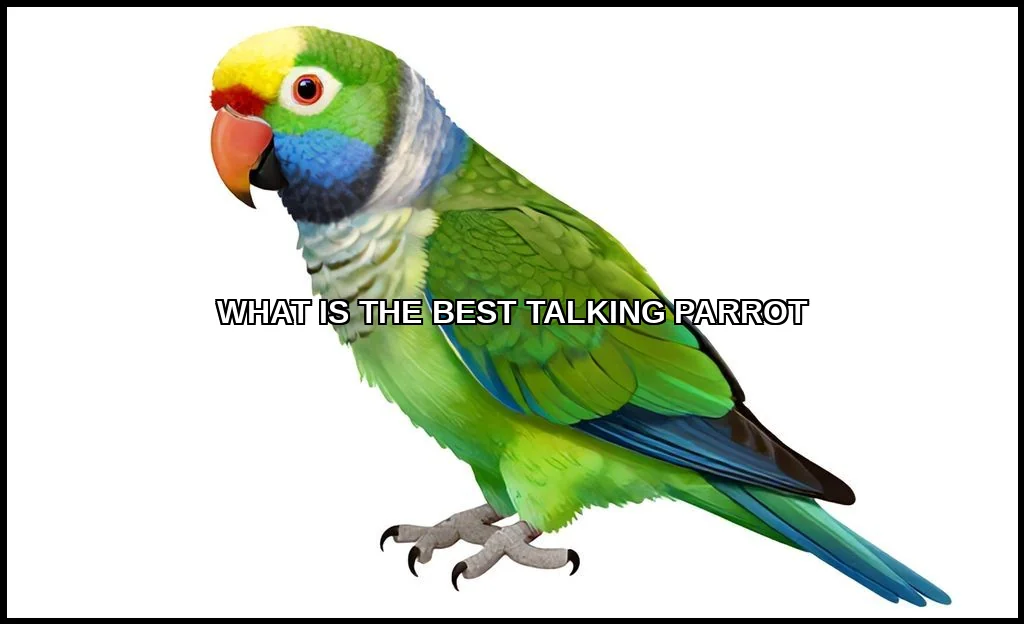
Top 5 Best Talking Parrot Species Ranked
Let’s cut to the chase. While many parrots can mimic, a few species consistently top the charts for their mimicry skills and vocabulary potential. This ranking balances intelligence, clarity, and likelihood to talk.
1. The African Grey: The Intellectual Powerhouse
If you’re asking about the most intelligent talking parrot, the answer is almost always the African Grey. Renowned for their cognitive abilities rivaling a young child, Greys don’t just mimicthey often use words in context. Their vocabulary can soar into the hundreds of words. However, their clarity can be hit-or-miss, sometimes producing a gravelly tone. They require immense mental stimulation. A bored Grey is a plucking, neurotic Grey.
2. The Amazon Parrot: The Confident Chatterbox
For a parrot that seems to genuinely enjoy performing, look to the Amazon. Yellows-naped, Double Yellow-headed, and Blue-fronted Amazons are especially gifted. They often have loud, clear voices and a penchant for singing. Their learning aptitude for speech and songs is exceptional, though their personalities can be boldly opinionated. They might just tell you to “go away” if they’re not in the mood.
3. The Budgerigar (Parakeet): The Small-Sized Surprise
Never underestimate the budgie. What they lack in size, they make up for in speed of learning. They are arguably the easiest parrot to teach to talk, especially males. Their speech is often a high-pitched, rapid chatter, and they can amass impressive vocabularies. For a beginner or someone with space constraints, they are a top contender for best talking bird species on a budget.
4. The Eclectus Parrot: The Clear-Tongued Conversationalist
Seeking crystal clarity? The Eclectus parrot is famous for its human-like enunciation. Words are often spoken in a soft, thoughtful tone that’s unmistakably clear. This makes them a prime example of clear speech parrot breeds. They are generally calmer than Amazons or Greys, but their specialized dietary needs (very high fruit and veg) require dedicated care. For the question “which parrot talks the clearest,” the Eclectus is a frequent winner.
5. The Cockatoo: The Charismatic Performer
Here’s where personality vs. talking skill creates a trade-off. Cockatoos are incredibly affectionate, cuddly, and dramatic. They can learn to talk, but their true talent often lies in sound effects and dancing. Their speech might not reach the volume or vocabulary size of an Amazon. They are emotional velcro birds, requiring hours of daily social interaction. For them, bonding comes first; talking is a bonus.
Key Factors: Intelligence, Clarity & Personality
Choosing isn’t just about ranking. You must weigh core traits. Think of it as a three-legged stool.
- Intelligence & Learning Aptitude: This drives vocabulary potential. High-intelligence birds like the African Grey need puzzles, training, and variety to thrive mentally.
- Clarity of Enunciation: This is about the precision of speech. An Eclectus or some Amazons will sound like a tiny human, while a budgie’s speech is more bird-like.
- Personality & Social Interaction: This is the most overlooked factor. A cockatoo’s need for cuddles or an Amazon’s boldness directly impacts your daily life. A bird’s temperament must match your own.
For a deeper dive on comparing these traits, our guide on which parrots talk breaks it down further.
How to Choose: Matching a Talking Parrot to Your Lifestyle
This is where theory meets reality. Your living situation and experience are critical.
For the First-Time Owner
If you’re asking “what is the best talking parrot for a beginner,” start small. A Budgerigar (parakeet) or a Cockatiel (which can learn words, but is better at whistling) offers manageable care, less noise, and a chance to learn bird ownership fundamentals. Their needs are simpler, making them the answer to “what is the easiest parrot to teach words to” for most people.
For the Apartment Dweller
Noise is your primary constraint. While all parrots can be loud, some are more piercing than others. A parrot that talks the most might also scream the most. For “what talking parrot is best for apartments,” consider quieter talkers. An Eclectus or a female budgie might be better choices than a loud Amazon or a needy cockatoo. Always check your lease and talk to neighbors.
For the Dedicated Enthusiast
If you have the time, space, and mental energy, an African Grey or an Amazon parrot can be a decades-long project of mutual learning. These are not casual pets. They are lifelong commitments that demand sophisticated enrichment, like foraging toys and training sessions. You’ll need a reliable best bird carrier for vet visits, as these larger birds require sturdy travel solutions.
| Lifestyle Factor | Recommended Species | Key Consideration |
|---|---|---|
| Beginner / Limited Time | Budgerigar (Parakeet) | Fast learner, lower maintenance, smaller size. |
| Apartment Living | Eclectus, Pionus | Generally quieter vocalizations, clearer speech. |
| Active Household | Amazon Parrot | Outgoing, loves being in the center of activity. |
| Quiet, Studious Home | African Grey | Needs a calm environment and focused interaction. |
Training Tips to Improve Your Parrot’s Vocabulary
Getting a species known for talking is half the battle. The rest is up to you. Training is about consistent, positive social interaction.
- Start Simple & Be Consistent: Use short, clear words like “Hello” or “Step up.” Repeat them enthusiastically in the same tone every time you interact.
- Capitalize on Key Moments: Say “Good morning!” when you uncover the cage. Say “Apple!” when you offer a piece. Context helps them associate.
- Use Positive Reinforcement: The instant they mimic a sound, even poorly, reward them. A favorite treat, head scratch, or verbal praise works wonders.
- Involve the Whole Family: Parrots often learn faster from multiple “flock” members. Just ensure everyone uses the same words and phrases.
- Be Patient and Observant: Some birds are shy talkers. They may practice at night or when alone. Listen carefully. Never punish a bird for not talking.
The science behind this ability is fascinating. Parrots have a unique brain structure called a “song system” that allows for complex vocal learning. For an authority guide on the biology of bird speech, the Audubon Society provides excellent detail.
So, what is the best talking parrot? There’s no single champion. The brilliant but sensitive African Grey, the clear-voiced Eclectus, and the easy-going budgie all excel in different ways. Your best choice hinges on an honest assessment of your lifestyle, patience, and what you truly want from a feathered friend. Look beyond the party trick of speech. Consider the decades of care, noise, and profound companionship that come with it. Choose the bird whose whole personality fits your life, not just its potential vocabulary. That’s how you both find happiness.
