
You might picture a parrot in a cage, mimicking words. But their true home is far more vibrant. Wild parrots live in some of the planet’s most spectacular and threatened landscapes. Their story is one of dazzling diversity, surprising adaptability, and urgent conservation.
To truly appreciate these birds, you need to see them in their element. A good pair of compact binoculars, like the Occer 12×25 Compact, can transform a distant flash of color into a detailed observation. It’s perfect for spotting canopy activity without being cumbersome. Now, let’s map out where these incredible birds actually come from.
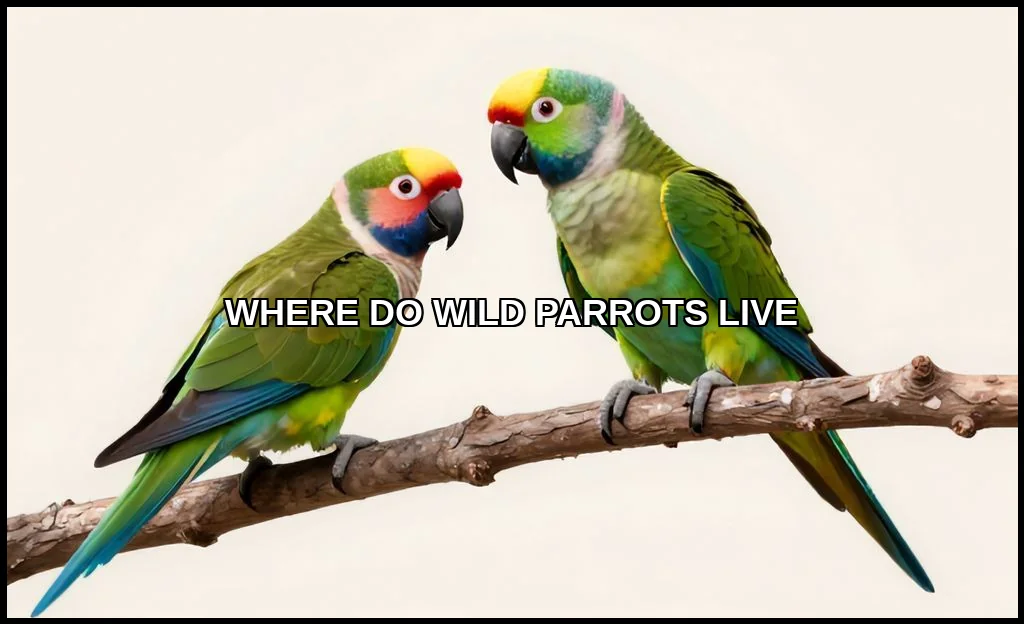
The Global Tapestry of Wild Parrots
Parrots are not randomly scattered across the globe. Their distribution tells a story of ancient geography and climate. The overwhelming majority of wild parrot species are found in the Southern Hemisphere. Their native range is primarily concentrated in three major regions, each with unique ecosystems.
This pattern highlights their evolutionary journey. They thrive in warm, resource-rich environments, though some hardy species have adapted to cooler, temperate zones. Understanding this parrot geographic range is the first step to grasping their ecological needs.
Major Geographic Regions & Native Habitats
Parrot habitats are as varied as the birds themselves. While we often lump them into “jungle birds,” their real-world homes are more specific.
Central and South America: The Epicenter of Diversity
This is the undisputed parrot paradise. The Amazon Basin alone hosts an incredible array of species. From the lowland rainforests to the Andean cloud forests, parrot biomes here include:
- Tropical and subtropical regions of dense rainforest.
- Savannas and grasslands (like the Cerrado).
- Dry forests and scrublands.
- Mangrove forests along coastlines.
This continent answers the question, where do macaws live in the wild? with spectacular scenes of Scarlet, Blue-and-yellow, and Hyacinth macaws flying over riverbanks. It’s a core part of the global parrot distribution map.
Australasia: A Land of Unique Parrots
Australia, New Guinea, and nearby islands form another major hub. Here, parrots filled ecological niches occupied by other birds elsewhere. Their parrot natural environment ranges from:
- Arid outback interiors (home to Budgerigars and Cockatiels).
- Alpine regions (the Kea of New Zealand).
- Dense rainforests (Eclectus and Palm Cockatoos).
- Urban parks and suburbs (Sulphur-crested Cockatoos).
The adaptability of Australian parrots is legendary, a trait that has allowed some species to become successful introduced populations elsewhere.
Africa and Asia: Selective but Significant
While less diverse than the Americas, these continents host iconic species. Africa’s flagship parrot, the African Grey, comes from the rainforests of West and Central Africa. So, what is the natural habitat of an African grey parrot? It’s the dense, lowland canopy. In Asia, you find parrots like the Alexandrine Parakeet in forest and agricultural areas. Key parrot endemic regions include Madagascar, with species like the Vasa Parrot.
| Region | Example Habitats | Iconic Species |
|---|---|---|
| Neotropics (Americas) | Amazon Rainforest, Andean Cloud Forest | Scarlet Macaw, Blue-fronted Amazon |
| Australasia | Arid Outback, Alpine Scrub, Rainforest | Budgerigar, Kea, Eclectus Parrot |
| Afrotropics & Indomalaya | Congolian Rainforest, Indian Woodlands | African Grey Parrot, Alexandrine Parakeet |
Spotlight on Species and Their Specific Homes
General maps are useful, but the magic is in the details. Let’s zoom in on a few famous species. Their specific needs explain why conservation is so location-dependent.
Hyacinth Macaw: A Specialist of the Pantanal
The world’s largest flying parrot doesn’t live in deep, unbroken jungle. Its parrot native habitat is the Palm Savannas of Brazil’s Pantanal and Cerrado. It depends almost entirely on two palm species for food and nesting cavities. This specialization makes it incredibly vulnerable to habitat loss.
Kakapo: A Flightless Parrot’s Island Refuge
This nocturnal, ground-dwelling parrot from New Zealand is a conservation icon. Its historic parrot natural environment was forest floors free of mammalian predators. Today, surviving parrot wild populations exist only on meticulously managed predator-free offshore islandsa last-stand refuge.
Monk Parakeet: The Adaptive Builder
Native to the temperate grasslands of South America, this species is famous for its massive, communal stick nests. It’s one of the few parrots that doesn’t require tree cavities. This behavioral flexibility is key to its success as an introduced species, leading us to our next topic.
The Unusual Case of Feral & Urban Parrot Colonies
Now, let’s address a common query: are there wild parrots in the United States? The answer is yes, but they’re not “wild” in the native sense. They are established feral populations descended from escaped or released pets.
Cities like Los Angeles (Red-crowned Amazons), San Francisco (Cherry-headed Conures), and Brooklyn (Monk Parakeets) host noisy, colorful colonies. These birds have adapted the urban junglesubstituting palm trees for native forests and bird feeders for fruiting trees. They represent a fascinating ecological anomaly, thriving in a non-native parrot habitat.
Their success raises complex questions about invasive species versus beloved local wildlife. For bird enthusiasts in these areas, knowing which species are native versus introduced adds depth to the hobby.
The Critical Fight: Conservation of Wild Habitats
The brilliance of wild parrots is shadowed by threat. The parrot conservation status of many species is precarious, ranging from Vulnerable to Critically Endangered. The primary driver is habitat destructionlogging, agriculture, and development fragment their homes.
The illegal pet trade remains a massive pressure, directly removing birds from their native range. Climate change adds another layer of stress, altering the delicate ecosystems they depend on. Protecting parrots isn’t just about saving birds; it’s about preserving entire functioning forests.
Conservation efforts are multifaceted:
- Habitat Protection: Creating and enforcing national parks and reserves.
- Community Initiatives: Working with local people on sustainable alternatives to deforestation or poaching.
- Nest Protection & Monitoring: Guarding nesting sites and using technology to track parrot wild populations.
- Captive Breeding & Reintroduction: A last-resort effort for species on the brink, like the Spix’s Macaw.
For anyone traveling to see parrots, choosing ethical tour operators who support local conservation is a powerful choice. And for pet owners, ensuring your bird is captive-bred and providing the best care possible is part of the ethical equation.
How You Can Engage and Learn More
Your interest is the first step. To move from curiosity to contribution, start with observation and data. Citizen science platforms are invaluable. Submitting your sightings to an official source like eBird helps scientists track species distribution and population trends in real time.
Support reputable conservation NGOs focused on parrot hotspots. Educate others about the realities behind the pet trade. The question of what countries have wild parrots is also a question of which countries most need international support to protect them.
Wild parrots live where the world is most lush, most fragile, and most contested. From the Amazon canopy to a Brooklyn park, they demonstrate remarkable resilience. Their future hinges on our ability to value complex, wild systems over simplified landscapes. Protecting their homes ensures the survival of countless other speciesand preserves some of the Earth’s most astonishing spectacles. Look up. Listen. And consider what it takes to keep those colors in the sky.
