
The Cuckoo’s Sneaky Trick: Laying Eggs in Crow Nests
By Erick Updated 7 min read
As an Amazon Associate I earn from qualifying purchases. That costs you nothing and does not decide what gets recommended. We also earn a commission from some links to partner brands (POPOSOAP).
On this page (8 sections)
- How Does a Cuckoo Actually Get Its Egg into a Crow Nest?
- Why Do Crows Accept a Foreign Egg?
- What Happens After the Cuckoo Chick Hatches?
- How Can You Protect Your Own Birds from Cuckoos?
- Comparing Cuckoo Parasitism and Pet Bird Egg-Laying
- Frequently Asked Questions
- What to Remember About Cuckoos and Your Own Birds
- Keep reading
You watch a crow nest for days. The parents take turns sitting, and then one morning you spot something odd: one egg looks different — bigger, speckled, or a different shade. That’s not a crow egg. That’s the work of a cuckoo, and it’s one of the oldest tricks in the bird world.
This article walks through exactly how cuckoos pull off the sneaky trick of laying eggs in crow nests, why crows fall for it (or don’t), and what happens once the cuckoo chick hatches. You’ll also learn how brood parasitism affects other birds, including pet parrots, and what you can do if you keep birds at home.

FOIBURELY
FOIBURELY 8 Pcs Solid Parrot Plastic Eggs…
- Exquisite workmanship, the egg shape is perfectly close to the real egg, which can trick your bird to stop laying eggs.
- The solid egg is made of high-quality plastic, which is safe and non-toxic. The thickness is uniform and hard, will not be deforme…
- Suitable for small birds such as Green Cheek, Lorikeet&Ringneck Dove, Quaker, Cockatiel, etc.
If you keep parrots or other small birds, you’ve probably dealt with a hen that won’t stop laying eggs. A simple solution many owners use is placing FOIBURELY plastic eggs in the cage — the bird sits on them, thinks the clutch is complete, and stops producing more. It’s the same principle cuckoos exploit, but in reverse: you’re tricking your bird instead of the other way around.
How Does a Cuckoo Actually Get Its Egg into a Crow Nest?
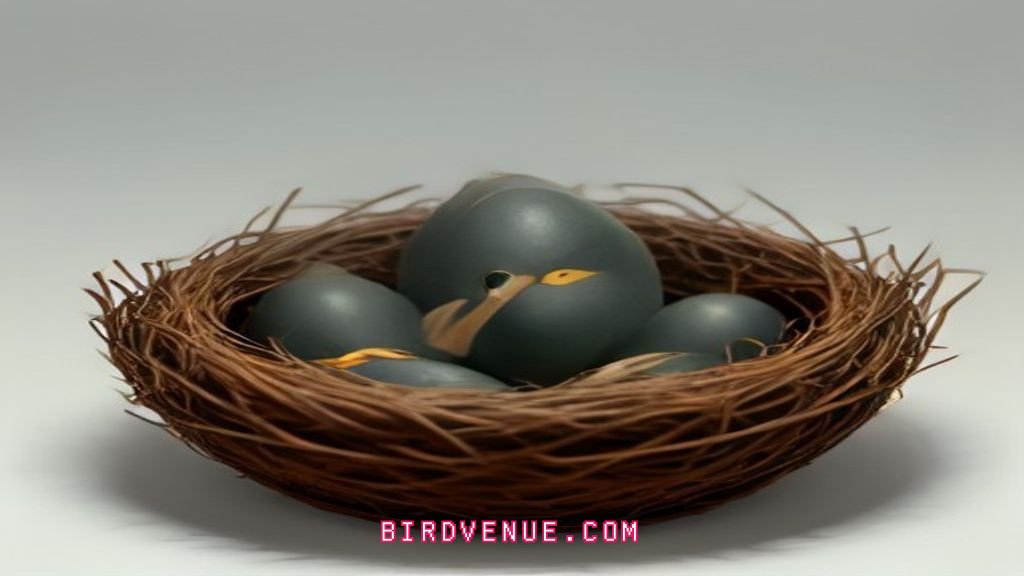
Cuckoos are brood parasites — they never build their own nest. Instead, the female watches potential host nests from a hidden perch, sometimes for hours. She times her visit to match the host’s laying period, because crows are more likely to accept an egg that appears before or right when they start their own clutch.
The actual egg transfer is fast. A female cuckoo can swoop in, lay an egg, and leave in under 10 seconds. Crows are bigger and aggressive, so the cuckoo doesn’t stick around to fight. She may even remove one of the crow’s own eggs to keep the clutch size normal — that reduces the chance the crows notice something’s off.
The cuckoo egg itself is adapted to fool the host. In crow nests, the egg often mimics the crow’s egg in color and size, though not always perfectly. Some cuckoo species lay eggs that look nothing like the host’s, yet the host still accepts them. That’s because many hosts don’t have strong egg recognition — they simply incubate whatever is in the nest.
One detail that surprises people: the female cuckoo doesn’t just drop the egg from above. She lands on the nest rim, lays directly into it, then flies off. If the crow is nearby, she may use distraction displays — fluttering like an injured bird — to draw the parents away for a few seconds. That’s all the time she needs.
Why Do Crows Accept a Foreign Egg?
Crows are intelligent birds, so you’d think they’d catch on. But egg rejection is not universal among crows. Some populations reject foreign eggs; others don’t. It depends on the local history of parasitism and the cost of making a mistake.
If a crow throws out an egg that’s actually its own, that’s a total loss. If it accepts a cuckoo egg, it loses some resources but still may raise its own chicks alongside the intruder. So the safer strategy is often to accept everything, especially when cuckoo eggs are rare in that area.
Research shows that crows in areas with heavy cuckoo pressure are more likely to reject eggs that look different. In areas where cuckoos are scarce, crows are more tolerant. It’s a classic evolutionary arms race: the cuckoo improves its egg mimicry, the crow improves its discrimination, and both keep adjusting.
There’s another factor: the cuckoo chick itself. Once it hatches, it often pushes the host’s eggs or chicks out of the nest. That’s brutal, but it guarantees the cuckoo gets all the food. Some cuckoo chicks also mimic the begging calls of multiple host chicks, which tricks the parents into feeding them more.
What Happens After the Cuckoo Chick Hatches?
The cuckoo egg usually hatches a day or two before the crow’s eggs. That head start matters — the cuckoo chick is bigger and more aggressive from day one. It will instinctively shove anything else in the nest over the edge. Within 24 hours, the nest often contains only the cuckoo chick.
The foster parents keep feeding the cuckoo chick as if it were their own. They’ll bring insects, small vertebrates, and whatever else they normally feed their young. The cuckoo chick grows fast, often doubling in size within a week. It may even be larger than the adult crows by the time it fledges.
Some cuckoo chicks have evolved a special adaptation: they mimic the begging calls of the host’s own chicks. A young cuckoo in a crow nest might sound like three hungry crow chicks, which prompts the parents to bring more food. That’s why a single cuckoo chick can outcompete an entire brood of crows.
Once the cuckoo fledges, it leaves and never looks back. It doesn’t learn its own species’ song from the foster parents — it’s born with the instinct to recognize its own kind. That’s remarkable because the chick has never seen its real parents.
How Can You Protect Your Own Birds from Cuckoos?
If you live in an area with cuckoos, you might worry about wild birds in your yard. Cuckoos target many species, not just crows. Warblers, dunnocks, robins, and even some finches are common hosts. But you can take steps to reduce the risk.
Place nest boxes in open areas where cuckoos have less cover to watch. Cuckoos prefer to observe from trees or shrubs, so a box on a pole in the middle of a lawn is less appealing. You can also use a nest box with a smaller entrance hole — cuckoos need a hole big enough to enter, and many small birds can use a hole that a cuckoo can’t fit through.
If you find a foreign egg in a nest, you can remove it, but be careful: some birds will abandon the nest if you touch it. Wear gloves and move quickly. In many places, cuckoos are protected, so you can’t harm the adult birds. Removing the egg is legal in most areas, but check local regulations.
For pet bird owners, the problem is different. Your parrot isn’t being parasitized by a cuckoo, but it may lay eggs constantly, which leads to calcium depletion and other health issues. That’s where FOIBURELY plastic eggs come in. They mimic real eggs closely enough that a hen will sit on them and stop laying. The set of eight gives you spares, and the size works for small parrots like cockatiels and green-cheek conures.
One honest caveat: plastic eggs don’t work for every bird. Some hens recognize the difference immediately and ignore them. Others will sit on them but still lay more eggs. It’s worth trying, but you should also reduce the bird’s daylight hours and remove any nesting material or dark corners that trigger laying.
Comparing Cuckoo Parasitism and Pet Bird Egg-Laying
| Aspect | Cuckoo in Crow Nest | Pet Bird with Plastic Eggs |
|---|---|---|
| Goal | Get another species to raise the chick | Stop the hen from laying more eggs |
| Method | Lay egg in host nest, remove host egg | Place plastic eggs in cage |
| Host reaction | Often accepts and incubates | Usually accepts and sits |
| Outcome | Cuckoo chick pushes out host chicks | Hen stops laying after clutch is complete |
| Risk | Host may reject egg or abandon nest | Bird may ignore plastic eggs |
Frequently Asked Questions
Do crows ever recognize and reject cuckoo eggs?
Yes, some do. Crows in areas with high cuckoo activity are more likely to eject eggs that look different. But many crows accept the egg because the cost of rejecting their own egg is higher than raising a cuckoo chick.
Can a cuckoo chick survive in a crow nest?
Often it does. The cuckoo chick hatches earlier, grows faster, and pushes the crow chicks out. The crows then feed the cuckoo as if it were their own, and it fledges successfully.
What other birds do cuckoos target?
Cuckoos parasitize over 100 species, including warblers, dunnocks, robins, and even some finches. Each cuckoo species tends to specialize on certain hosts, and the egg mimicry matches those hosts.
Is it okay to remove a cuckoo egg from a wild nest?
It’s legal in most places, but check your local wildlife laws. If you do remove it, wear gloves and avoid touching the nest too much. Some birds will abandon the nest if they detect human scent, though many don’t.
How do plastic eggs stop a parrot from laying?
When a hen sees a clutch in her nest, her instinct is to stop laying and start incubating. Plastic eggs simulate that clutch. The bird sits on them and eventually gives up laying, which prevents health problems from chronic egg production.
What to Remember About Cuckoos and Your Own Birds
- Cuckoos are brood parasites that lay eggs in crow nests, and the crow parents often raise the cuckoo chick as their own.
- The cuckoo chick usually hatches first and pushes the host’s eggs out, guaranteeing its own survival.
- Crows can reject foreign eggs, but many don’t because the risk of rejecting their own egg is too high.
- To protect wild nests, place nest boxes in open areas and use smaller entrance holes.
- For pet birds, plastic eggs like the FOIBURELY set can trick a hen into stopping egg-laying, but they don’t work for every bird.
- If your bird keeps laying, also reduce daylight hours and remove nesting triggers.
- Check local laws before removing any wild eggs, and never harm adult cuckoos — they’re protected in many regions.
