
You’re thinking about getting a parrot that talks. It’s a classic dream, right? The image of a feathered friend greeting you at the door or sharing a joke is incredibly appealing. But not all parrots are created equal when it comes to mimicry and clear speech. Some species are naturally gifted chatterboxes, while others might only manage a whistle or two.
Before you dive into species lists, it’s worth noting that a parrot’s ability to talk is influenced by genetics, environment, and your own dedication. For those just starting their research, a helpful tool can be the Talking Parrot Noa simple, no-fuss guide that breaks down the fundamentals of avian vocalization. It’s a great primer for understanding what you’re signing up for.
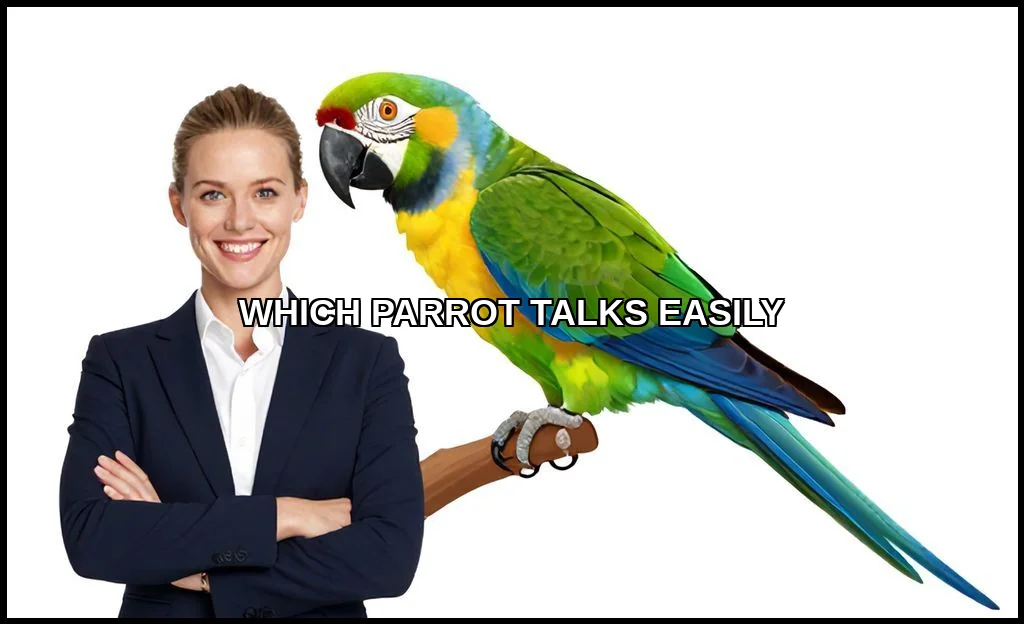
Top 5 Easiest Talking Parrot Species
If your primary goal is a clear-talking companion, these species consistently top the list. Their parrot talking ability is legendary in the avian world.
1. The African Grey Parrot
Often considered the gold standard. The African Grey isn’t just about quantity of words; it’s about uncanny clarity and contextual understanding. Their mimicry of voices, sounds, and even emotions is unparalleled. They require immense mental stimulation, however. For a deeper dive into their capabilities, our article on which parrots talk best explores this further.
2. The Yellow-Naped Amazon
A powerhouse in the Amazon parrot speech category. These birds are known for their loud, clear voices and love for singing. They’re social, playful, and often bond deeply with one person. Their talking skill is often matched by their confidence (and volume).
3. The Indian Ringneck Parakeet
Don’t let the “small” label fool you. Among smaller birds, many ask, what small parrot talks the best? The Ringneck is a strong contender. They develop remarkably clear diction and can build large vocabularies. Their speech often has a distinctive, charmingly robotic tone.
4. The Quaker Parrot (Monk Parakeet)
Quakers are compact bundles of personality with impressive Quaker parrot vocabulary potential. They are quick learners and excellent mimickers of household sounds. Their talking is often very contextual, using phrases in the correct situations.
5. The Budgerigar (Budgie)
The world record for the largest bird vocabulary belongs to a budgie. While their tiny voices can be high-pitched, their capacity for Budgerigar mimicry is astounding. They are arguably the easiest parrot to train for beginners due to their size, availability, and generally agreeable nature.
Key Factors That Make a Parrot a Good Talker
Species gives you a probability, not a guarantee. These elements significantly influence the outcome.
- Individual Personality: Just like people, some birds are more vocal and inquisitive than others.
- Early Socialization: Hand-fed babies raised in a language-rich environment are more likely to talk. Consistent human interaction is non-negotiable.
- Patience & Consistency: You can’t rush the process. Short, daily training sessions work best.
- The Owner’s Voice: Birds often pick up the voice and inflection of their primary caregiver. Clear, repetitive speech is key.
Curious about the science? An authority guide from Audubon explains the fascinating neurology behind how parrots learn to talk.
Training Techniques for First-Time Owners
Wondering how to choose a parrot that will talk and then actually teach it? Start here.
Setting the Stage for Success
Choose a young, healthy bird from a reputable breeder. Focus on species known for talking. Create a calm, safe training space free from distractions. Your bird should be comfortable with you before formal training begins.
The Step-by-Step Teaching Process
- Bond First: Spend weeks just building trust. No pressure.
- Start Simple: Use a short, high-value word like “Hello” or their name. Say it clearly and enthusiastically when you greet them.
- Use Association: Pair the word with an action, like saying “Step up” when they climb onto your finger.
- Reward Attempts: Any vocalization that resembles the word gets an immediate treat and praise. Perfection comes later.
- Keep Sessions Short: Five to ten minutes, twice a day, is far better than an hour of frustration.
Remember, the goal is a happy, interactive pet. Talking is a bonus, not the sole measure of your relationship. And when you need to travel with your vocal friend, choosing the best travel carrier is part of responsible, long-term care.
Myths vs. Facts About Talking Parrots
Let’s clear the air on some common misconceptions.
| Myth | Fact |
|---|---|
| Only male parrots can talk. | Both sexes can talk equally well. It depends on the individual. |
| Older parrots can’t learn new words. | They can! It may take longer, but they are lifelong learners. |
| Talking parrots understand everything they say. | They often associate words with contexts or outcomes, but complex abstract understanding is rare (except perhaps in African Greys). |
| If it doesn’t talk within a year, it never will. | Some birds start talking at several years old. Patience is critical. |
Long-Term Care for Vocal Parrots
A talking parrot is a decades-long commitment. Their intelligence demands more than just seed and a cage.
- Mental Enrichment: Puzzle toys, foraging activities, and training tricks are mandatory to prevent boredom and screaming.
- Social Interaction: These are flock animals. They need daily out-of-cage time and engagement. Isolation is a recipe for behavioral problems.
- Diet & Health: A premium pellet diet, fresh veggies, and regular vet check-ups support overall health, which impacts their desire to vocalize.
- Environment: A large, sturdy cage in a socially active part of your home (but not the kitchen) is ideal. They want to be part of the action.
The easiest parrot to teach phrases to beginners is often one whose basic welfare and psychological needs are fully met first. A stressed bird is a silent bird.
So, which parrot species talks the most clearly? The African Grey wins on precision, but the Yellow-Naped Amazon gives it a run for its money. For beginners, a Budgie or a Cockatiel (noted for whistling more than talking) can be a fantastic, lower-pressure introduction to the world of vocal parrot breeds. Your success hinges less on finding a magical “guaranteed talker” and more on choosing a species that fits your lifestyle, then providing relentless patience, intelligent training, and a loving, stimulating home. The words will come when the bird feels secure, engaged, and bonded to you. That’s the real secret.
