Parrots That Talk: Best Species for Beginners
Contents
You’ve probably seen the videos. A parrot perfectly mimicking a phrase or even holding a simple conversation. It’s a captivating display of animal intelligence that makes many people wonder: which parrots can be taught to talk, and how do you do it?
The truth is, not all parrots will talk, and even among the best talkers, individual personality plays a huge role. Your success hinges on understanding a bird’s natural vocal learning ability, its need for social interaction, and your commitment to patient training. For a fun, interactive way to introduce the concept of a talking bird to a child, many find that a realistic Talking Macaw Parrot toy can spark that initial interest.
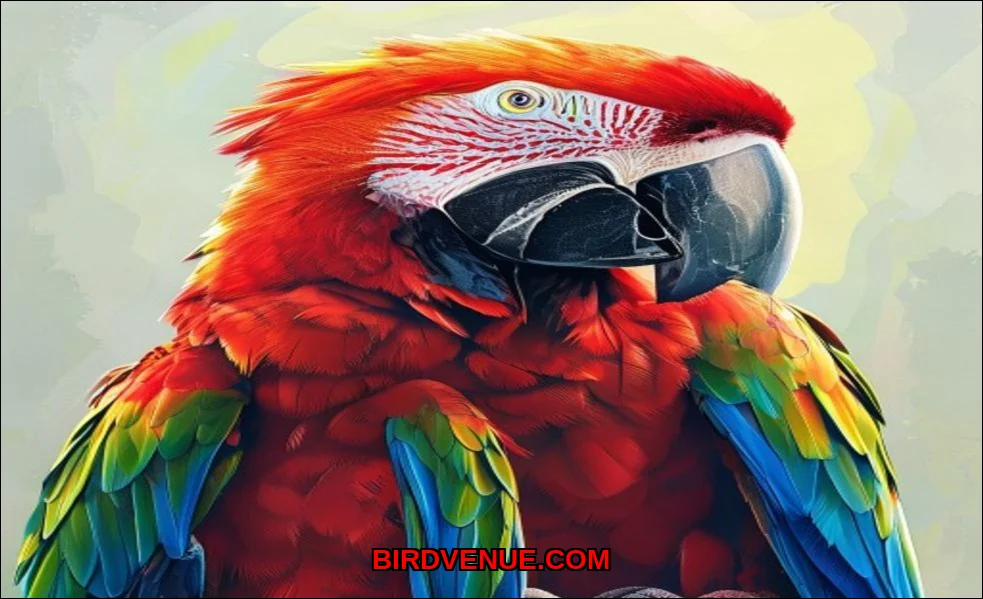
Top Parrot Species Known for Talking Ability
While many parrot species can mimic sounds, some are consistently celebrated for their clarity, vocabulary size, and comprehension. Here are the avian linguists you’re most likely to encounter.
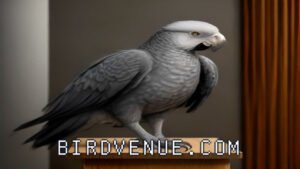
African Grey Parrot: The Feathered Professor
Widely considered the most accomplished talker, the African Grey is in a league of its own. Their mimicry is often flawless, and they are known for using words in context. Studies on their neurology show a complex “song system” similar to that of songbirds, which underpins their advanced vocal learning capabilities. They can develop vocabularies of hundreds of words and sounds.
- Pros: Unmatched clarity and cognitive association.
- Cons: Requires immense mental stimulation; can be sensitive and prone to feather-plucking if bored.
Amazon Parrots: The Outgoing Conversationalists
Yellow-naped, Double Yellow-headed, and Blue-fronted Amazons are particularly talented. Amazon parrot speech is often clear and loud, delivered with a charming, sometimes comical, flair. They are social, confident birds that thrive on interaction, making them eager students.
- Pros: Excellent clarity, playful personalities, strong bond with owners.
- Cons: Can be very loud; some species are known for hormonal aggression during maturity.
Budgerigar (Budgie): The Small Package with Big Talent
Don’t let their size fool you. Budgies hold the world record for the largest bird vocabulary. While their voices are small and sometimes chirpy, their capacity for budgerigar mimicry is astounding. They are one of the easiest parrots to teach to talk for beginners due to their affordability and generally agreeable nature.
- Pros: Affordable, low space requirements, can learn large vocabularies.
- Cons: Voice can be hard to understand; large flocks can be noisy.
Cockatoos and Cockatiels: The Whistling Mimics
Cockatoos are brilliant and can learn words, though their cockatoo vocabulary often plays second fiddle to their talent for mimicry of sounds and melodies. They are incredibly emotionally needy. Cockatiels, their smaller cousins, are more likely to whistle tunes than speak clearly, but some males do learn words.
This article is part of our bigger Parrot Talking & Mimicry: Complete Guide hub.
- Pros: Deeply affectionate, hilarious sound mimics.
- Cons: Extremely demanding; powder down can affect allergy sufferers; often scream for attention.
Other Notable Talkers
Eclectus Parrots, especially males, can be clear talkers with sweet voices. Indian Ringneck Parakeets develop remarkably human-like voices. Even some larger macaws and conures can learn a handful of words, though clarity varies.
Key Factors That Influence a Parrot’s Talking Potential
Choosing a species known for talking is just step one. Several other elements determine if your individual bird will become a chatterbox.
Species and Individual Personality
As outlined above, genetics set the stage. But within any species, you’ll find the outgoing “class clown” and the shy observer. A bird’s inherent curiosity and boldness often correlate with its willingness to experiment with sounds.
Age and Socialization
Younger birds are generally more receptive to learning new sounds, much like human children. A hand-fed, well-socialized parrot that sees you as its flock is far more motivated to communicate than a fearful, aviary-raised bird. This foundational social interaction is non-negotiable.
Your Training Environment and Commitment
This is the factor you control. A stressed, bored, or ignored parrot won’t talk. You need to provide a secure, stimulating environment. The biggest question beginners have is, how long does it take to teach a parrot to talk? The answer is weeks, months, or even years of short, daily sessions. Consistency is your most powerful tool.
How to Teach Your Parrot to Talk: Effective Training Methods
Training isn’t about forcing speech. It’s about creating opportunities for your bird to choose to mimic you. Heres a practical framework.
1. Build a Bond of Trust First
Never start formal training with a new or scared bird. Spend weeks just being near the cage, talking softly, offering treats from your hand. Your bird must be comfortable and eager for your attention before you begin.
2. Master the Basics of Positive Reinforcement
This is the cornerstone. The instant your bird makes a sound resembling your target word, immediately reward it. Use a high-value treat, enthusiastic praise, or a head scratch. Positive reinforcement tells the bird, “That sound was good! Do it again.”
3. Start with Simple, Contextual Words
Begin with one or two-syllable words you use daily. “Hello,” “Hi (bird’s name),” or “Step up” are great starters. Say the word clearly and enthusiastically every time you greet the bird or ask it to step up. Context helps the bird make an association.
4. Keep Sessions Short and Fun
Five to ten minutes, once or twice a day, is perfect. End on a positive note with a treat, even for effort. If you or the bird get frustrated, stop. Training should feel like a game, not a chore.
5. Utilize Tools and Repetition Wisely
Some owners have success with recorded repetition, but live interaction is always superior. Your facial expressions and energy are part of the lesson. Remember, you’re not just teaching a sound; you’re teaching communication within your shared flock.
Choosing the Right Talking Parrot for Your Lifestyle
This is the most critical step. Matching a bird’s needs to your life prevents heartache. Ask yourself these questions.
| Consideration | Question to Ask Yourself | Species Example |
|---|---|---|
| Time & Commitment | Can I provide 3-5 hours of out-of-cage social time daily, for 30+ years? | African Grey (High), Budgie (Moderate) |
| Noise Tolerance | Can I handle loud contact calls? Is my living situation suitable? | Cockatoo (Very Loud), Amazon (Loud), quieter household parrots |
| Space & Budget | Do I have space for a large cage? Can I afford premium food, vet care, and toys? | Macaw (Large/Expensive), Conure (Moderate) |
| Training Patience | Am I in it for the long haul, without guaranteed results? | All species personality is never a guarantee. |
A key insight often missing from guides is the noise level vs. talking ability trade-off. The best talkers are often the most vocal in general. An African Grey’s intelligent chatter is interspersed with loud whistles and calls. A quiet apartment might be better suited for a clever but less deafening bird like a small parrot that can talk, such as a budgie or a cockatiel.
So, can all parrots learn to talk or only some species? The capacity for vocal learning exists in many, but the propensity and clarity are species and individual-dependent. Your journey starts with realistic expectations. Choose a bird you would love even if it never said a word. The bond you build through patient, consistent, and positive interaction is the true reward. The speech, if it comes, is simply a fascinating bonus to a remarkable friendship.