
You hear your parrot let out a sharp squawk from the other room. It’s not a word you’ve taught them. It’s not even a recognizable mimicry of your microwave beep. It’s a raw, natural sound. This moment highlights a fundamental truth about your feathered friend: talking is just one small part of a vast and complex soundscape. Parrots make sounds other than talking because it’s their primary language for survival, social bonding, and expressing emotion.
Their ability to mimic human speech is fascinating, but it’s a learned overlay on a deep-rooted system of innate vocalizations. To truly understand your parrot, you need to listen to all their noises. Think of it as learning the difference between someone reciting a memorized poem and having a spontaneous, emotional conversation. The latter is what their natural sounds represent. Providing enrichment, like interactive toys such as Bird Parrot Bells, can give them a positive outlet for this energy and sound-making instinct.
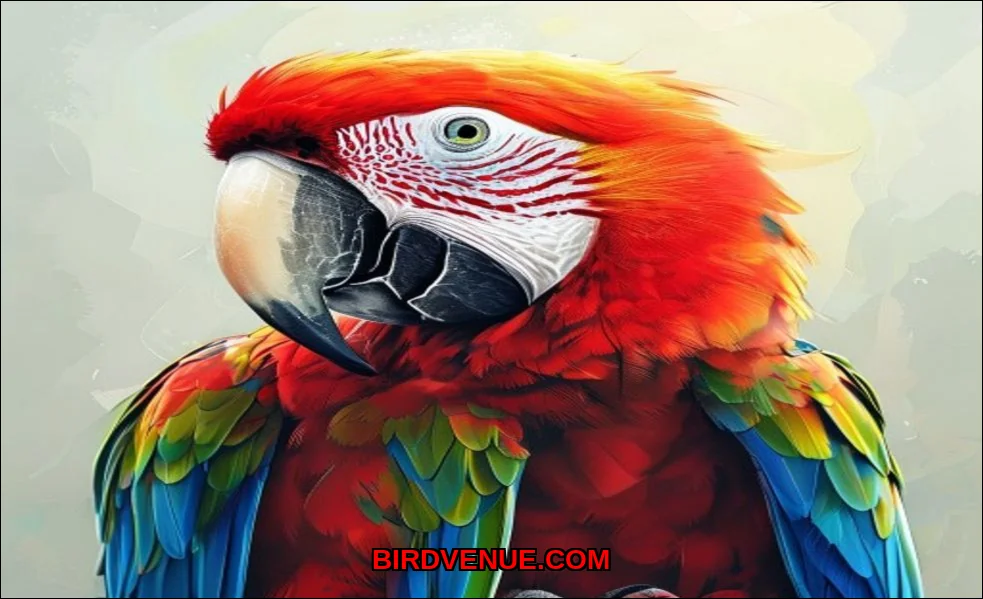
The Foundation: Natural Communication Calls
In the wild, a parrot’s life depends on sound. Their vocalizations are precise tools for navigating the world. Before you can interpret the squawks and chirps in your home, you need to know their original purpose.
Staying Connected: The Importance of Contact Calls
This is perhaps the most common sound you’ll hear. Contact calls are short, frequent chirps or squawks used to maintain awareness of flock members. In a dense forest, a parrot can’t always see its mate or flock. A quick “I’m here!” call reassures everyone and maintains group cohesion. Your parrot uses this same instinct with you. When you leave the room and they call out, they’re checking on your location. They consider you part of their flock. A response from you, even just a “I’m in the kitchen!”, can satisfy this need and prevent the call from escalating into a distressed scream.
Alarms, Food, and Courtship: Specific Sound Signals
Beyond general contact, parrots have specialized calls for critical events. Competitors often miss these specific bird sounds meaning.
- Alarm Calls: These are loud, harsh, and urgent screeches. They are designed to startle and alert the entire flock to immediate danger, like a predator’s approach. In your home, a sudden, similar scream might be triggered by a strange shadow, a new object, or a perceived threat.
- Food Calls: Excited, chattering noises often accompany the discovery of a tasty treat. In wild flocks, these calls attract others to a food source. Your parrot might make similar happy, rapid sounds when you bring out their favorite nut or fresh fruit.
- Courtship Sounds: These are softer, more melodic warbles, whistles, and mumbles. Species like Cockatoos and Amazon Parrots are known for their complex courtship vocalizations, which can include beak clicking and feather ruffling as part of the display.
Recognizing these contexts helps you answer questions like why do parrots make loud screeching sounds? It’s rarely “just to be loud”it’s communication with a specific intent.
The Social Soundscape: Bonding and Flock Dynamics
Parrots are profoundly social creatures. Their sounds are the glue that holds their community together. Flock dynamics are negotiated and reinforced through noise.
Contentment and Companionship
Soft chattering, grinding (a gentle crunching sound from the beak), and low-volume whistling are the sounds of a happy, relaxed parrot. This is often heard during preening sessions, at dusk, or when they are perched comfortably near you. It’s the avian equivalent of purring. These sounds signify safety and social satisfaction. Understanding this aspect of parrot communication is key to building trust.
Playful Sounds and Learning
Young parrots, much like human children, experiment with sounds during play. This babble is how they practice and develop their avian communication skills. They’ll try out different pitches, volumes, and patterns. This playful experimentation is also the foundation for parrot mimicry. They are naturally inclined to copy interesting sounds from their environment, which in the wild includes other species’ bird calls and environmental noises. This leads directly to the question of why do parrots mimic sounds in the wild? It’s a social and adaptive behavior that integrates them into their acoustic environment and can be useful for signaling.
Environment and Emotion: What Your Parrot is Telling You
Your home is your parrot’s environment, and their sounds are a direct reflection of how they experience it. Their vocalizations are a real-time emotional barometer.
Boredom, Stress, and Demand Sounds
A common issue for pet parrots is under-stimulation. Repetitive, monotonous screeching or screaming is often a sign of boredom or frustration. They have intelligent, active minds that need engagement. Without it, they create their own stimulation through noise. This is different from an alarm call; it’s persistent and often occurs at predictable times (like when you’re on the phone).
Stress can also manifest in sound. Hissing or growling (common in Macaws and Cockatoos) is a clear “back off” warning. Understanding these pet parrot sounds prevents miscommunication and potential bites. It’s also worth noting that parrots can learn “demand” screaming if they learn that screaming gets your attention. You can learn more about related behaviors, like why some parrots hold their food and others don’t, which can also signal comfort or resource guarding, in our dedicated article on parrot food-holding behavior.
The Dawn and Dusk Chorus
Many parrot owners are greeted by a raucous symphony at sunrise and sunset. This is a natural, instinctive behavior. In the wild, the flock calls loudly at dawn to regroup after a night’s rest and announce their presence on their territory. At dusk, they call again before settling down to roost. It’s a powerful, ingrained ritual. You can manage it, but you likely won’t eliminate it completelyit’s in their DNA.
The Instrument: How a Parrot Makes Sound
To appreciate the range of parrot noises, it helps to know about their unique anatomy. They don’t have a larynx like humans. Instead, they have a remarkable organ called the syrinx, located at the bifurcation of the trachea where it splits into the two bronchi.
The Power of the Syrinx
The syrinx is a highly flexible sound box with vibrating membranes and muscles that can be controlled independently on each side. This allows parrots to do something humans cannot: produce two completely different sounds or notes simultaneously. It’s the key to their incredible mimicry and the complex layers in their natural bird vocalizations. A species like the African Grey Parrot, renowned for its talking ability, has an exceptionally refined neuromuscular control over its syrinx.
Beak, Tongue, and Breath Control
The sound produced by the syrinx is then shaped by the parrot’s mouth, tongue, and beak. By changing the shape of its oral cavity and moving its thick, muscular tongue, a parrot can modulate pitch and tone with incredible precision. Their excellent breath control allows for long, sustained notes and rapid sequences of sound. This entire system is why they can perfectly imitate a creaking door, your laugh, and complex sentences. For a deeper dive into the champions of this ability, explore our guide to the best talking parrot species in the world.
| Sound Type | Common Examples | Likely Meaning/Context |
|---|---|---|
| Contact Call | Short chirp, mid-volume squawk | “Where are you?” / “I’m here!” |
| Alarm Call | Loud, harsh, sudden screech | “Danger!” / Immediate threat |
| Contentment Sound | Soft chatter, beak grinding | “I’m safe and happy.” |
| Playful Babble | Variable whistles, experimental noises | Practice, play, learning |
| Demand Scream | Loud, repetitive, attention-seeking | Boredom, frustration, learned behavior |
Listening to the Whole Conversation
When you stop focusing solely on speech, a richer world opens up. Your parrot’s vocalizations are a continuous stream of information about their needs, emotions, and instincts. The chatter during your morning routine is a contact call. The quiet grinding as they nap on your shoulder is pure contentment. The frantic screams when a hawk flies past the window are an alarm call for their human flock.
Your role is to become a thoughtful listener. Pay attention to the contextthe time of day, their body language, and what just happened in their environment. This allows you to respond appropriately, meeting their needs and strengthening your bond. Remember, parrot mimicry of human words is a brilliant trick, but their innate sounds are the true heart of parrot communication. By understanding how do parrots communicate with each other at their core, you learn to communicate better with them. For further scientific insight into the mechanics of speech mimicry, the Audubon Society offers a great resource on the evolutionary reasons parrots talk.
Start today. Listen not for words, but for meaning. You’ll find your relationship with your feathered friend becomes deeper, quieter, and far more rewarding.
