
Wild parrots are more than just colorful pets. They are intelligent, social birds with complex lives in diverse ecosystems across the globe. Their vibrant presence is a key indicator of a healthy environment. To truly appreciate them, you need to understand their parrot natural environment. This is where they forage, breed, and form the intricate social bonds we often only glimpse in captivity.
From the Amazon basin to the Australian outback, where parrots live in the wild is surprisingly varied. While many are synonymous with lush rainforest parrot habitat, others thrive in woodlands, savannas, and even alpine regions. Their global parrot distribution tells a story of adaptation. But it’s also a story under threat. Knowing what do wild parrots need is the first step in ensuring their survival for generations to come. For birdwatchers and conservationists wanting a closer, ethical look, a good pair of compact binoculars is invaluable. For this purpose, many enthusiasts recommend the Occer 12×25 Compact for its clarity and portability in dense forest environments.
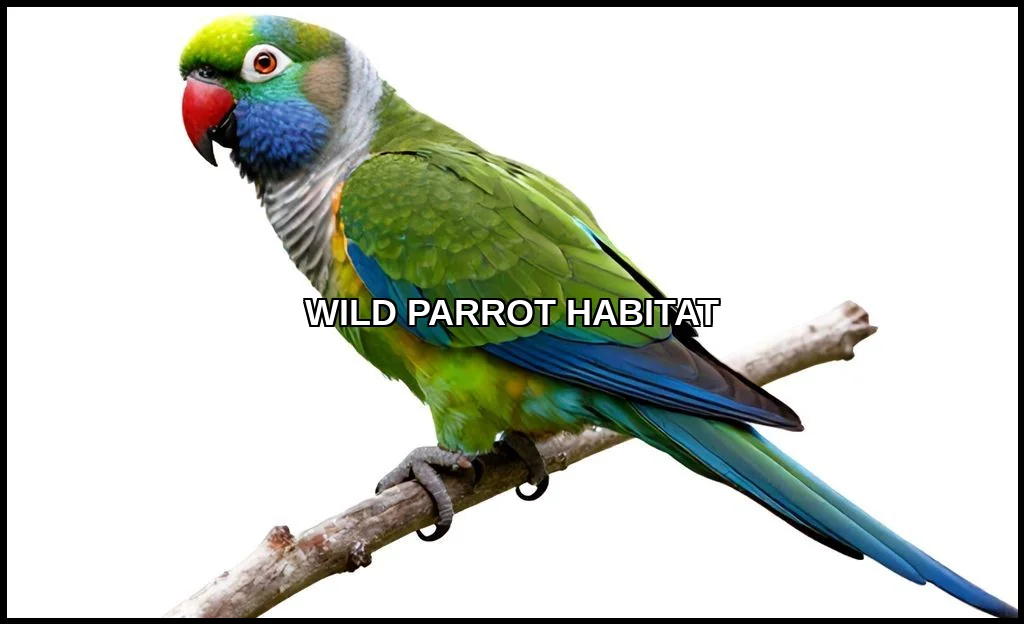
Global Parrots: From Rainforests to Savannahs
When you picture a wild parrot, you likely imagine the dense, green canopy of a tropical rainforest. This iconic tropical bird environment is home to the greatest diversity of species. Macaws, Amazons, and African Greys all evolved here. But parrots have conquered other landscapes too.
Cockatoos dominate the forests and open country of Australasia. Budgerigars form spectacular flocks over Australian grasslands. The rugged mountains of New Zealand are the last refuge for the critically endangered Kakapo. This geographic spread means there’s no single answer to what is the best habitat for a wild parrot. The “best” habitat is the one a species is uniquely adapted to over millennia.
Core Habitat Features: Climate, Canopy, and Cavities
Despite their geographic spread, successful parrot habitats share critical features. These elements form the foundation of their parrot ecosystem.
The Vital Canopy Layer and Flock Territory
The forest canopy layer is everything. It’s a supermarket, a highway, and a sanctuary rolled into one. This dense roof of leaves provides food, shelter from predators, and travel routes. Parrots are almost exclusively arboreal, meaning they live their lives in trees. A group’s parrot flock territory can be vast, encompassing many square miles of forest to meet their nutritional needs.
- Climate: Most parrots require stable, warm climates where food is available year-round. Frost can be deadly.
- Food Sources: A habitat must offer a continuous supply of nuts, seeds, fruits, and blossoms.
- Water: Reliable sources of fresh water for drinking and bathing are non-negotiable.
The Critical Need for Nesting Sites
Reproduction is a major bottleneck. Most parrots are obligate cavity nesters. They cannot excavate their own holes but depend on existing tree cavities formed by decay or other animals. This makes old-growth trees with soft heartwood absolutely vital. Competition for these secure parrot nesting sites is fierce, often limiting population growth. The loss of these ancient trees is a direct blow to their breeding success.
Diet, Foraging, and Ecosystem Roles
Parrots are not passive residents. They play active, crucial roles in their avian habitat. Their powerful beaks are evolutionary marvels, capable of cracking incredibly hard nuts that few other animals can access.
This diet shapes the forest. By dropping and dispersing seeds, often over great distances, parrots act as key agents of forest regeneration. They are gardeners of the canopy. Their foraging behavior can influence the distribution of tree species for decades. Understanding this symbiotic relationship highlights why their loss disrupts an entire ecological web.
Major Threats: The Disappearing Home
So, why are wild parrot habitats disappearing at an alarming rate? The pressures are multifaceted and often interconnected, creating a perfect storm for many species.
| Threat | Impact on Habitat | Example Species Affected |
|---|---|---|
| Deforestation | Direct loss of nesting trees and food sources. Fragmentation isolates flocks. | Hyacinth Macaw, Philippine Eagle-Owl |
| Illegal Pet Trade | Removes breeding adults from the population, destabilizing social structures. | |
| Climate Change | Alters fruiting cycles, increases extreme weather, and facilitates disease spread. | Many Australian species like the Gang-gang Cockatoo |
| Agricultural Expansion | Converts diverse forest into monoculture, removing native food plants. | Lear’s Macaw, Blue-throated Macaw |
The result is severe endangered parrot habitat loss. Over 50% of parrot species are now in decline, with many classified as threatened on the IUCN Red List. The iconic where do macaws live in the rainforest is becoming a smaller and more precarious question with each passing year.
Conservation Efforts and How You Can Help
The situation is dire, but not hopeless. Global conservation efforts are making a difference. These often focus on protecting key parrot conservation area networks, creating artificial nest boxes to supplement natural cavities, and supporting community-based ecotourism that values live birds over captured ones.
How to protect wild parrot habitats is a question with answers at multiple levels:
- Support Responsible Organizations: Donate to or volunteer with groups doing on-the-ground habitat protection and rehabilitation.
- Make Informed Consumer Choices: Avoid unsustainable palm oil and tropical hardwoods that drive deforestation. Ensure any pet parrot is captive-bred with full documentation. For those interested in parrot companionship, research is keylike understanding which parrots are the best talkers to ensure a good fit.
- Be a Conscious Tourist: Choose eco-tours that respect wildlife and contribute to local conservation.
- Advocate: Support policies and legislation that protect critical forests and regulate wildlife trade.
For current parrot owners, providing a safe environment extends to travel; choosing the best carrier for Meyers parrots or similar species is part of responsible stewardship.
Protecting wild parrots isn’t just about saving beautiful birds. It’s about preserving the intricate, noisy, and vital ecosystems they anchor. Their fate is tied to the health of the forests and woodlands that sustain countless other species, including us. By understanding their needs and the threats they face, you become part of the solution. The echo of their calls in the canopy depends on the choices we make now.
