
Choosing a home for your parrot is one of the most significant decisions you’ll make. It’s not just furniture; it’s their entire world. A well-chosen wrought iron bird cage offers a blend of security, durability, and style that few other materials can match. For large, intelligent birds like macaws and cockatoos, the right enclosure is critical for their physical and mental well-being.
You’re not just buying a cage. You’re investing in a long-term habitat. Wrought iron, especially with a high-quality powder coated finish, provides a robust framework that can withstand powerful beaks and active lifestyles. A model like the Yaheetech 52-inch Wrought iron cage is a popular starting point for many owners, offering substantial space and a stable stand. It exemplifies the modern approach to parrot housing: spacious, functional, and designed with both pet and owner in mind.
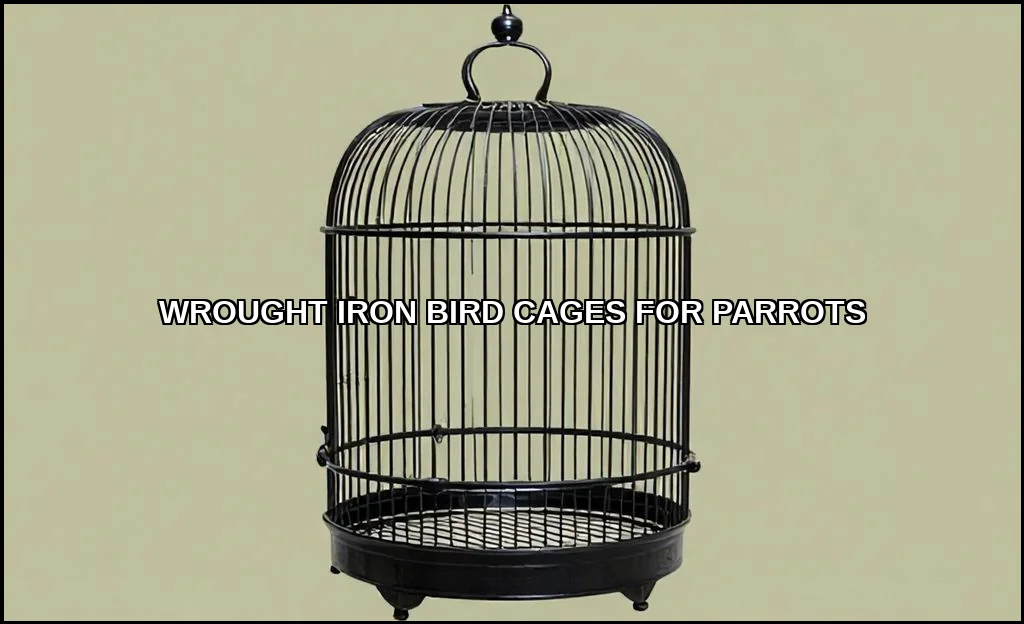
What Makes a Great Wrought Iron Parrot Cage?
Not all wrought iron cages are created equal. The difference between a good cage and a great one lies in the details of its construction and design. You need to look beyond the basic shape and consider how each feature impacts your bird’s daily life.
Cage Size and Dimensions: Giving Room to Soar
The single most important factor is size. Your parrot needs enough room to fully extend its wings and flap without touching the sides. For larger species, this means thinking in terms of a flight cage or a wrought iron aviary. A cramped cage leads to stress, feather plucking, and health issues.
- For Macaws & Cockatoos: Aim for a minimum width of 36 inches, but 48-60 inches is far better. Height is also crucial for climbing.
- For African Greys & Amazons: A cage at least 32″ wide and 36″ tall is a good baseline. The long tail feathers of an African Grey need vertical space.
- General Rule: Buy the largest cage your space and budget allow. You can never have too much room.
This is why the question what size wrought iron cage for an African Grey is so common. It’s a balance between the bird’s needs and practical living space. Always check the internal dimensions, not just the external footprint.
Bar Spacing and Safety: Non-Negotiables
Bar spacing is a critical safety feature. Spacing that’s too wide can lead to escaped birds or, worse, head entrapment. It must be appropriate for your specific parrot’s size.
| Bird Type | Recommended Bar Spacing |
|---|---|
| Macaws, Large Cockatoos | 1 inch to 1.5 inches |
| African Greys, Amazons | 3/4 inch to 1 inch |
| Medium Parrots (Conures, etc.) | 1/2 inch to 3/4 inch |
Also, inspect the weld points and construction. Smooth, ground-down welds prevent injury. The finish must be a certified non-toxic finish. Birds chew everything, and ingesting flaking paint or zinc (from galvanized steel) is deadly.
Material and Build Quality: The Wrought Iron Advantage
True wrought iron is heavy and incredibly strong. Modern “wrought iron” cages are typically made from heavy-gauge steel, which offers similar durability. The key is the coating. A high-quality powder coated layer is baked on, creating a hard, chip-resistant shell that’s safe for chewing.
Look for details like gauge thickness (a lower number means thicker, stronger metal), door latch security, and the weight capacity of the included stand. Many owners overlook specific weight capacity, but a large macaw cage needs to support not just the bird, but heavy perches, toys, and food bowls without wobbling.
Top Cage Styles and Features to Consider
Today’s market offers specialized designs that cater to different needs. Understanding these categories helps you match the cage to your lifestyle and your parrot’s personality.
Play Top Cages vs. Stationary Cages
A play top cage features a grated or solid roof that converts into an external play area. It’s fantastic for giving your bird out-of-cage time while still being contained. Great for interaction. A stationary cage is often more streamlined and might be chosen for its specific dimensions or to fit into a room’s aesthetic.
The Convenience of Rolling Bird Cages
Never underestimate the utility of a rolling bird cage. Models with sturdy, lockable casters make cleaning a breeze and allow you to easily move the parrot enclosure for sunlight or family time. This is a huge quality-of-life upgrade for you.
Accessories and Customization
The best bird habitat is one you can tailor. Look for cages with multiple feeder doors, seed guards, and a variety of perch mounting options. Some high-end brands like King’s Cages and A&E Cage Company offer modular accessories. Also, check the warranty information and lengthit’s a strong indicator of the manufacturer’s confidence in their product’s material quality and durability.
Setup, Maintenance, and Long-Term Safety
Getting the cage home is just the beginning. Proper setup and care ensure it remains a safe palace for years.
Assembly is Key
When learning how to assemble a wrought iron parrot cage, take your time. Lay out all parts, follow the instructions, and ensure every bolt is tight. An improperly assembled cage is a safety hazard. Enlist a helper for larger models.
Creating an Easy Clean Cage Environment
An easy clean cage starts with design. Removable bottom trays, large doors, and a bird cage stand that elevates the unit are essential. Use cage liners for quick daily changes. A deep clean with bird-safe disinfectant should be done weekly. The powder coated finish should wipe down easily with a damp cloth.
Ongoing Safety Checks
- Weekly: Check for rust spots, especially around welds or scratches.
- Monthly: Test all door latches and hinges for wear.
- Always: Monitor your bird’s chewing. Even the best non-toxic finish can wear down over years.
For comprehensive care advice beyond housing, the authority guide from Lafeber is an excellent official source for nutrition and health.
Frequently Asked Buyer Questions
What’s the best wrought iron cage for large macaws?
Focus on brands known for heavy-duty construction, like Prevue Hendryx’s largest models or specialty brands. Look for a bar gauge of at least 8mm, 1-inch bar spacing, and a footprint no smaller than 40″x30″. The best wrought iron cage for large macaws will feel massively overbuiltand that’s exactly what you need.
Wrought iron vs stainless steel bird cages: Which is better?
Stainless steel is the ultimate in durability and safety (no coating to chip), but it’s often 3-5 times more expensive. High-quality powder-coated wrought iron offers excellent safety and durability at a more accessible price point. It’s the best value for most owners. Stainless is often chosen for birds with severe chewing habits or in humid climates.
How important is the country of manufacture?
It can be an indicator of quality control. Many reputable brands design in the U.S. but manufacture overseas. The key is the brand’s reputation and their quality assurance process. Don’t dismiss a cage based solely on origin; instead, look at customer reviews, warranty, and the brand’s history in the market.
Choosing the right cage is an act of care. It’s about providing a secure, stimulating environment where your parrot can thrive. Whether you have a chatty African Grey (wondering which parrots talk best is a common thought) or a playful macaw, their home sets the stage for their happiness. Remember, their world is largely defined by the bars around them. Make it a good one. And while you’re setting up their perfect habitat, you might even get inspired by fun ideas like what to feed your virtual feathered friends in other worlds. Invest in thoughtful design and robust materials from the start. Your parrot will thank you with years of vibrant health and companionship.
