
Thinking about an acrylic bird cage? You’re not alone. These clear, modern enclosures are catching the eye of bird owners everywhere. They promise an unobstructed view of your feathered friend and a sleek look for your home. But are they the right choice for your parrot or cockatiel? It’s a question of aesthetics versus practicality.
For those seeking a hybrid design that combines the best of both worlds, the GuineaLoft Acrylic-Front Bird cage is a standout option. It features a clear acrylic front panel for visibility with traditional metal sides for superior ventilation, addressing a key concern we’ll discuss. Now, let’s dive into the clear-cut details.
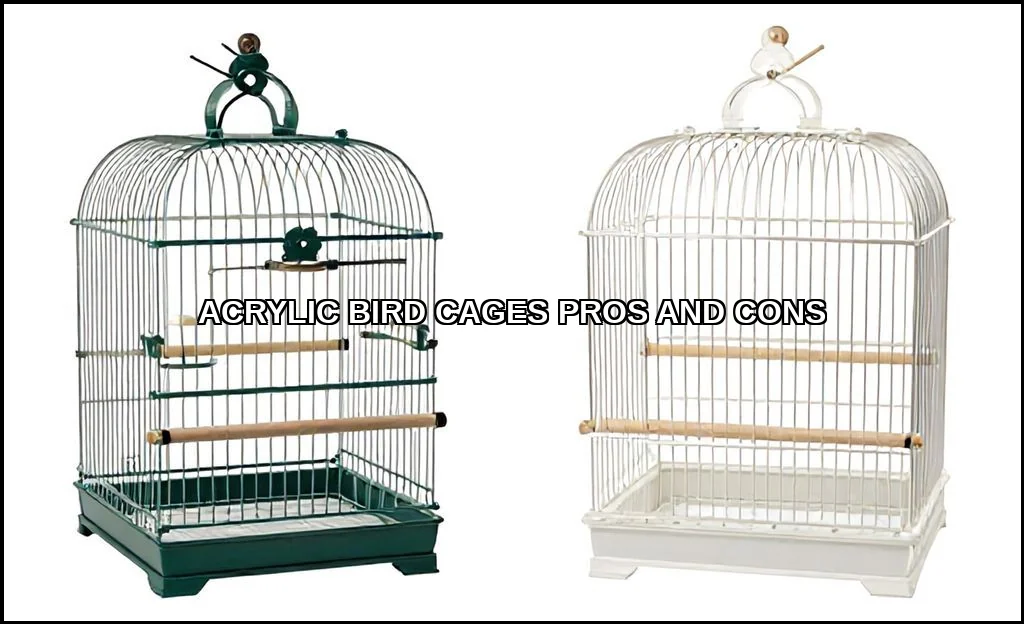
Introduction to Acrylic Bird Cages
An acrylic bird cage, often called a plastic bird cage or plexiglass bird cage, is made from Poly(methyl methacrylate) or PMMA. This is the same material used in aquariums and airplane windows. Its primary draw is the panoramic view it offers. Unlike wire bars, a clear bird cage lets you watch your bird’s every move without visual interruption. This makes them popular for small bird cages housing budgies or as medium parrot cages for species like cockatiels. But this unique material comes with a specific set of rules for care and suitability.
Pros of Acrylic Bird Cages
Why would you choose acrylic? The benefits are visually and practically compelling for the right setup.
Unmatched Visibility and Aesthetic Appeal
This is the biggest selling point. You get a 360-degree view of your bird’s antics. It’s like having a living piece of art. The modern, clean look integrates into contemporary home decor far more seamlessly than most metal cages. For display purposes, nothing beats it.
Controlled Environment and Draft Protection
Acrylic panels block drafts more effectively than wire cages. This can help maintain a more stable temperature and humidity level around your bird, which is a genuine advantage in cooler climates or drafty rooms. It’s a more enclosed environment.
Containment of Mess (To a Degree)
While not airtight, acrylic sides do a better job of containing seed hulls, feathers, and food debris than open wire bars. The mess tends to fall straight down instead of being scattered by air currents. This can make the area immediately around the cage easier to manage.
Safety from Bar-Related Injuries
For very small birds or clumsy fledglings, there’s no risk of getting a head, leg, or wing caught between bars. The smooth, solid walls eliminate that particular hazard, which is a valid point for acrylic cage safety in specific scenarios.
Cons of Acrylic Bird Cages
The drawbacks are significant and often deal-breakers for experienced bird owners. They center on the fundamental needs of a bird: air, mental health, and durability.
Ventilation: The Critical Compromise
This is the most serious flaw. Birds have incredibly sensitive respiratory systems. Proper ventilation is non-negotiable. Even with ventilation holes, an acrylic cage cannot match the constant, full air exchange of a wire cage. Stagnant air allows ammonia from droppings and dander to accumulate, creating a breeding ground for bacteria and fungi. Poor ventilation is a direct health risk. You must be hyper-vigilant about acrylic cage cleaning.
Behavioral Stress and Confusion
Birds navigate and perceive safety through sight. Reflections on clear acrylic can be deeply confusing and stressful. A bird might repeatedly try to fly to a perceived “open space” or see its own reflection as a rival. This constant stress can lead to anxiety, feather plucking, and other behavioral issues. It’s a missing entity many reviews overlook.
Scratches, Scuffs, and Cloudiness
Acrylic cage durability is a major concern. Even scratch-resistant coatings aren’t parrot-proof. Beaks and claws will scratch the surface over time. These scratches cloud the view, trap dirt, and make the cage look worn. Learning how to clean acrylic bird cage without scratching becomes a mandatory skill, requiring special soft cloths and cleaners.
Heat and Light Concerns
Acrylic can trap heat if placed in direct sunlight, potentially creating a dangerous greenhouse effect. standard acrylic filters out UVB light, which is beneficial for bird health. If you choose acrylic, ensure it’s made from UV-stable acrylic and never place it in a sunny window.
Weight and Cost
A well-constructed acrylic cage with adequate thickness (more on that soon) is heavy. It’s also generally more expensive than a comparable-sized wire cage from brands like Prevue Pet Products or Yaheetech.
Acrylic vs. Traditional Cage Materials
Let’s put acrylic in direct comparison with the standard options. The debate often boils down to acrylic vs wire or acrylic bird cage vs stainless steel.
| Feature | Acrylic Cage | Wire/Metal Cage |
|---|---|---|
| Visibility | Excellent, unobstructed | Obstructed by bars |
| Ventilation | Poor, requires careful design | Excellent, full air flow |
| Durability | Scratches easily, can crack | Very durable, especially stainless steel |
| Weight | Very heavy | Lighter (powder-coated) to Heavy (SS) |
| Safety | No bar injuries, risk of stress | Risk of bar injuries, less reflective stress |
| Cost | Generally higher | Wide range, often lower |
Acrylic vs wire isn’t a simple win/lose. It’s a trade-off between human desire (visibility) and avian need (airflow). For flight cages, wire is almost always superior due to the critical need for long-distance flight and air movement. Stainless steel remains the gold standard for durability and safety for powerful chewers like large parrots, though it commands a premium price.
Choosing the Right Acrylic Cage & Maintenance Tips
If you’ve weighed the pros and cons and are proceeding, heres how to do it right. This is where acrylic cage maintenance becomes part of your daily routine.
Selection Criteria: Thickness, Design, Warranty
Don’t buy the thinnest, cheapest option. For small birds, look for a minimum of 1/8 inch thickness. For cockatiels, parakeets, or similar, 1/4 inch is a safer bet to resist warping and cracking. This is a key missing specification. Examine the ventilation designare there large, grated openings on multiple sides? Look for reputable brands that offer a warranty against cracking; this speaks to material quality.
The Non-Negotiable Cleaning Protocol
Acrylic cage cleaning is a delicate art. You must clean it more frequently than a wire cage to prevent odor and bacteria buildup.
- Daily: Wipe down soiled interior surfaces with a damp, soft microfiber cloth.
- Weekly: Do a full breakdown. Use a 50/50 solution of white vinegar and water or a cleaner made specifically for acrylic. Never use ammonia, window cleaner, or abrasive pads. Rinse thoroughly.
- Drying: Air dry or use a soft cloth to prevent water spots.
This routine is essential for answering are acrylic bird cages safe for parrotsthey can be, but only with impeccable hygiene.
Placement and Bird Introduction
Place the cage in a well-ventilated room away from direct sunlight and high-traffic areas to minimize reflections. Introduce your bird slowly. Monitor closely for signs of stress from reflections. Providing plenty of interior perches and toys can help distract from the walls. For more on general cage selection principles, this authority guide from Audubon is an excellent official source.
When is an Acrylic Cage a Good Fit?
They can work well for:
- Small, non-destructive birds like finches or canaries in a large acrylic aviary with superb forced ventilation.
- Temporary housing for quarantine or travel (clear plastic carriers).
- As a secondary “display” cage for short, supervised periods, not primary housing.
- Hybrid designs, like the GuineaLoft Acrylic-Front Bird cage mentioned earlier, which mitigate the ventilation issue.
Understanding disease prevention, like how avian influenza spreads, underscores why quarantine and a clean environment matter, regardless of cage material.
So, what’s the verdict? Acrylic bird cages offer a stunning visual experience for the owner but present substantial challenges for the bird. Their acrylic cage advantages in aesthetics and draft control are countered by serious acrylic cage disadvantages in ventilation and potential for causing stress. For most bird owners, especially those with parrots, a well-designed stainless steel or powder-coated wire cage is a safer, healthier long-term investment. It provides the airflow and durability birds inherently need. If you love the acrylic look, consider a hybrid model or use it sparingly. Your bird’s health isn’t just about what you can seeit’s about the air they breathe and the environment they feel. And for creating a stimulating home environment beyond the cage, check out these innovative monitored birdhouse options that blend technology with care.
