
Keeping your birds hydrated is a daily task that can’t be skipped. But constantly refilling and scrubbing bowls gets old fast, especially in a large aviary. That’s where an automatic bird waterer steps in, transforming a chore into a set-and-forget system.
Think of it as a constant, clean water source. Whether you’re caring for a flock of chatty parrots, delicate finches, or robust poultry, these systems are designed to meet avian hydration needs with minimal fuss. For many aviculturists, a reliable option like the Pawfly Bird Water offers a practical starting point. It’s a popular gravity-fed model that illustrates the core benefits well.
What is an Automatic Bird Waterer?
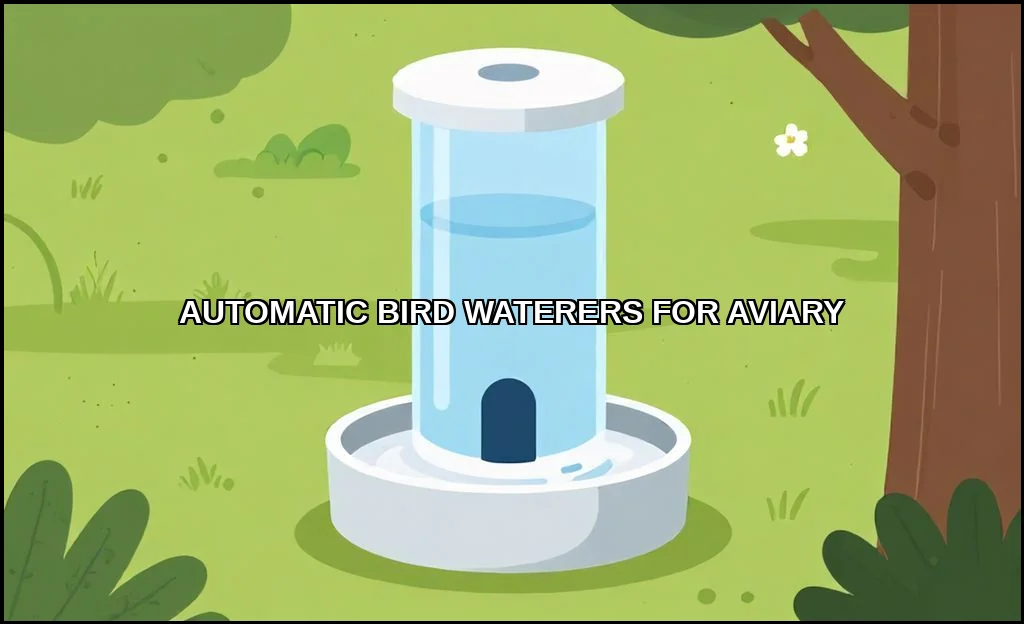
At its heart, an automatic bird waterer is a device that provides a self-replenishing water supply. It uses a reservoir to hold clean water, which is dispensed into a drinking area as birds consume it. This simple principle eliminates the daily scramble of refilling multiple bowls.
You’ll find three main types in the market. Gravity-fed waterers, like many from Kaytee, use a simple upside-down bottle or jug. Nipple waterers, common in poultry setups, release water when pecked. Cup or trough systems fill small cups automatically. Each has its place depending on your birds’ size and habits.
Key Benefits for Your Aviary
Switching to an automatic system isn’t just a minor upgrade. It’s a fundamental shift in how you manage your aviary’s most critical resource.
The most immediate gain is time-saving. You’re no longer tied to a strict refilling schedule. This is a game-changer for weekend trips or busy workweeks. Consistency is another win. Birds always have access to fresh water, which is vital for their health and can even impact their singing and plumage.
Perhaps the most underrated benefit is improved hygiene. Open bowls are magnets for droppings, food, and algae. A closed system, especially a nipple or covered cup design, drastically reduces contamination. This is a key factor in preventing disease spread within your flock. For more on why clean water sources matter, this authority guide from Audubon offers excellent insights.
Finally, these systems promote significant water conservation. Less water is spilled, evaporated, or soiled compared to traditional bowls. In a large outdoor aviary, this can mean gallons saved every week.
Top Features to Look For
Not all automatic bird drinkers are created equal. Your aviary’s specific needs should guide your choice. Here are the critical features to evaluate.
Capacity and Material
For a large aviary, think in gallons, not ounces. A 3-5 gallon capacity can service multiple birds for days. Material matters immensely. UV-resistant plastics won’t become brittle in the sun, and stainless-steel components resist corrosion and are easier to sanitize.
Freeze Protection and Spill Prevention
If your aviary is outdoors in a temperate climate, freeze protection is non-negotiable. Look for heated bases or insulated covers. A no-spill waterer design is also crucial. It keeps the bedding dry and the area clean, which is something brands like JW Pet often emphasize in their designs.
Ease of Cleaning
Algae growth is the enemy of any water system. Smooth, wide-mouth reservoirs and detachable parts make weekly cleaning a snap. Some advanced models even have anti-algae coatings. Regular maintenance is your best defense, and having clear automatic bird waterer cleaning instructions from the manufacturer helps.
Installation & Maintenance Guide
Setting up your system correctly ensures it works flawlessly from day one. A proper routine keeps it that way.
How to Install Automatic Waterer in Aviary
- Choose the Location: Mount or place the unit in a shaded spot, away from perches above to minimize droppings. Ensure it’s easily accessible for refills.
- Secure the Unit: For hanging models, use sturdy hardware. For ground units, place them on a stable, level platform.
- Prime and Test: Fill the reservoir completely. Check all nipples, valves, or cups to ensure water flows properly without leaking. Observe your birds to confirm they understand how to use it.
Training birds, especially exotic birds accustomed to bowls, might take a day. Sometimes tapping the nipple to release a drop of water in front of them does the trick.
Ongoing Maintenance Routine
Automation doesn’t mean neglect. A simple weekly routine preserves water quality.
- Empty and Scrub: Completely disassemble the unit. Use a bottle brush and a vinegar solution (1:1 with water) to scrub the reservoir and drinking parts. Rinse thoroughly.
- Inspect for Wear: Check seals, O-rings, and nipples for cracks or damage. Replacing worn parts promptly prevents bigger leaks.
- Refill with Fresh Water: Always use cool, clean water. In hot climates, you might need to check levels mid-week.
This routine is especially important for communal aviaries, as a single contaminated source can affect many birds. Understanding how diseases spread does highlight the importance of such protocols.
Automatic vs. Manual Waterers for Birds
Is the investment worth it? Let’s break down the comparison.
| Consideration | Automatic Aviary Water System | Manual Bowls |
|---|---|---|
| Time Commitment | Low (weekly maintenance) | High (daily refill/clean) |
| Water Freshness | Consistently fresh | Can stagnate quickly |
| Hygiene Control | High (closed system) | Low (open to contaminants) |
| Spillage & Waste | Minimal | High |
| Upfront Cost | Higher | Very Low |
The table shows the trade-off. Manual bowls win on initial price. But for anyone managing more than a couple of birds, the long-term benefits of an automatic waterer for birds in time-saving, hygiene, and peace of mind are overwhelmingly positive.
FAQs About Automatic Aviary Waterers
What is the best automatic waterer for a large aviary?
It depends on your species. For mixed flocks with parrots, canaries, and finches, a large-capacity gravity-fed system with multiple drinking stations often works well. For poultry-focused setups, a line of nipple waterers connected to a barrel is highly efficient. Durability and capacity are your top criteria.
Will my birds know how to use it?
Most birds adapt quickly. Curiosity usually leads them to investigate. You can encourage use by placing it near their old water source initially and demonstrating the mechanism. Some of the best monitoring tools can help you observe their adaptation without disturbing them.
How do I prevent algae in the reservoir?
Keep it out of direct sunlight. Use opaque, UV-resistant materials. Clean it weekly without fail. For stubborn cases, a dedicated pet-safe algae inhibitor can be used, but regular scrubbing is the most reliable method.
Are they suitable for outdoor use year-round?
Only if specifically designed for it. Look for models with integrated thermostatically controlled heaters for winter and robust, weatherproof construction. Not all automatic poultry waterer models have this.
An automatic bird waterer is more than a convenience. It’s an investment in the health of your flock and the efficiency of your routine. By providing constant access to clean water, you’re addressing a fundamental need in the most reliable way possible. Start by assessing your aviary’s size, bird types, and climate. Then choose a system that prioritizes durability and ease of cleaning. The initial setup pays for itself in reclaimed time and the visible well-being of your birds. They’ll drink easier, and you’ll breathe easier. That’s a win for any aviculturist.
