
Caring for an elderly bird is a unique and rewarding responsibility. Their needs evolve, requiring a habitat that prioritizes safety, comfort, and accessibility over sheer size or flashy features. Choosing the right senior bird cage isn’t just about convenience; it’s about enhancing their quality of life during their golden years.
An aging parrot cage or an elderly cockatiel habitat must address common age-related issues like arthritis, limited mobility, and vision impairment. A standard cage often falls short. This guide will help you select and modify an accessible bird cage that supports your feathered friend’s changing needs, from bar spacing to perching and beyond.
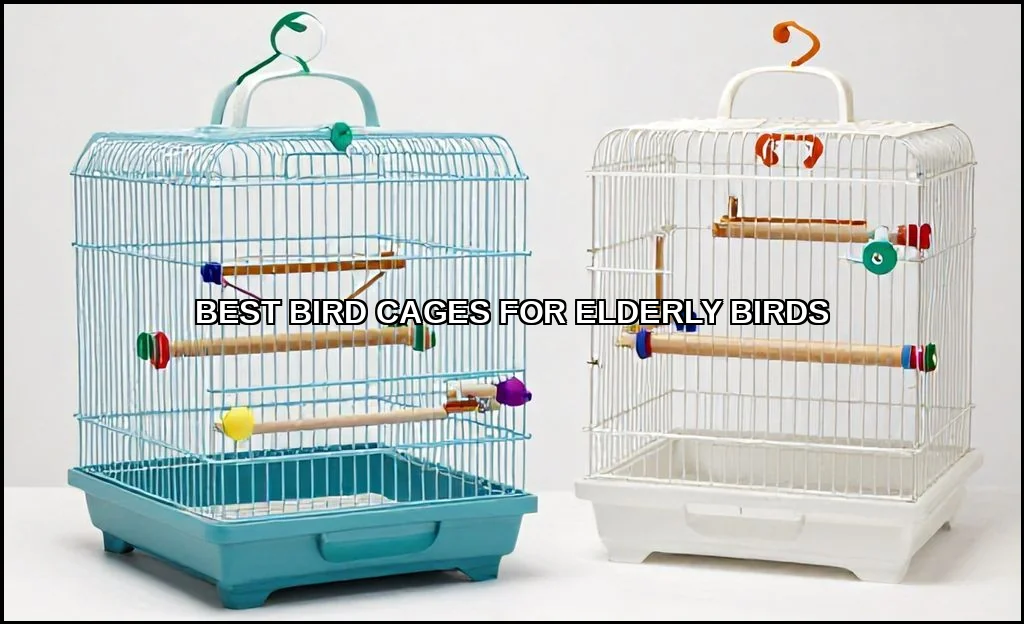
Understanding Elderly Bird Needs: Mobility & Safety
Older birds face challenges younger ones don’t. Weakened grip, stiff joints, and diminished eyesight make navigating a traditional cage difficult and even dangerous. An older bird enclosure must first be a safe haven.
Common issues include:
- Arthritis: Makes climbing painful, necessitating low, strategically placed perches.
- Vision Impairment: Requires consistent cage layouts to prevent collisions and stress.
- Weakened Grip: Demands varied perch diameters and textures for secure footing.
- Feather Plucking: Often stress-related, can be mitigated by a secure, comfortable environment.
These factors directly inform every feature of an ideal senior avian housing setup. It’s less about the most expensive cage and more about the most thoughtfully designed one. For foundational care tips beyond the cage, an excellent authority guide on senior bird care is invaluable.
Essential Cage Features: Bars, Doors & Accessibility
When evaluating a cage for an aging parrot, scrutinize its basic construction. The goal is to minimize risk and maximize ease of use for a bird with potentially low mobility.
Bar Spacing and Orientation
Horizontal bar spacing is non-negotiable for senior birds. It provides essential grip points for climbing and resting, especially for birds with arthritis. Vertical bars offer little to no assistance. The spacing must also be narrow enough to prevent a weakened bird from getting its head or body stucka critical safety feature.
Door Design and Placement
Look for cages with large, easy-access doors. Smaller doors can be hard for a stiff bird to navigate. Doors that open outward or slide smoothly are best. Placement is key too; a door at the same level as a main perch creates a seamless entry and exit point, reducing the need for risky climbs.
For many owners seeking a reliable starting point, Prevue Pet Products offers models known for their sturdy construction and good door designs, which can then be customized for senior needs.
Ramps and Level Transitions
Ramp accessibility can be a game-changer for a bird with limited mobility. Not all cages have them, but you can add safe, textured ramps to connect different levels. This transforms a multi-level cage from an obstacle course into a navigable space. The goal is to create a single-level or easily traversed environment.
Optimal Size & Interior Layout for Comfort
What size cage does an elderly cockatiel need? It’s a common question. While flight cages are fantastic for exercise, an arthritic bird setup often benefits more from a well-planned interior than excessive horizontal space. Focus on usable space.
Perch Strategy
Replace all dowel perches with a variety of natural wood perches in different diameters. Install multiple low perches at varying heights, all easily reachable without major climbs. Place them near food, water, and favorite spots to create efficient “rest stops.” A heated perch can provide soothing warmth for aching jointsa missing entity many guides overlook.
Food and Water Placement
Elevate dishes to perch level. Use shallow, wide bowls that are easy to see and access. For birds with vision problems, always keep dishes in the same, predictable locations. This simple modification reduces frustration and ensures consistent eating and drinking.
Noise and Climate Considerations
Two often-ignored factors are noise and ambient environment. Older birds can have sensitive hearing. Cages with metal trays can be loud. Consider lining trays with cage paper or using cages with built-in noise-dampening materials. senior birds struggle to regulate temperature. Ensure the cage is away from drafts but also consider gentle heating pads or humidifiers nearby to maintain stable warmth and humidity, especially in dry climates.
Material & Maintenance Considerations
An elderly bird habitat must be easy to keep clean. A weakened immune system means hygiene is paramount. Your ease of cleaning directly impacts their health.
Powder-coated steel is a top choiceit’s durable, non-toxic, and easy to wipe down. The cage should feature easy-to-clean trays that slide out smoothly. Grates over the tray are debatable; while they keep the bird off droppings, they can be hard on tender feet. Many owners remove the grate for senior birds, committing to more frequent tray cleaning instead.
Simplified cleaning routines are vital. A straightforward setup allows for quick daily wipe-downs and less stressful deep cleans. This is one area where function utterly trumps form. For monitoring your bird’s health in their home, some of the best monitoring tools can provide peace of mind without intrusion.
Top Recommended Cages & Modification Tips
You won’t find a perfect “senior bird cage” off the shelf. The best approach is to select a high-quality, adaptable cage and modify it. Brands like King’s Cages and A&E Cage Company are renowned for their sturdy flight cages and playtop cages, which offer excellent space and potential.
Choosing a Base Cage
Look for these attributes in a stationary cage stand model:
- Strong, horizontal bars with safe spacing.
- Large, front-opening doors.
- A simple, single-level main area or easily ramped platforms.
- A deep, slide-out debris tray.
A spacious flight cage can work if you fill the vertical space intelligently with ladders and low perches, rather than expecting the bird to fly across it.
Practical Modification Guide
Heres how to modify a cage for a bird with arthritis or create the best cage setup for senior parrot with limited mobility:
- Lower Everything: Move perches, toys, and dishes lower. Create a “highway” of perches that connects all essential areas without gaps.
- Add Ramps & Ladders: Use rope ladders or wide, textured ramps for any necessary inclines. Secure them tightly to prevent wobbling.
- Improve Traction: Wrap perches in vet tape or use textured cement perches in key locations to aid grip.
- Simplify the Interior: Remove clutter. Keep 2-3 favorite, easy-to-manipulate toys to prevent boredom without causing obstruction.
Remember, the cage is just part of their world. Their overall health can be affected by various factors, including how diseases affect avian populations, which underscores the importance of a secure, low-stress home.
Final Recommendations
Start with a quality, simple cage from a trusted brand. Invest your budget in custom perches, ramps, and accessories that tailor the space to your bird’s specific limitations. Observe their movements for a weekyou’ll quickly see which areas cause hesitation or difficulty, allowing for targeted improvements.
Creating the perfect accessible avian enclosure for an older bird is an act of attentive love. It requires observing their unique challengesbe it stiff wings, cloudy eyes, or simply less energyand thoughtfully adapting their world. By prioritizing safety through horizontal bar spacing, comfort with low perches, and accessibility via easy-access doors and ramp accessibility, you build more than a cage. You build a sanctuary that honors their companionship and supports their well-being through every season. The best habitat is the one that lets them live with dignity, ease, and joy.
