
Choosing the right home for your nesting birds is a big decision. It’s not just about a cage; it’s about creating a secure, comfortable environment where breeding behaviors can unfold naturally. The wrong setup can lead to stress, abandoned eggs, or even health issues for the parents and chicks. Your goal is to support their instincts, not hinder them.
Think of it as setting up a nursery. You need the right space, materials, and safety features. From understanding bar spacing to selecting the perfect nesting box, every detail matters. For many bird owners, a dedicated breeding cage with a divider panel offers the ultimate control. A popular choice that fits this need is the PawHut Divided Breeder, which provides separate spaces for feeding and brooding area privacy.
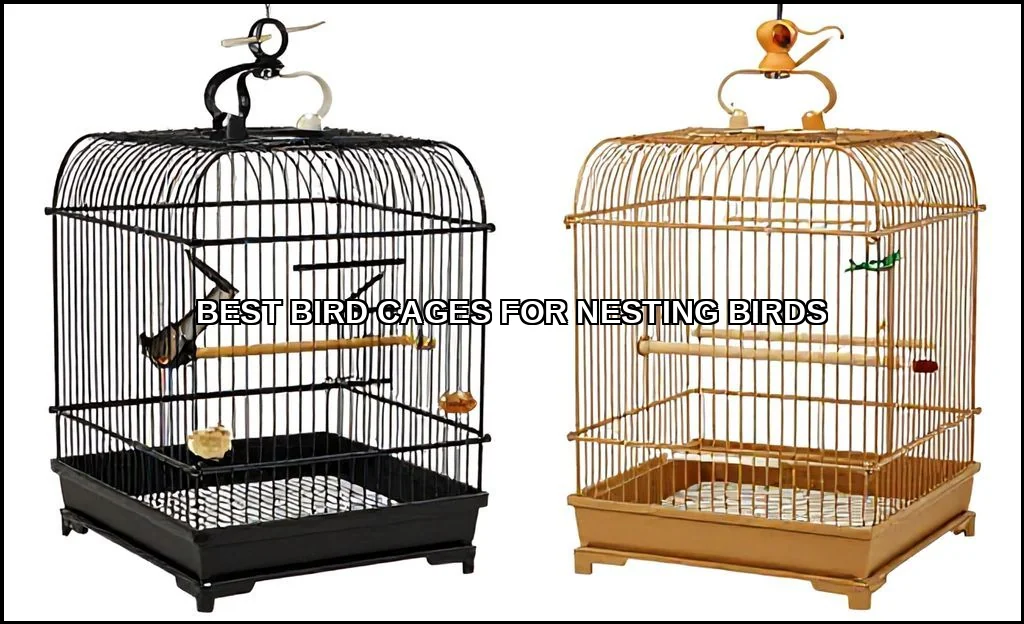
Essential Features of a Good Nesting Cage
Not all cages are created equal for breeding. A standard cage often lacks the specific design elements that encourage nesting and ensure safety. You’re looking for a specialized piece of avian breeding supplies.
Key features to prioritize include:
- Removable Tray: A non-negotiable for hygiene. It allows for quick, easy cleaning without disturbing the sensitive nesting area.
- Secure Nesting Box Attachment: The box must fasten sturdily to the cage exterior or interior. Wobbling or falling can cause birds to abandon their eggs.
- Appropriate Bar Spacing: This is critical for safety, especially with chicks. Gaps must be narrow enough to prevent escapes or heads getting stuck.
- Multiple Access Doors: You need doors to reach food/water without reaching past the nest and a larger door for cleaning and inspecting the nest box.
- Solid Back or Side Panels: These provide visual security, making the birds feel more hidden and protected, which is vital for a safe nesting environment.
Ignoring these features is a common mistake. It’s one of the frequent common nesting problems to avoid. A stressed bird won’t breed.
Choosing the Right Cage for Your Bird Species
Parrots, finches, and budgies have vastly different needs. A one-size-fits-all approach fails here. Your bird cage size and style must match the species’ natural behaviors.
For Small Birds: Finches and Budgies
Finches and budgies are active and social. Finch nesting cages or budgie breeding cages often work best as double flight cageslong, wide spaces that allow for flight exercise. The question of what size cage do nesting finches need has a clear answer: as wide as possible. A pair needs ample room to fly even when a nest is present. For budgies, horizontal space trumps height.
For Medium Birds: Cockatiels and Lovebirds
These birds need more vertical and horizontal space. Cockatiels appreciate height for climbing. The best nesting cage for breeding cockatiels is often a sturdy, tall cage with a wide footprint. Lovebirds can be territorial; a cage with a divider panel can be invaluable for separating a breeding pair if aggression arises. Understanding their natural nesting behaviors in the wildlike seeking tree hollowsinforms your box choice.
For Parrots: Conures, Senegals, and Larger Species
Nesting cages for parrots must be fortresses. They need heavy-duty construction, large doors, and chew-proof latches. The focus is squarely on creating a safe nesting cages for parrots with babies. Parents can become defensive, so easy, safe access for you is just as important as security for them. Brands like Prevue Hendryx and Mcage often offer models with the requisite strength.
Material Safety and Durability Considerations
The cage material directly impacts your birds’ health and the structure’s longevity. You can’t compromise here.
Look for powder-coated steel finishes. This coating prevents rust and is non-toxic, unlike some paints that can chip and be ingested. The metal gauge should be thick enough to resist bendingespecially important for determined parrots. Avoid cages with zinc or lead components, which are poisonous.
Plastic components, like the removable tray, should be made from high-density, non-porous plastic. This material doesn’t absorb bacteria and is easy to sanitize. Always check that all welds are smooth, with no sharp edges that could injure delicate feet or feathers. Your bird cage accessories, like perches, should be natural, untreated wood.
Proper Placement and Environmental Setup
A perfect cage in the wrong location will struggle to facilitate breeding. Your breeding cage setup extends beyond the bars.
Place the cage in a quiet, low-traffic area of your home. Avoid direct sunlight, drafts from windows or vents, and kitchens (fumes from non-stick cookware are deadly to birds). The area should feel like a secure retreat. This mimics the safety of a tree hollow and supports natural nesting behaviors in the wild.
Inside, provide ample nesting materials. Research what your specific species prefers. Some, like finches, will use soft grasses and feathers (you can find great tips from an official source on natural materials). Others, like most parrots, simply need a soft base like pine shavings in their nest box. Watch for signs of nesting readiness: increased chewing, seeking dark corners, or the female spending time in a potential nest site.
Environmental stability is key. Maintain consistent light cycles (12-14 hours of light is often recommended for triggering breeding condition) and stable temperatures. Sudden changes can disrupt the entire process. Remember, a bird’s health is paramount; understanding how disease does affect birds is part of responsible ownership.
Top Nesting Cage Recommendations and Comparisons
Let’s look at some common categories and how they stack up. This isn’t about declaring one “best,” but about matching the product to the purpose.
| Category | Best For | Key Features | Considerations |
|---|---|---|---|
| Double Flight Cages | Finches, Canaries, Budgies | Extreme horizontal space, often include divider, multiple doors. | May be less sturdy for strong chewers. Bar spacing is usually perfect for small birds. |
| Breeding Cages with Dividers | Cockatiels, Lovebirds, Small Parrots | Central divider separates breeding pair if needed, creates two compartments. | Essential for managing aggression. Look for models where the divider is solid for visual block. |
| Stand-Alone Nest Boxes | Adding to an existing large cage or aviary. | Attaches to cage exterior, provides dark, enclosed space. | Must ensure your existing cage has a suitable hole and secure mounting point. |
For those using a dedicated breeding cage, the setup process is specific. How to set up a cage for nesting budgies involves placing the cage in its quiet location first, then adding the nest box high in a corner, followed by safe perches and dishes away from the box entrance. For other species, monitoring with a device like one of the best birdhouse cameras can provide insight without disturbance.
Brands like Yaheetech offer good value in flight cages, while Mcage specializes in heavier-duty breeding cages for birds. Always read reviews focusing on durability and safety, not just price.
Avoiding Common Pitfalls
Even with the right gear, things can go wrong. Be prepared. One major issue is disturbing the nest too frequently. Inspect quickly and only when necessary. Another is providing unsafe nesting materials like stringy or synthetic fibers that can tangle around legs or necks.
Also, not all pairs will get along. Have a backup plan to use that divider panel if you see persistent aggression. Recognizing signs of nesting readiness is useless if you miss the signs of a problem: plucked feathers, constant anxiety, or ignored eggs.
Selecting the best bird cage for nesting birds blends science, observation, and a bit of art. It starts with respecting the species-specific needsfrom a budgie breeding cage that’s long and low to a fortress for parrots. Prioritize safety in materials and design, then master the environment: placement, light, and materials. The right cage doesn’t guarantee breeding success, but it builds the essential foundation. It gives your birds the security they need to follow their instincts, leading to healthier parents and thriving chicks. Your careful setup makes all the difference.
