
Choosing the right bird identification book can feel overwhelming. There are dozens of options, each promising to be the definitive guide. But the best book for you isn’t about a universal rankingit’s about matching a guide to your eyes, your location, and your curiosity.
A great field guide does more than just name birds. It becomes a trusted companion that deepens your connection to the natural world. It helps you decode behaviors, understand habitats, and turn a fleeting glimpse into a meaningful identification. For a beautifully illustrated and highly accessible option that many new birders love, consider the Smithsonian Handbooks Birds. Its clear photos and concise information make it a fantastic starting point.
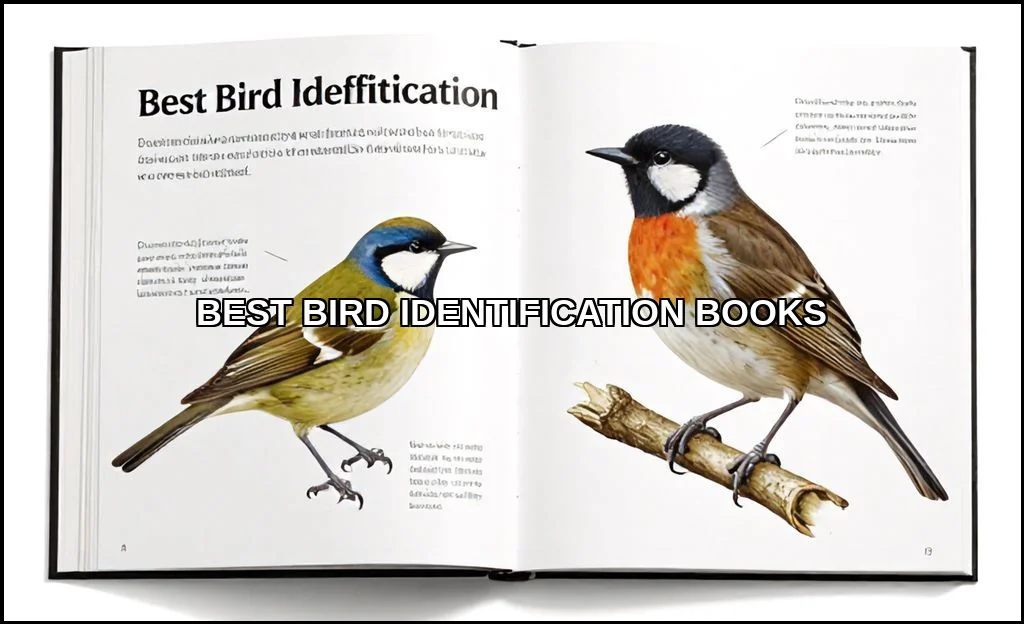
What Makes a Great Birding Guide?
Before diving into specific titles, consider what you need from a birding guide. The perfect book for a beginner in Maine is useless for an expert in Arizona. Focus on these key factors.
Illustration vs. Photography
This is the classic debate. Illustrated guides, like the Sibley guide or Peterson field guide, use artwork to show a bird’s ideal form, emphasizing plumage variations by age, sex, and season in a single image. Photographic guides, such as the Kaufman field guide, show real birds in typical settings, which can be more intuitive but may lack side-by-side comparison.
- Illustrations: Ideal for comparing similar species. They highlight key identification marks (field marks) clearly.
- Photographs: Great for conveying a bird’s “jizz” or general impression. They can show habitat context better.
Many birders end up with one of each. A photographic guide can feel more welcoming, while an illustrated one often provides more precise bird species identification.
Regional vs. National Coverage
A national guide tries to cover everything. This is fantastic for travel but can be frustratingly cluttered for local use. A regional guide narrows the possibilities instantly, making your bird spotting guide faster and lighter to carry. For instance, a regional bird guide for the Northeast will exclude western species you’ll never see, streamlining your search.
Your location should dictate your first purchase. Start regional.
The Critical Details: Maps and Text
High-quality range maps are non-negotiable. They tell you if a bird is likely in your backyard in July. The best maps show breeding, wintering, and year-round ranges with clear colors. The accompanying text should be more than a description; it should note behaviors, flight patterns, and vocalizations that you can observe in the field.
This is where an ornithology reference differs from a simple picture book. It provides the ecological story behind the sighting.
Top Bird Identification Books by Category
Let’s break down the standout series and where they excel. Think of this as your field guide to field guides.
The Illustrated Classics
These are the bedrock of bird identification.
- The Sibley Guides: Often called the gold standard. David Sibley’s paintings are meticulous, showing multiple angles and variations on a single page. It’s a comprehensive bird reference book for experts that beginners can also grow into. The detail is unparalleled.
- Peterson Field Guides: The system that taught America to bird. Roger Tory Peterson’s illustrations use arrows to point directly to the key “field marks.” It’s a brilliant, intuitive system for learning how to look. The Eastern and Western editions are excellent regional starters.
- National Geographic Birds: A fantastic hybrid. It features stunning artwork alongside crisp photographs and some of the best range maps in any guide. Its completeness and clarity make it a superb single-volume North American reference.
The Photographic Standouts
For those who prefer photos, these guides lead the pack.
- Kaufman Field Guide to Birds of North America: Kenn Kaufman pioneered the “digiscoped” photo style, where images are cleaned and optimized to show key features clearly. It’s incredibly user-friendly and a top contender for the best bird identification book for beginners.
- Stokes Beginner’s Guide to Birds: True to its name, this series (Eastern/Western) is designed for absolute novices. It uses a simple color-coded system and focuses on the most common birds you’ll actually see, making it a perfect backyard bird book.
Remember, the bird book with the clearest photos isn’t always the best for tricky IDs. Photos can have odd lighting or angles. Use them as a starting point.
Matching a Guide to Your Birding Experience
Just Starting Out
You need a guide that reduces frustration. Avoid the massive 800-page tome. Choose a regional photographic guide or a beginner-focused series. The Stokes beginner’s guide or a regional Peterson field guide are perfect. Pair your book with the Merlin Bird ID app from the Cornell Lab of Ornithology, an official source for sound ID and photo quizzes. And while you’re learning the birds, consider attracting them with the right gear, like our picks for the best birdhouses with cameras to observe nesting behavior.
Intermediate Birders Building Skills
You know the common birds. Now you’re chasing warblers in spring or puzzling over shorebirds. This is when you upgrade to a more detailed illustrated guide like Sibley or National Geographic. Consider adding specialized guides, a missing entity many overlook. Books focused on bird sounds/songs identification or specific groups like shorebirds or raptors are game-changers. They delve into behavior and ecology beyond simple ID.
Advanced Enthusiasts & Experts
Your library expands. You likely own multiple national guides for comparison and a shelf of specialized references. You might use the Sibley guide for detailed plumage variations and a work like “The Crossley ID Guide” for its revolutionary habitat-scene photography. Your ornithology reference section grows with texts on behavior, molt, and taxonomy. Resources from the American Birding Association become invaluable.
Beyond the Basic Field Guide
The modern birder’s toolkit is hybrid. Your book is a core component, but it’s not alone.
| Tool Type | Purpose | Example |
|---|---|---|
| Print Field Guide | Deep study, reliable reference, no battery needed. | Sibley, Peterson, Kaufman |
| Digital App | Instant sound ID, photo ID, location-based lists. | Merlin Bird ID, eBird |
| Specialized Reference | Mastering specific groups or skills (e.g., gulls, bird song). | “The Warbler Guide,” “Birding by Ear” |
Don’t fight between digital and print. Use them together. An app can suggest a species, and your book can confirm it with detailed text and comparative plates.
How to Use Your Bird Guide Effectively
Owning the book is step one. Using it well is step two.
- Look First, Then Look It Up: Observe the bird carefully. Note size, shape, bill, behavior, and color patterns before you grab the book. This trains your eye.
- Use the Index Wisely: Start broad (e.g., “small brown bird”). Narrow down by family (sparrow, wren) using the guide’s organization.
- Study the Range Map Immediately: If the map shows the bird is rare 1,000 miles away, you’re probably wrong. This is the fastest way to eliminate possibilities.
- Compare Similar Species: Good guides group look-alikes. Read the text on how to tell them apartoften it’s about behavior or a single feather group.
- Make Notes: Write the date and location in the margin when you see a new bird. Your guide becomes a personal journal.
And just as you need the right guide, birds need the right resources. Providing water, especially in cold months, is critical. Check out our guide to the best heated bird baths to support your local birds year-round.
Your Next Step
The journey into birding is a series of small, delightful discoveries. The perfect bird watcher book is the one you’ll actually take into the field and use. It should feel helpful, not intimidating. Start with a guide that matches your region and skill level. Let it get a little dirty. Dog-ear the pages of your common visitors.
From there, your curiosity will guide you. You’ll add a specialized guide for bird songs, then a comprehensive national reference. You’ll learn that identification is just the doorway. The real joy lies in understanding the lives behind the feathers. Now, grab a guide and go look.
