
You love watching birds flock to your feeder. The vibrant colors, the cheerful chirpsit’s a slice of nature right outside your window. But then you look down. A messy carpet of discarded seed hulls and spilled millet covers your lawn, deck, or patio. It’s an open invitation for squirrels, rodents, and mold. Sound familiar?
This common frustration has a simple, elegant solution: a bird seed catcher tray. Also called a seed spill tray or under feeder tray, this accessory is the unsung hero of mess-free bird feeding. It’s not just about aesthetics; it’s about efficiency, hygiene, and supporting your local ecosystem. For a reliable and highly-rated option that tackles these issues head-on, many seasoned birders recommend the Bird Seed Catcher. It’s a fantastic starting point for transforming your bird feeding station.
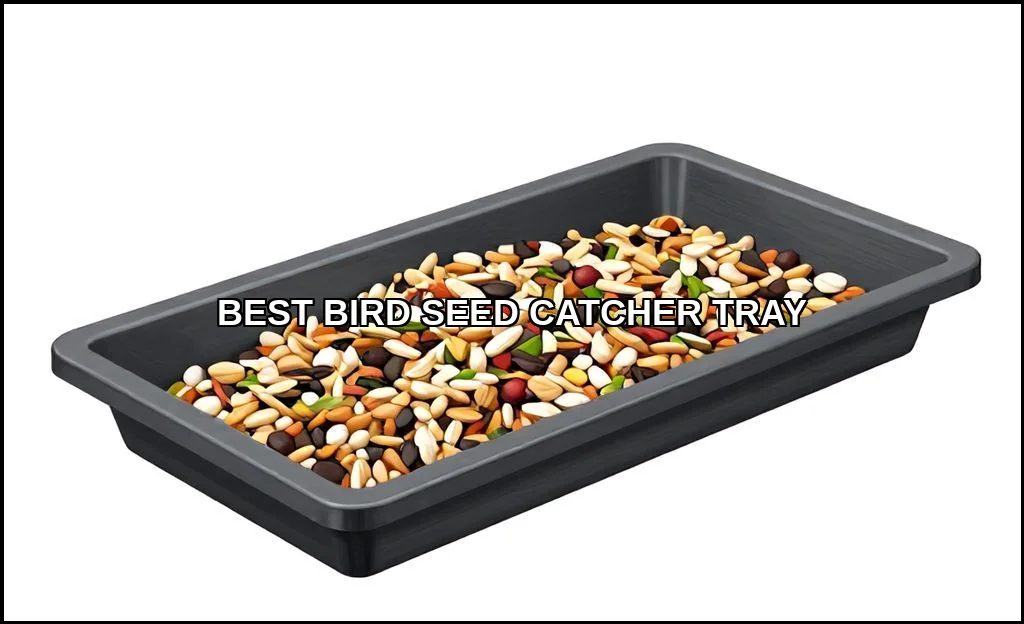
What is a Bird Seed Catcher Tray and Why You Need One
Think of a seed catcher as a large, shallow dish or platform mounted directly beneath your feeder. Its primary job is seed spill containment. Birds are notoriously messy eaters. They toss aside hulls to get to the good stuff inside, and their activity knocks plenty of whole seeds to the ground. A tray intercepts this waste before it hits the grass or your deck boards.
The benefits are immediate and multifaceted. First, you drastically reduce ground cleanup. No more raking or sweeping piles of soggy seed. This directly addresses the long-tail search for how to stop bird seed from falling on the ground. Second, you prevent wasted seed. The tray catches viable seeds that birds can return to eat, saving you money. Third, you deter unwanted pests. Less food on the ground means fewer visits from rats, mice, and even raccoons.
Here’s a nuance competitors often miss: the impact on your local ecosystem. Concentrated seed waste can alter soil chemistry and promote weed growth. By containing it, you create a cleaner micro-environment. Plus, the collected hulls and waste can often be composted (avoiding seeds that might sprout), turning a nuisance into garden gold.
The Hidden Problem: More Than Just Squirrels
While squirrel proof features are a major selling point, the real adversaries are often smaller. Damp, accumulated seed is a breeding ground for mold and bacteria, which can be harmful to birds. It also attracts insects. A good tray mitigates this by keeping seed drier and contained, making your feeding station safer for the species you’re trying to attract, like cardinals and finches, while being less appealing to invasive species like house sparrows or starlings that might dominate ground feeding.
Key Features to Look for in a Quality Seed Catcher
Not all trays are created equal. When shopping for this bird feeding station accessory, keep these critical features in mind to ensure you get value and performance.
- Durability & Weather Resistance: It lives outside 24/7. Look for UV-stabilized, weather resistant materials like reinforced polypropylene or powder-coated metal. It shouldn’t crack in winter or fade in summer.
- Size and Capacity: Match the tray to your feeder’s output. A small tray under a large feeder defeats the purpose. For a large capacity bird seed catcher for multiple feeders, you’ll need a wide platform. Measure your feeder’s diameter and look for a tray at least 2-3 inches wider all around.
- Drainage Holes: Essential. Stagnant water rots seed and breeds mosquitoes. Multiple drainage holes allow rain and snowmelt to escape, keeping seed drier.
- Easy to Clean: This is non-negotiable. The best trays are easy to cleanthey might tip easily to dump debris, detach with a quick-release mechanism, or have a smooth surface you can simply wipe. Regular cleaning is the key to preventing mold.
- Installation & Adjustability: Consider how it attaches. Does it clamp to a pole, hang from chains, or sit on deck rails? An adjustable model offers flexibility as you change your setup.
Top 5 Bird Seed Catcher Trays Compared (2024)
Heres a look at some of the leading types and brands in the market, categorized by their best use case. This should help you find the best seed catcher for pole mounted bird feeders or the perfect bird seed catcher tray for deck or patio.
| Product Category / Type | Best For | Key Features & Considerations |
|---|---|---|
| Universal Pole-Mounted Trays (e.g., brands like Aspects) | Standard shepherd’s hook or pole systems. Versatile and common. | Typically feature a central hole and tightening clamp. Great for general seed spill containment. Ensure the clamp fits your pole diameter. |
| Integrated System Trays (e.g., Droll Yankees, Brome Squirrel Solution) | Owners of specific feeder brands looking for a perfect match. | Designed to seamlessly fit the brand’s feeder poles and aesthetics. Often offer superior stability and a custom look. |
| Large Deck & Patio Platforms | Feeders placed over wooden decks, patios, or balconies. | Wide, shallow designs with high lips. Focus on weather resistant materials that won’t stain decking. Maximizes mess-free bird feeding in high-mess areas. |
| Hanging Seed Catcher Trays | Feeders suspended from tree branches or eaves. | Attach via chains or ropes below a hanging feeder. Look for lightweight but sturdy construction and good drainage. |
| DIY & Adjustable Options | Birders who love to customize or have unique setups. | May feature telescoping arms or modular parts. Allows for creating a large capacity solution tailored to your exact station. |
Remember, the “best” choice is highly personal. It depends on your feeder type, location, and the specific problems you’re facing. For instance, a tray that’s perfect for a pole might be useless on a deck railing. Just like choosing the right feeder is an artthis authority guide from Audubon is a fantastic resourceselecting its catcher requires similar thought.
How to Install and Use Your Seed Catcher Effectively
You’ve got your tray. Now, let’s make it work. Proper installation and placement are what turn a good product into a great solution.
- Position it Correctly: The tray should be mounted 6 to 12 inches directly beneath the feeder ports. Too close, and it obstructs birds. Too far, and seed scatters on the wind. For pole systems, this is usually straightforward.
- Secure it Firmly: A wobbly tray spills more than it catches. Tighten all clamps and bolts securely. For hanging models, ensure the chains are even so the tray sits level.
- Consider the “Drip Line”: Think about where birds perch after feeding. They often fly to a nearby branch and continue shelling. A slightly offset tray might catch more than one placed rigidly directly underneath. It’s a nuance worth observing.
- Use it with the Right Feed: A tray is most effective with seed mixes that have large hulls (like sunflower). It’s less critical for hull-less seeds like nyjer. Pairing your tray with a well-designed feeder is a power move for a clean yard, much like pairing a great birdhouse with a good location.
Pro Tip for Decks and Patios
If you’re installing a bird seed catcher tray for deck or patio, consider elevating it slightly off the surface with small feet or blocks. This improves airflow and drainage underneath, preventing moisture buildup and potential stains on your wood or concrete.
Maintenance Tips and Cleaning Guide
A neglected seed catcher becomes a problem, not a solution. Regular maintenance is simple but vital for bird health and tray longevity.
- The Weekly Empty: At least once a week, tip the tray to discard accumulated hulls and debris. Do this over a compost bin or trash bag. This prevents mold and discourages rodents.
- The Deep Clean: Every two to four weeks, give it a proper scrub. Remove the tray if possible. Use a mild soap solution (avoid harsh chemicals) and a brush. Rinse thoroughly. The easy to clean feature you looked for initially now pays off.
- Inspect and Clear Drainage Holes: Every time you clean, check that the drainage holes are not clogged with seed mush. A toothpick or small nail works perfectly to clear them.
- Seasonal Check-Up: During seasonal changes, check all fittings and clamps for rust or wear. Tighten anything that has loosened. Before winter, ensure the tray is still securely attached to handle snow load and ice. A clean, functional station is as important in winter as a reliable heated bird bath.
Addressing the Missing Entity: Compost and Ecosystem
Here’s an advanced tip most guides skip. The seed waste you collect is mostly organic hulls. It can be composted! However, avoid composting whole, viable seeds (like sunflower) unless you want volunteer plants. The composting process also helps break down any potential pathogens, making the end product safe for non-edible gardens. This closes the loop, turning waste into resource and minimizing your feeding station’s environmental footprint.
A bird seed catcher tray is a small investment with an outsized return. It delivers on the promise of mess-free bird feeding, saves you time and money on seed and cleanup, and creates a healthier environment for your avian visitors. By choosing a tray with the right features, installing it thoughtfully, and maintaining it regularly, you elevate the entire birdwatching experience. You spend less time cleaning up and more time enjoying the vibrant life you’re supporting right outside your door. Now that’s a win-win.
